By Ayo Onikoyi
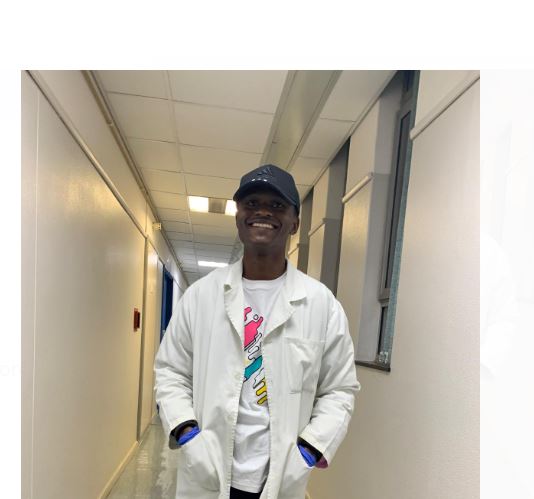
Dr. Femi Olawale, a trailblazing Nigerian researcher with over 12 years of expertise in phyto-medical research, is transforming cancer treatment through his pioneering work on plant-derived nanoparticles and computational drug discovery.
Holding a doctorate in biochemistry from the University of KwaZulu-Natal, South Africa, Olawale combines cutting-edge biochemistry with advanced computational techniques to identify potent natural compounds and develop nanoparticles that specifically target and treat cancer cells, offering a more precise, sustainable, and effective alternative to traditional therapies.
Olawale’s research has earned global recognition. Olawale’s research includes his pioneering work on the plant-based synthesis of silver-selenium bimetallic nanoparticles, further solidifying his position as a leader in nanomedicine. His innovative approach also leverages computational techniques to screen natural compounds, identifying potential candidates for cancer drug discovery. This combination of experimental and computational strategies enables Olawale to accelerate the identification of novel cancer therapies with high precision and efficacy. In 2023, Olawale was honored with the Most Cited Article award in the Journal of Pathophysiology for his co-authored paper on the use of saponin in cancer treatment, further solidifying his impact in the field.
“My research harnesses the incredible potential of plant-derived nanoparticles alongside computational drug discovery to deliver more targeted, less invasive cancer treatments,” Olawale explained. “By improving the precision of drug delivery and identifying potent natural compounds, we aim to minimize side effects and improve patient outcomes.”
Beyond his research, Olawale has made significant contributions to academia, serving as a teaching and research assistant at the University of KwaZulu-Natal and Oklahoma State University, where he mentored over 10 undergraduate students. He has been honored with prestigious fellowships, including the Barbara K. Pass Fellowship, the Oklahoma State University Foundation Distinguished Graduate Fellowship, and the Stephan M. and Kathleen A. Wilson Fellowship.
Olawale’s collaborations with world-renowned scientists, such as Sergey Shityakov from the University of Wuerzburg, Fadaka Adewale of Cincinnati Children’s Hospital Medical Center, and Ademola Adetunji of the Royal Botanic Gardens, Kew, UK, have further propelled his innovative research. He has also contributed as a reviewer for numerous high-impact journals, completing over 40 peer reviews.
“My work focuses on Africa’s rich biodiversity,” Olawale said. “By tapping into indigenous plants and utilizing advanced computational techniques, I hope to unlock new therapies in the fight against cancer while promoting sustainable scientific practices.”
With over 40 peer-reviewed publications, 500 citations, and more than a decade of groundbreaking research, Olawale is reshaping the future of cancer treatment. His work in nanomedicine, plant-based therapies, and computational drug discovery is not only advancing cancer treatment but also offering new, sustainable solutions to global health challenges.
Disclaimer
Comments expressed here do not reflect the opinions of Vanguard newspapers or any employee thereof.