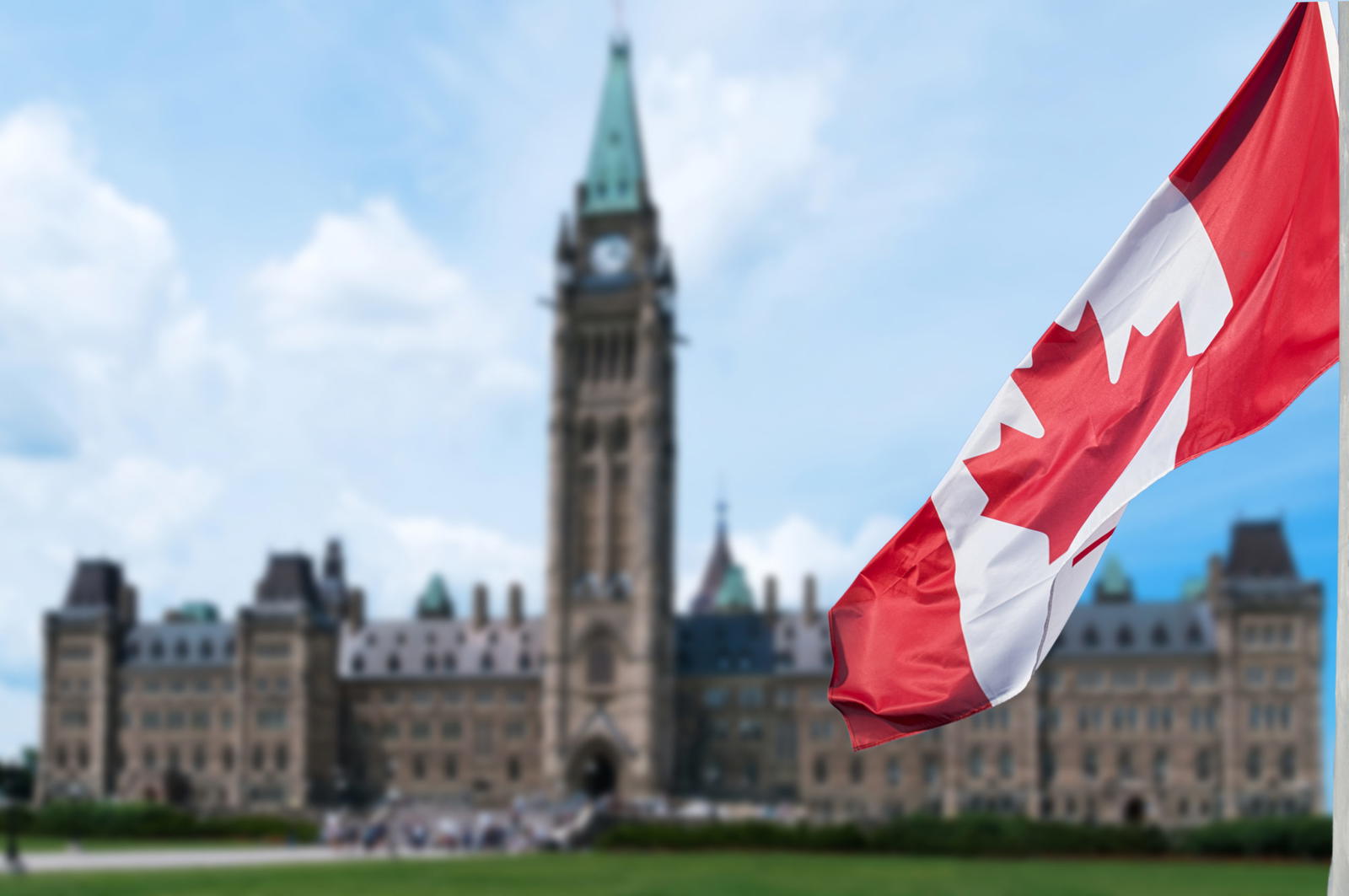
Canada
By Akanni Dorcas
Last year was one of the busiest years for elections with more than 65 countries conducting polls involving about 4.2 billion people—nearly half of the world’s adult population. In many places, voters removed current leaders, creating big changes in countries like the United Kingdom, the United States, Botswana, Japan, and South Korea.
By the end of 2024, over half of the global population had voted in almost 80 elections. These elections often led to major shifts in power. Long-time leaders were replaced, and many political groups lost their strong majorities.
Now, 2025 is set to be another important year for global politics. Elections could bring important changes to leadership and international relations.
Here are 10 elections to watch out for:
Belarus Presidential Election (January 26)
Belarus will hold a presidential election early in the year, but the outcome seems certain. President Alexander Lukashenko, who has been in power since 1994, is running for his seventh term. The 2020 election caused protests over alleged fraud, forcing opposition leader Sviatlana Tsikhanouskaya to flee the country. New rules now stop exiled opposition figures from running, and opposition parties are banned. Lukashenko, supported by Russia, is expected to win again.
Ecuador General Election (February 9)
Ecuador’s young president, Daniel Noboa, will run for reelection after his surprise win in 2023. At 36, he became the youngest leader in the world but now faces tough challenges, including rising crime, energy shortages, and economic problems. His main opponent, Luisa González, is a close ally of former President Rafael Correa. If no one wins a clear majority, a second election will take place in April to decide the winner.
Kosovo Parliamentary Election (February 9)
Kosovo is holding an important election as Prime Minister Albin Kurti’s Self-Determination Party (LVV) completes its first full term. The country faces ongoing tension with Serbia, which does not recognise Kosovo’s independence. The election will decide how Kosovo handles its relationship with Serbia and its future ties with the European Union (EU) and NATO, two key international partners.
German Bundestag Election (February 23)
Germany is holding an early election because its ruling coalition fell apart. The Christian Democrats, led by Friedrich Merz, are leading in polls. Meanwhile, the far-right party Alternative for Germany (AfD) is gaining popularity. Chancellor Olaf Scholz’s Social Democrats are losing support, raising questions about which parties will form the next government and how they will handle Europe’s economic and political challenges.
Australian Parliamentary Elections (By May 17 and September 27)
Australia will have two elections in 2025—one for the Senate and another for the House of Representatives. Prime Minister Anthony Albanese’s Labour Party will try to stay in power but faces competition from the Liberal-National coalition, led by Peter Dutton. Both leaders are under public scrutiny. The elections will test their ability to address important economic and social issues.
Gabon General Election (August)
Gabon is preparing for its first election since a military coup in 2023 ended 56 years of Bongo family rule. A new constitution now limits presidential terms and stops family successions. However, military leader General Brice Oliugi Nguema might run for president. The election will reveal whether Gabon moves toward democracy or stays under military influence.
Bolivia General Election (August 17)
Bolivia’s President Luis Arce will run for reelection as the country faces economic problems and divisions within his party, the Movement for Socialism (MAS). Former President Evo Morales is barred from running but has created further splits in the party. With Arce losing popularity, opposition parties may have a chance to win, but they need to present strong, united plans for Bolivia’s future.
Tanzania General Election (October)
Tanzania’s election is a big test for its democracy. President Samia Suluhu Hassan, who started with reforms, is now being criticised for suppressing opposition leaders like Tundu Lissu. The election will show if Tanzania continues with democratic reforms or moves back toward authoritarian rule.
Canada Federal Election (By October 20)
Prime Minister Justin Trudeau is facing challenges from Conservative leader Pierre Poilievre, who is ahead in polls. Trudeau’s popularity has declined due to debates over immigration and domestic issues. The election, which could happen earlier or later than October 20, will shape Canada’s political future and policy direction.
Honduras General Election (By November)
In Honduras, President Xiomara Castro is under pressure from accusations of corruption and unfulfilled promises. The country’s relationship with the United States is strained, especially with concerns about the deportation of Honduran migrants. This election will decide whether Honduras stays democratic or shifts toward authoritarianism.
Disclaimer
Comments expressed here do not reflect the opinions of Vanguard newspapers or any employee thereof.