By Rita Okoye
In many parts of the world, energy poverty remains a significant barrier to economic development, particularly in underserved rural communities.
In regions like Nigeria and sub-Saharan Africa, millions continue to struggle with limited access to reliable and affordable energy.
This challenge is compounded by the growing issue of food waste, with billions of tons of edible food discarded annually. But what if the solution to both problems lies at the intersection of energy and waste management?
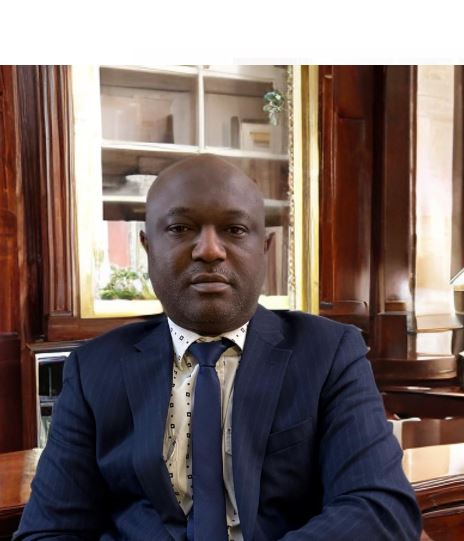
Adekoya Akande, a USA-trained sustainability professional based in Maryland, is exploring how renewable energy technologies, particularly food waste-to-energy systems, can provide a dual solution. His research, including a study on energy poverty in Nigeria’s Ikorodu communities, highlights the urgent need for innovative energy strategies. His findings reveal that limited energy access significantly hinders poverty alleviation efforts, while food waste remains an underutilized resource with transformative potential.
In communities like Ikorodu, energy poverty goes beyond the absence of electricity. It reflects systemic barriers that prevent residents from improving their livelihoods. Insufficient energy infrastructure and the lack of affordable, sustainable solutions force many to rely on costly and environmentally harmful energy sources like kerosene and firewood. Simultaneously, large amounts of food waste accumulate in landfills, exacerbating environmental degradation and contributing to greenhouse gas emissions.
Adekoya advocates for converting food waste into renewable energy using technologies like anaerobic digestion. This process not only addresses the food waste problem but also creates a sustainable energy source to power homes, businesses, and entire communities. His research demonstrates that food waste-to-energy technologies can simultaneously mitigate energy poverty and reduce environmental harm.
Drawing inspiration from successful models in countries like Sweden and Germany, where food waste is transformed into biogas for electricity and heating, Adekoya underscores the feasibility and scalability of such solutions. Similarly, the U.S. has adopted systems that convert food scraps into biofuels. These examples prove that food waste-to-energy technologies can revolutionize communities, providing a sustainable path forward for regions facing interconnected challenges of energy access and waste management.
Adekoya Alex’s research and publications, including “The Sustainability of Food Waste” and “Energy Poverty,” serve as invaluable resources for policymakers, researchers, and non-profit organizations. These works support the UN Sustainable Development Goal 7—ensuring “affordable, reliable, sustainable, and modern energy for all” by 2030—and contribute to the development of policies aimed at driving national progress
Disclaimer
Comments expressed here do not reflect the opinions of Vanguard newspapers or any employee thereof.