By Onyeka Ezike
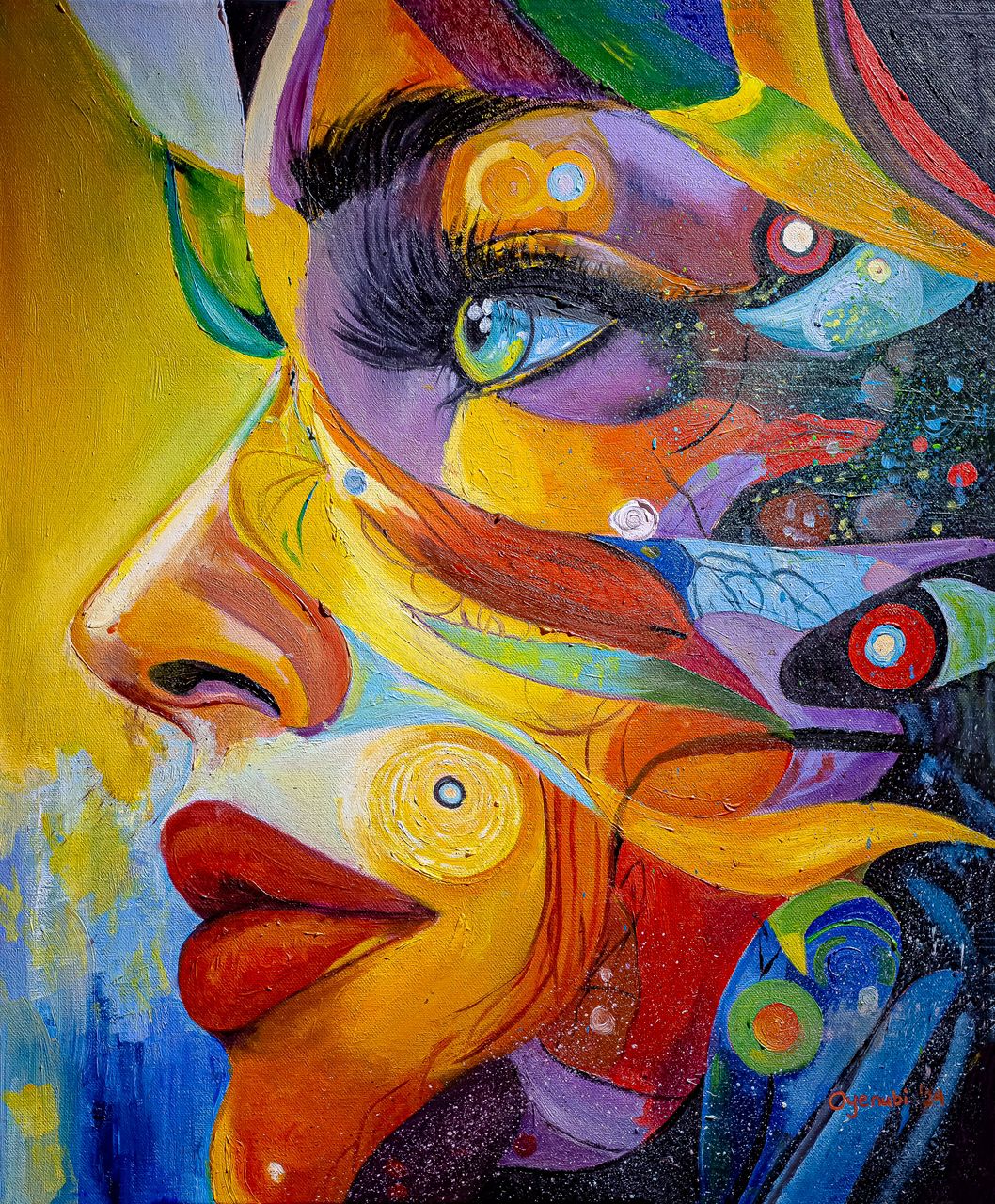
Art is a profound expression of freedom that transcends barriers and speaks directly to the soul. A curated celebration of individuality, emotion, and storytelling, “Art is Freedom” was the theme of a solo exhibition that showcased 25 works by Olawale Oyenubi, which ran from 6-8 December 2024 in Ikoyi, Lagos.
Oyenubi is a petroleum engineer who studied at the Kwame Nkrumah University of Science and Technology, Ghana, and did his postgraduate studies at
Robert Gordon University, Aberdeen, in the United Kingdom. The artist’s brush strokes have been described as musical notes declaring liberation.
The exhibition featured 25 oil paintings. Some of the paintings pairs with original music compositions, inviting viewers to journey through the themes of resilience, identity and transformation. The interplay between vibrant colour, texture and sound seeks to evoke a multisensory experience that resonates on both conscious and subconscious levels.
Speaking, the artist said the exhibition marks a pivotal moment in his artistic journey, a reunion with the land that shaped his identity, vision and passion for storytelling through art after returning to Nigeria from the United Kingdom.
One of the artworks is titled “Lesson by the Show”. The 40×50 inches painting shows a man teaching his son life lessons. It shows the role of a father in the son’s life. The son could be seen listening to the father’s instructions. The father was not reprimanding him. The artwork was inspired by his son.
Another painting at the exhibition was “Onitemi”, 50×60 inches. “Onitemi” is a representation of the artist’s lover, his wife. Adored in a white cloth, signifying purity, the work was inspired by the artist’s wife through her contributions to his career and life journey.
“The exhibition is beyond the artworks on display; it is a call to embrace the artist within us all. It is a celebration of innovation, the pursuit of dreams, and the courage to be unapologetically expressive,” says Oyenubi.
“We are celebrating resilience, a testament to the power of art to bridge distances, and a tribute to the enduring connection between home and heart.
“The title, “Art is Freedom,” reflects the essence of creative expression as a tool for breaking boundaries, be it cultural, emotional, or intellectual.
“The pieces explore themes of belonging, growth, nostalgia, and transformation, rooted in the vibrant cultural tapestry of Nigeria while embracing the broader human experience.”
“Through this collection, I aim to illuminate the limitless possibilities of art as a medium for self-discovery, connection, and empowerment,” the artist said.
One of the artworks also on display was a 50×60 inches canvas painting, depicting the three Hebrew men, Shadrach, Meshach, and Abednego who were thrown into the fiery furnace by King Nebuchadnezzar for refusing to bow to an image.
The artist said: “That fourth man in the fiery was the whole experience, because I did not know how to depict the son of God. While making the painting, a thought came to my head to use anointing oil. That alone makes the artwork outstanding for me.”
Another work was the Hydrocarbon Canvas painting. This 50×60 inches artwork depicts a very colourful, dramatic skylight and dangerous water waves in red colour. The Hydrocarbon artwork represents the artist’s profession. As a petroleum engineer in the production department, he is more concerned with the business’s safety and precautions. Business on the shore is risky.
“I decided to express myself to see what comes out of the journey. Sometimes you need to take a seat back and look from a different perspective — looking through a different set of lenses. I always tried to reassess my artistic journey on canvas.
Another interesting artwork that stood out was the broken flower vessel, mended with gold. This 60×50 inches artwork depicts the Japanese culture. The Kintsugi (A Japanese golden joinery), is also known as Kintsukuroi’s “golden repair”. The work shows the Japanese art of repairing broken pottery by mending the areas of breakage with urushi lacquer dusted or mixed with powdered gold, silver, or platinum,” the artist explained.
Disclaimer
Comments expressed here do not reflect the opinions of Vanguard newspapers or any employee thereof.