By Ayo Onikoyi
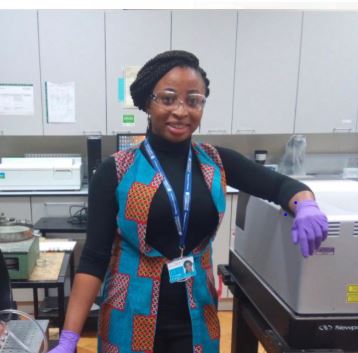
Dr. Chidinma G. Ugwuja, a prominent researcher at the African Centre of Excellence for Water and Environment Research (ACEWATER), has made remarkable strides in addressing one of the most pressing challenges of our time: access to clean and safe drinking water.
Her pioneering study, “Visible-Light-Mediated Photodynamic Water Disinfection @ Bimetallic-Doped Hybrid Clay Nanocomposites,” introduces a novel solution that could revolutionize water treatment systems, particularly in resource-constrained regions.
The Problem: A Global Water Crisis
Access to clean water remains a critical issue worldwide. Millions of people, especially in developing countries, are exposed to contaminated water that carries harmful bacteria like E. coli, a leading cause of waterborne illnesses. The growing prevalence of antibiotic-resistant bacteria exacerbates this challenge, making conventional water treatment methods less effective. For families without access to advanced filtration systems, the health risks are severe, often resulting in preventable illnesses and even fatalities.
The Solution: A Breakthrough in Water Disinfection
Dr. Ugwuja’s research offers a groundbreaking, cost-effective solution. She developed a new class of hybrid clay nanocomposites made from affordable, locally available materials like kaolinite clay and Carica papaya seeds, combined with small amounts of zinc (Zn) and copper (Cu). These materials undergo a special process that transforms them into highly efficient water disinfectants.
What sets these nanocomposites apart is their ability to harness visible light for water disinfection. Under light, the materials trigger a reaction that produces singlet oxygen, a powerful agent that kills bacteria, including antibiotic-resistant strains. Tests show that these nanocomposites can effectively purify water for up to 35 hours without losing their efficiency. Even in the absence of light, the materials continue to disinfect water through other mechanisms like electrostatic interactions and metal toxicity, though at a reduced rate.
The Impact: Healthier Communities and Safer Water
For ordinary people, this research means a significant step toward eradicating waterborne diseases. Families in underserved communities could use these nanocomposites as affordable, easy-to-use water treatment systems. Unlike traditional systems that require electricity or chemical additives, these materials rely on normal visible light, making them ideal for regions with limited resources.
One of the most promising findings from Dr. Ugwuja’s study is that no bacterial regrowth was observed even four days after treatment. This ensures that the water remains safe for consumption over an extended period, addressing one of the biggest limitations of current water treatment methods.
A Global Solution
Dr. Ugwuja’s work is not just a solution for developing nations, it has global implications. Her materials offer a sustainable way to tackle water contamination, even in disaster-stricken areas or regions grappling with aging water infrastructure.
Recognition of Excellence
Vanguard is proud to recognize Dr. Chidinma G. Ugwuja for her exceptional contributions to water treatment science. Her innovative approach not only addresses a critical health challenge but also exemplifies how locally sourced, sustainable materials can drive global change. Her work is a testament to the power of science and innovation in improving lives and protecting the environment.
Dr. Ugwuja’s research holds the promise of a healthier, safer future for millions, making clean water a reality for all.
Disclaimer
Comments expressed here do not reflect the opinions of Vanguard newspapers or any employee thereof.