By Adeola Badru
Researchers from the University of Ibadan have successfully trained 351 healthcare workers in remote consulting practices, in a significant step towards improving healthcare accessibility in Nigeria.
The initiative is particularly focused on reaching marginalised populations in the country.
A co-investigator of the project, Professor Olufunke Fayehun, made the announcement yesterday during a stakeholders meeting titled: “REaCH Worker Training: Upscaling in Ghana and Nigeria.”
She detailed the composition of the training participants, which included 232 pre-service healthcare workers from the Oyo State College of Nursing Sciences and the University of Ibadan College of Medicine, and 119 in-service healthcare workers across 19 primary healthcare facilities in Ibadan.
These facilities encompassed a diverse group of professionals, including 96 community health extension workers, 20 nurses, and 3 midwives.
According to her, the training modules developed under the REaCH initiative have received accreditation for Continuing Professional Development (CPD) from both the Community Health Practitioners Registration Board of Nigeria (CHPRBN) and the Medical and Dental Council of Nigeria (MDCAN).
She said the accreditation empowers healthcare workers with modern skills for deploying remote consulting, thereby enhancing health service delivery in Nigeria.
“The primary healthcare centers benefiting from this initiative include well-known facilities such as Akinyele PHC, Shasha PHC, and Wakajaye PHC, among others,” she said.
Professor Fayehun emphasised that the REaCH training is designed to support Universal Health Coverage (UHC) goals, ensuring that quality healthcare services are available to all individuals when and where they are needed, without financial burden, adding that the integration of remote consulting into healthcare practice is intended to facilitate the process.
“This training is part of a broader initiative funded by a substantial grant from the United Kingdom Global Health Partnerships, formerly known as THET.”
Professor Fayehun pointed out that improved healthcare quality can significantly reduce premature deaths and associated costs for patients with chronic conditions, while also enabling timely interactions between patients and healthcare providers.
Highlighting the importance of well-trained healthcare workers in achieving effective primary health care, Professor Fayehun noted that the REaCH project involves collaboration among 30 researchers from five universities in the UK, Nigeria, and Ghana, including Kings College London, the University of Warwick, Bayero University Kano, and the University of Ghana.
“In resource-constrained settings like Nigeria, remote care delivery through phone, video, and text consultations can effectively bridge the gap in healthcare access,” she emphasised.
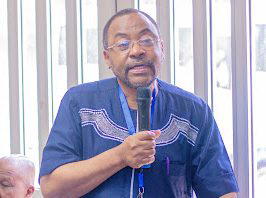
Similarly, lead investigator, Professor Akinyinka Omigbodun, explained that the programme was designed to provide care for patients with specific conditions without requiring them to physically visit healthcare facilities.
He emphasised the convenience of remote healthcare, which not only reduces the need for transportation but also helps patients adhere to their treatment plans.
Professor Omigbodun stated, “Patients can communicate with healthcare providers and receive necessary care without the burden of travel costs. In some cases, they can even arrange for someone to pick up prescriptions on their behalf.”
”This convenience is essential for expanding access to healthcare and meeting our UHC goals. Our current phase focuses on equipping more healthcare workers with the skills needed to deliver safe and effective remote consulting to patients.”
“This initiative represents a transformative approach to healthcare delivery, with the potential to greatly enhance access to essential services for underserved communities in Nigeria,” he pointed out.
Disclaimer
Comments expressed here do not reflect the opinions of Vanguard newspapers or any employee thereof.