By Rita Okoye
Breast cancer remains one of the most critical health challenges for women in Nigeria, especially in rural and underserved areas.
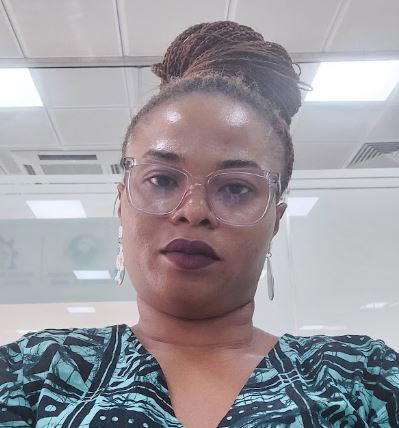
Uzoamaka Okwor, a dedicated public health nurse and researcher, has focused her career on improving health outcomes for hard-to-reach and vulnerable populations, particularly in North-Central Nigeria.
Her work in community-based health research has earned her recognition, particularly for her strong commitment to addressing cancer.
For Uzoamaka, public health is not just a profession—it’s a vocation. “Every individual, regardless of their location or socio-economic status, deserves access to life-saving healthcare services,” she says. “Diseases like breast cancer shouldn’t be a death sentence simply because of where a person lives.”
As a key member of the International Research Center of Excellence at the Institute of Human Virology Nigeria, Uzoamaka led the successful completion of the BRIDGE study, a pioneering project that has significantly improved breast cancer early detection and referral in North-Central Nigeria. The study, funded by the Conquer Cancer Foundation and the American Society for Clinical Oncology, achieved its goal of reducing delays between the recognition of breast cancer symptoms and formal diagnosis by using a mobile health application (m-Health app). This app empowered community health workers (CHWs) to conduct clinical breast exams, educate women on symptoms, and facilitate timely referrals to the University of Abuja Teaching Hospital, ensuring that women in rural and underserved areas received the care they needed promptly.
The impact of the BRIDGE study has been profound. Not only has it increased awareness about breast cancer in the Gwagwalada communities—including Dobi PHC, Paiko PHC, Dukpa PHC, Old Kutunku PHC, Gwako PHC, and Township Hall—but it has also significantly reduced the time from symptom recognition to diagnosis. The study has directly contributed to saving lives by ensuring earlier detection, which is critical for improving breast cancer survival rates.
Uzoamaka’s leadership ensured the training of community health workers and nurses, and through close collaboration with seasoned oncologists at the University of Abuja Teaching Hospital, the study achieved a seamless referral process for women in need of further care. Buses provided by the Institute of Human Virology Nigeria (IHVN) helped transport women from remote areas, removing a critical barrier to accessing healthcare.
Following the success of the BRIDGE study, its innovative approach has inspired several ongoing studies aimed at scaling this model to other regions and continuing to refine the use of mobile health technology for cancer detection. The legacy of the BRIDGE study continues to influence healthcare delivery in resource-limited settings, showing that with the right tools and partnerships, barriers to early breast cancer detection can be overcome.
“Early detection saves lives,” Uzoamaka emphasizes. “By catching breast cancer early, we’ve shown that we can improve survival rates and significantly reduce the burden on our healthcare system.”
Uzoamaka Okwor has demonstrated remarkable courage, dedication, passion, and love in her work. She has become a symbol of excellence amidst adversity, proving that meaningful change can happen even in the most challenging circumstances. Her steadfast commitment to improving the lives of others through public health is an inspiration to Nigerians, showing that service, driven by purpose rather than reward, can leave a lasting impact on communities in need. This passionate public health nurse who is now furthering her training at the Tampere University in Finland, shows that there is reward in service. Nigeria see you and we are proud.
Disclaimer
Comments expressed here do not reflect the opinions of Vanguard newspapers or any employee thereof.