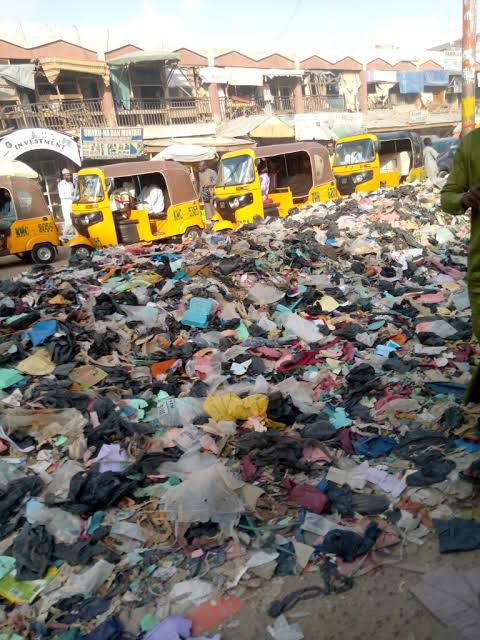
“…….. In the next few weeks all the dumps will be cleared, all our streets will be clean, all our drainages will be desilted and a sustainable system of maintaining the cleanness and clearing the dumps will be in place. To begin with, starting from next month, all vehicles on our roads across the state are required to have dustbin in them, and all businesses – including shops and stalls – should also have dustbin for collecting and proper disposal of wastes and refuse.”
In his inaugural address on the 29th of May 2023, Governor Abba Kabir Yusuf set a resolute tone for a cleaner Kano, promising cleared dumps, spotless streets, and cleaned drainages within weeks. Controlling litter and dirt in our environment is not merely an aesthetic concern. Beyond the visible improvements, it is about addressing the profound impact of waste on our planet. Waste, when not properly managed, significantly contributes to global warming. Littering and clogged drainages exacerbate the effects of climate change, leading to increased incidents of flooding, displacement, and imposing substantial impacts on agriculture and various other sectors.
While the actions to clean Kano have been commendable, to truly make a lasting impact, this is a call for the administration to take the climate crisis seriously. Climate change is a global concern, and Governor Abba Kabir Yusuf’s administration must commit itself to aligning with policies and solutions for climate action, encompassing Adaptation, Mitigation, and Resilience. Some Priority steps the government can follow to promote Climate Action in Kano include;
- Having A Comprehensive Climate Action Plan
Kano’s journey towards a resilient climate future should start with a roadmap. There is a need for this administration to work with a comprehensive strategy that not only acknowledges the urgency of addressing climate change but also outlines SMART goals and actions to mitigate its impacts. This plan should work with all stakeholders, including government agencies, local communities, businesses, and non-profit organizations, to ensure a collaborative and inclusive approach. This roadmap should be developed after a thorough assessment of Kano’s current vulnerabilities to climate change. This involves analyzing our region’s unique environmental characteristics, identifying key climate risks, and understanding the socio-economic factors that contribute to our resilience or vulnerability.
- Promoting Enabling Climate Policies
Strong policies are the mortar that binds our vision together. It is regulation that will drive behavioural change and not the other way around. The government needs to enact policies that will Incentivize renewables; providing subsidies and tax breaks for businesses and individuals adopting clean energy solutions, Regulating waste disposal, Investing in green infrastructure and allocating funds for renewable energy installations, green spaces development, and sustainable transportation projects. All project and initiatives of the government and non government sector shoukd keep to set climate principles. With the right policies, Kano will become a fertile ground for climate action, attracting investment and accelerating our progress.
- Creating a Supportive and Enabling Environment that promotes Climate-Smart Solutions and investment
This administration must actively cultivate an environment that fosters the advancement of climate-smart solutions, leveraging cutting-edge technology to drive innovation. To achieve this, the region should prioritize the establishment of a transparent and investor-friendly framework, encouraging the development and implementation of innovative climate solutions, including the integration of state-of-the-art tech solutions. Additionally, Kano ought to allocate financial resources strategically to support initiatives aimed at mitigating and adapting to climate change, incorporating the latest advancements in sustainable technologies. Moreover, Kano must evolve into a collaborative space where governmental bodies, businesses, and citizens engage in concerted efforts, fostering partnerships and collective action, leveraging the power of technology toward a sustainable and greener future.
- Promoting Climate-Smart Agriculture
“Agriculture is the first thing that welcomes you to Kano state.” Kano has long served as a significant producer, sustaining generations through agriculture. However, our agricultural practices must now evolve to become a resilient force against climate challenges. It is imperative for the government to actively promote climate-smart agriculture practices that enhance sustainability, foster innovation, and ensure the long-term viability of our agricultural sector for future generations.
- Promoting Climate Education for the younger generation
While infrastructure, policy, and technology are crucial to tackling climate change, Kano’s journey towards a sustainable future hinges on equipping the next generation with the knowledge and passion to become agents of change. This necessitates integrating comprehensive climate education into the curriculum, nurturing youth leadership, connecting learning to action, and bridging traditional wisdom with modern solutions. By empowering our youth through education, we sow the seeds of a society that is informed, innovative, and actively engaged in building a resilient and thriving Kano in the face of climate challenges.
Kano can emerge as a model for effective climate governance, contributing not only to local well-being but also to the global effort in combating climate change. Climate action must be a key priority for this government, starting with keeping the environmental pledges that Governor Abba Kabir Yusuf made in his inaugural speech. The time to act is now, and by fulfilling these promises and doing more, Kano can emerge as a beacon of environmental responsibility and resilience in the face of climate challenges.
This is a call from Eric Andrew, Team Lead @AgrofixiNG, an organization committed to agricultural and climate sustainability in Africa.
Disclaimer
Comments expressed here do not reflect the opinions of Vanguard newspapers or any employee thereof.