By Ben Amushie, edited by Benjamin Njoku
In the hushed embrace of dawn, as the first light kissed the world awake, Majek Fashek’s melodies gently tiptoed into my consciousness.
His soulful voice, now a celestial whisper, lingered in the quiet spaces of my morning mind. A humble plea escaped my lips, carried by the rhythm of his timeless lyrics, a request to the Almighty to grace us with the soothing symphony of rain.
In that sacred moment, between dreams and reality, I found solace in the harmonious union of nature’s cadence and the echoes of the legendary artist’s spirit.
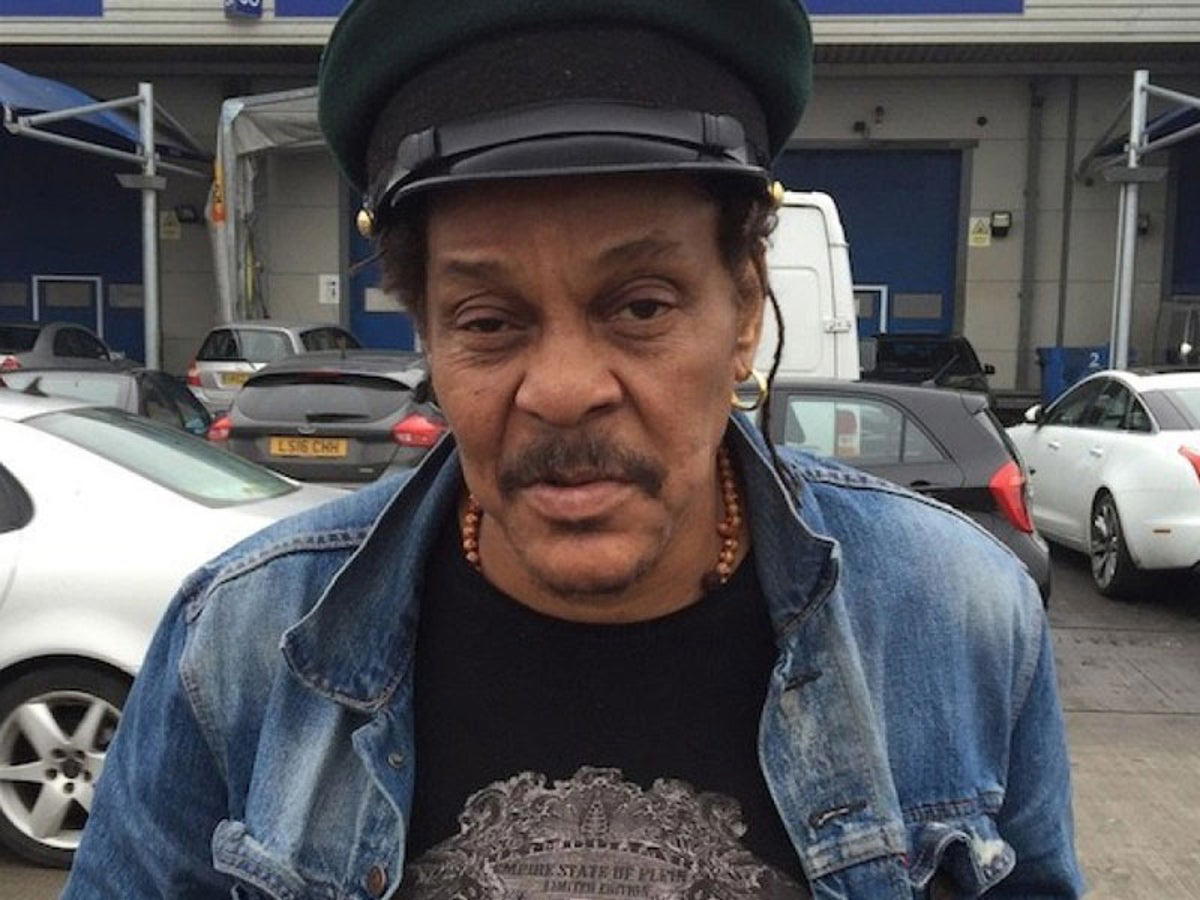
Born Majekodunmi Fasheke, on March 6,1963, but popularly known to most around the world as Majek Fashek, was a musical maestro whose harmonies transcended borders and resonated through the very soul of Nigeria, left an indelible mark on the scenario of African music. As I lay quietly reminiscing this gloomy morn, reflecting upon the life and legacy of this unsung hero, who quietly went away to the Lord in 2020, I found myself immersed in the rhythmic cadence of his melodies, a testament to his profound impact on the world of music.
Fashek was born in Benin City to an Edo mother and an Ijesha father, but identified mainly with his Benin roots. In the labyrinth of Nigeria’s musical landscape, Majek Fashek, just like Ras Kimono, and the insurmountable Fela Anikulapo Kuti, emerged as a trailblazer, a virtuoso, whose creative genius laid the foundation for what would later burgeon into the globally acclaimed Afro-beat movement. His artistry was a fusion of traditional Nigerian rhythms, reggae vibes, and an ineffable spirit that spoke to the collective consciousness of a nation yearning for both identity and unity.
From the early 1990’s echoes of his guitar strings, the use of the iconic Yoruba talking drums to the powerful resonance of his voice, Majek Fashek’s music was a celebration of life, love, and the rich cultural mosaic of Nigeria.
In the poly-rhythmic beats, he sculpted a sound that not only entertained but also served as a vessel for social commentary when he wrote: “Since the colonial masters gave African leaders freedom, we still abuse little children. It’s a shame for our leaders. For there will be no future for Africa until they respect the dignity of the little children. I say look around the street tell me what u see Aje kpako.” From “I come from the Ghetto, by Majek Fashek”.
“There’s too much suffering. There’s too much hatred There’s too much suffering inna Babylon.” From “Hey Rastaman, by Majek Fashek.”
His lyrics were a poetic narrative, weaving tales of struggle, hope, and resilience, echoing the collective heartbeat of a nation. Majek Fashek’s contribution to the genesis of Afro-beat can not be overstated. He was a sonic architect, constructing bridges between diverse genres and creating a musical language that spoke to the heart of a people. In “Religion is Politics” for instance, he takes a high ground not admitted by many, and in doing so, he paved the way for future generations of artists to explore the boundless possibilities of their cultural heritage.
That gives some Afro-beat icons like Femi Kuti, with “Look around”, 2Face with “One Love”, and Fatz with “Yakubu”, just to name a few, the foundation to express themselves artistically, to expose the ills of the country Nigeria, through their lyrics. Beyond the confines of the stage, Majek Fashek was a cultural ambassador, using his music as a vehicle for social change.
His unwavering commitment to advocating for justice and peace earned him the admiration of fans worldwide. Making him one of the first Nigerian artists to make an unprecedented debut on David Letterman show in 1992 in the US. Through songs like “Send Down the Rain” and “So Long Too Long,” he became a voice for the voiceless, a troubadour of the oppressed.
“The sky look misty and cloudyLooks like rain’s gonna fall today This morning I have been soaked in mercy, waiting for the rain to drop the water LordOh Lord ye…Some are hungry men And I don’t wanna be angry Send down the rainwater up my seed ye…Send down the rain”. From “Send Down the Rain, by Majek Fashek” As I herein implore you to remember this musical luminary, please do not see it as the end of a journey but a celebration of the enduring spirit of Majek Fashek.
His legacy lives on in the hearts of those of us who were touched by his music, in the vibrant rhythms that continue to echo through Nigeria’s streets, and in the global phenomenon that is Afro-beat. In the grand tapestry of Nigerian music, Majek Fashek remains a singular thread, weaving through time and space, connecting past, present, and future. His melodies are an anthem of resilience, a testament to the transformative power of African music.
Majek Fashek, the unsung hero, the pioneer, and the eternal maestro of Afro-beat, Fashek died in his sleep on 1 June 2020 in New York City at a tender age of 57, leaves behind a legacy that transcends the boundaries of sound and time. Unfortunately, we let him extinguish in penury. His last days were marred by drug use. We let him down when he cried out for help, Nigeria stood and did nothing.
Now, here I am, crying and blaming myself for not helping. Truth is that I couldn’t at the time. I am not writing this piece to redeem myself, but to let the world know that before Davidos and Wizkids, before Remas and the Tiwa Savages of our time, there was once a pillar of Nigerian music by the name, Majek Fashek.
*Ben Eze Amushie is a US-based Nigerian playwright and novelist.
Disclaimer
Comments expressed here do not reflect the opinions of Vanguard newspapers or any employee thereof.