By Chukwuma Ajakah
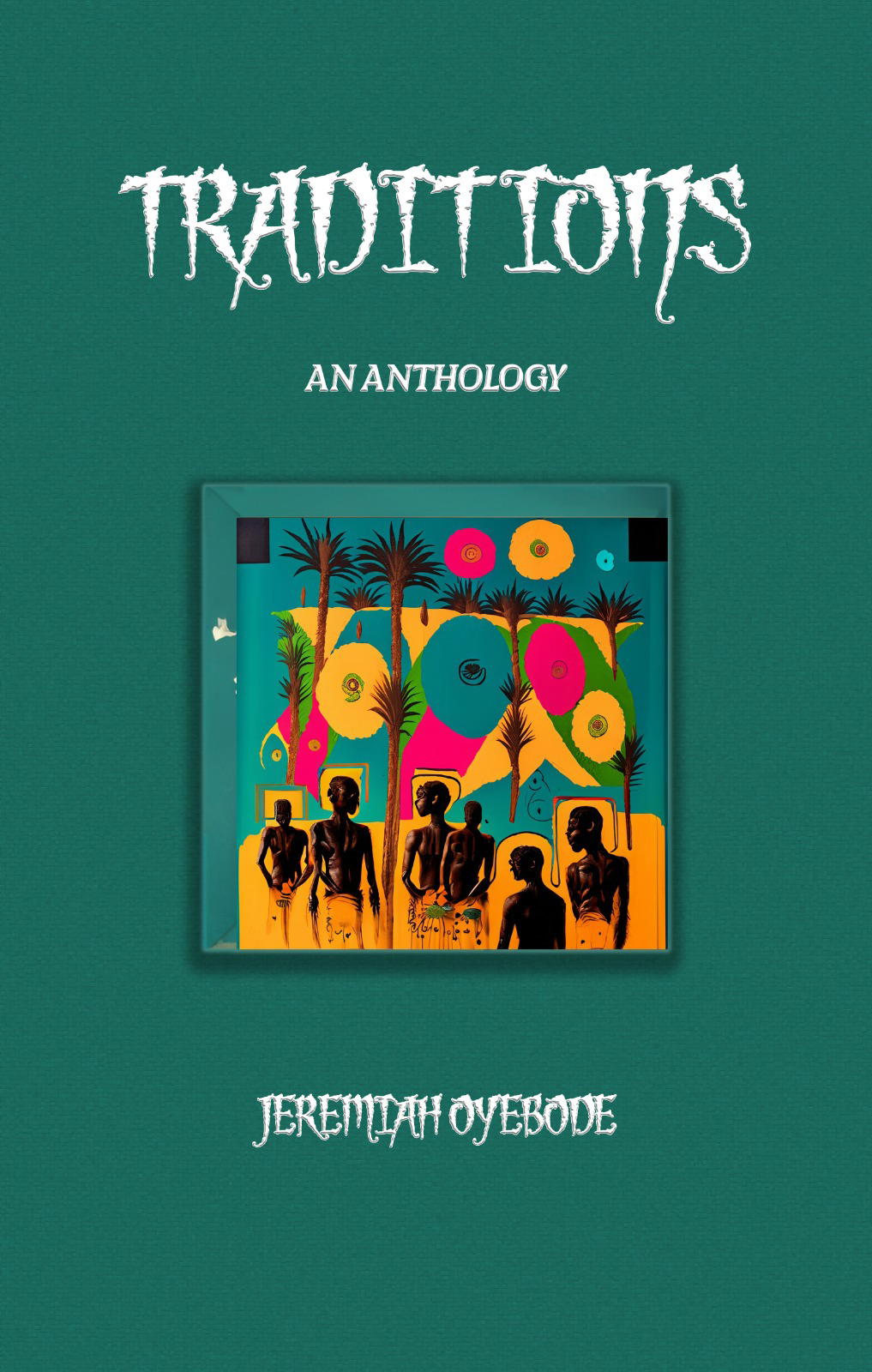
In his forthcoming book titled “Traditions: An Anthology”, Nigerian writer, Jeremiah Oyebode explores the relevance of certain basic tenets of parenting to the life of an individual, using fictive personalities that mirror divergent character traits in our contemporary society.
The anthology is a 54-page collection of short stories that features eight independent, but thematically related didactic narratives such as Traditions, Fruit of Greed, Thawed Heart, Like Minds Conquer All, The Price of Time, Crossing the Rubicon, Same Cloth, Different Colors, and Conquer Your Fears.
“Traditions” reflects certain timeless lessons embedded in the cultural nuances and value system of the society that influence the lifestyle of individual characters. Using the family unit as a microcosm of the larger society, the author presents narratives that reinforce the indispensability of parental roles in nurturing responsible citizens and the need for each child to adhere to positive family traditions.
As revealed in the anthology, well-behaved and cultured characters embrace the wise counseling of their parents while the disobedient ones disregard parental guidance, and fiercely rebel against set societal norms. Those who align with ideal principles of success turnout successful while those that do otherwise end up in regrets.
Martins Ajibo, the protagonist in the title story, typifies such non-conformists. His role underscores the dangers inherent in overt materialistic tendencies and the quick success syndrome, plaguing many youths. Portrayed as a flat character, Martins remains unaffected from the beginning to the end of the story, failing to align with the disciplined pattern his parents, Mr and Mrs Wilson Ajibo plan for him.
Martin’s story, as captured in the following excerpt ends on a regrettable note: “One month later, Martins, now sitting in prison wallowing in regrets and awaiting his trial, reminisced over the words of his parents and wept as he remembered how he had failed to follow his father’s advice of embracing honest labour, hard work, and keeping to the good values and traditions of the family.”
Similarly, the second story, Fruit of Greed, depicts the unenviable fate of Amara, a young overly ambitious lady. In the story, the heroine is presented with a lifetime opportunity to change the life of her entire community as she discovers a hidden cave laden with treasures. Her father advises that they consult a professor resident in the village for his expert opinion. But, Amara would have none of that because she wants the entire fortune for only herself and family while the village remains impoverished. Instead of the professor, she opts for a strange shopkeeper from the town who turns out to be a scammer. The con-man cashes in on the protagonist’s greedy disposition and packs a truckload of the artifacts for free, leaving her shame-faced and heartbroken.
The author employs diverse narrative devices in presenting the messages embedded in the stories, entrenching contemporary issues that resonate with present-day Nigerian families such as financial difficulties in sustaining the education of children as instantiated in The Prize of Time. The Prize of Time features a dynamic and round character, Bola and his supposed friend, Jeremy whose philosophy of life drastically differs from that of Bola. While Bola invests time to develop himself Jeremy prefers to live in pleasure on the fast lane of life according to his own family’s worldview. Bola wades through many problems, including delayed schooling occasioned by his father’s job loss, to become very successful. Ironically, his antagonist, Jeremy despite his privileged family background ends up dismally.
The author also explores themes of dishonesty, jealousy, betrayal of trust, and forgiveness in “Thawed Heart” which is embedded with lots of moral lessons on friendship. Thawed Heart features Stephanie Amadi, a good-natured and industrious girl who overcomes numerous daunting obstacles to fend for herself. She successfully starts a business while in school, but innocuously takes in Wanda, a treacherous friend who almost ruins her life and enterprise to satiate her envious desires.
The fight against corruption forms the central theme of “Crossing the Rubicon” which decries massive corruption in the civil service where some persons in privileged positions pilfer and embezzle public funds for their selfish ends, leaving retirees and other low-income earners in penury. Samuel, the protagonist in “Crossing the Rubicon”, happens to be an incorruptible agent of change. On being promoted to the senior cadre in the ministry, he refuses to be lured into the massive fraudulent network and instead exposes the syndicate to face the wrath of the law.
Besides the relevance of the stories to socio-cultural and economic realities in present-day Nigerian society where the setting is based, the language of anthology is relatively simple, making its rich messages accessible to an average reader.
Disclaimer
Comments expressed here do not reflect the opinions of Vanguard newspapers or any employee thereof.