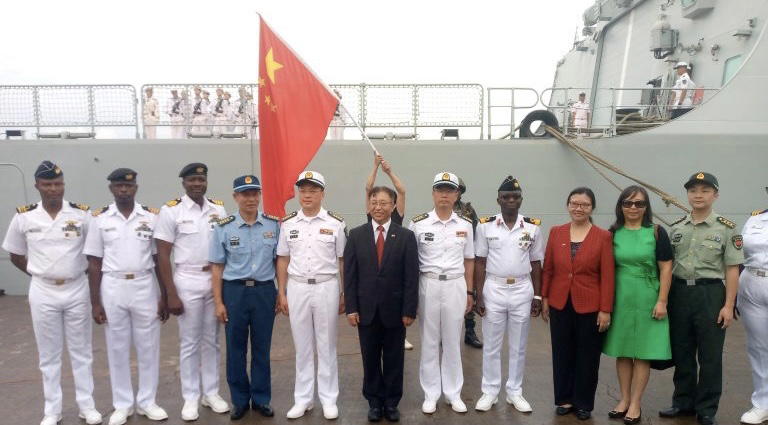
In recent years, the Chinese Navy’s increasing presence in African nations has raised eyebrows and spurred curiosity about its true motivations. These tours, involving various warships, have taken place in several African countries, prompting questions about China’s diplomatic objectives and their underlying impact on these nations.
African countries visited by the Chinese Navy’s warships include but are not limited to Djibouti, Tanzania, Sierra Leone, Ghana, Cameroon, Mozambique and Nigeria. These voyages have been largely characterised by the presence of China’s advanced naval vessels, including destroyers, frigates, and auxiliaries. This conspicuous display of military power has prompted concerns among regional powers and Western nations who closely monitor China’s maritime expansion.
The Chinese government claims that these naval tours serve as a demonstration of goodwill, as well as fostering cooperation and exchange between nations. It states that the visits aim to enhance maritime security, combat piracy, and support peacekeeping efforts in Africa. China refers to its growing naval clout as a means to contribute to global safety, which it argues contributes to shared prosperity.
However, skepticism surrounds China’s stated intentions. Many experts believe that the primary motivation behind these tours is to establish strategic footholds and further Chinese economic and political interests in Africa. The visits are perceived by some as a part of China’s broader agenda, which involve securing access to vital resources, expanding its trade routes, and furthering its geopolitical influence in the continent.
Another cynical viewpoint holds that China, rather than engaging in a bilateral mission, is intentionally attempting to intimidate African nations that are heavily indebted to them. Being the largest creditor to various African countries, China appears to leverage its financial influence to advance its geopolitical agenda. The economic debt owed to China by these nations often arises from infrastructural projects financed by Chinese banks or loans. This creates a power imbalance, where China can exercise significant control over the debtor countries, and hence, influence their political and military affairs.
The details of the indebtedness of African countries reveal the complex nature of these financial arrangements. Several countries, including Djibouti, Zambia, and Mozambique, have faced challenges in repaying their debts to China. This has resulted in instances where China has gained control over strategic assets like ports and railways as collateral, raising concerns about hidden motives and potential military implications.
The Chinese navy’s stopovers in Ghana and Nigeria caused considerable tension because of the two Anglophone countries’ debt stocks to China and the mandarin nation’s readiness to seize national assets of defaulters. Our economic, if not political independence are at stake as a continent. We must look inwards and promote intra-continental trade through the African Continental Free Trade Agreement, AfCFTA, and save ourselves from snooping foreign creditor nations.
Disclaimer
Comments expressed here do not reflect the opinions of Vanguard newspapers or any employee thereof.