By Efosa Taiwo
We have seen the ‘Hand of God’ punch home a goal, we have seen Barcelona scoop six trophies in a year, we have seen Croatia sneak their way up to the FIFA World Cup final, yet we are on cusp of bearing witness to another footballing wonder largely unforeseen some six months back.
Liken it to a skilled ‘thieving’ at the odd hours of the night if you may, Arsenal practically played a fast one on us all, and seem to be getting away with it. Hitherto, perhaps, we took them with kid gloves and happen on their ambition rather too late, but the last few weeks have seen pitfalls, booby traps and snares put their way in a test of their mettle. And in all, they have survived; wait for it, in an un-Arsenal manner.
Now, virtually all belts are fastened, and on edge to witness history reincarnate after a 19-year break. The biggest winner, if things go to plan, will undeniably be that Arsenal fan who has been starved for far too long the glee and pride that come from having your favorite club lay claim to a ‘major’ championship title.
But deliberately pausing all the fantasies, reveries and side-stories for the while, what magic did Mikel Arteta whip up to transmute a flailing Arsenal side, that flapped their way to a fifth spot last season, to a ‘rocketing’ matchless Arsenal, blowing teams away in the EPL so far?
1. Winning Mentality
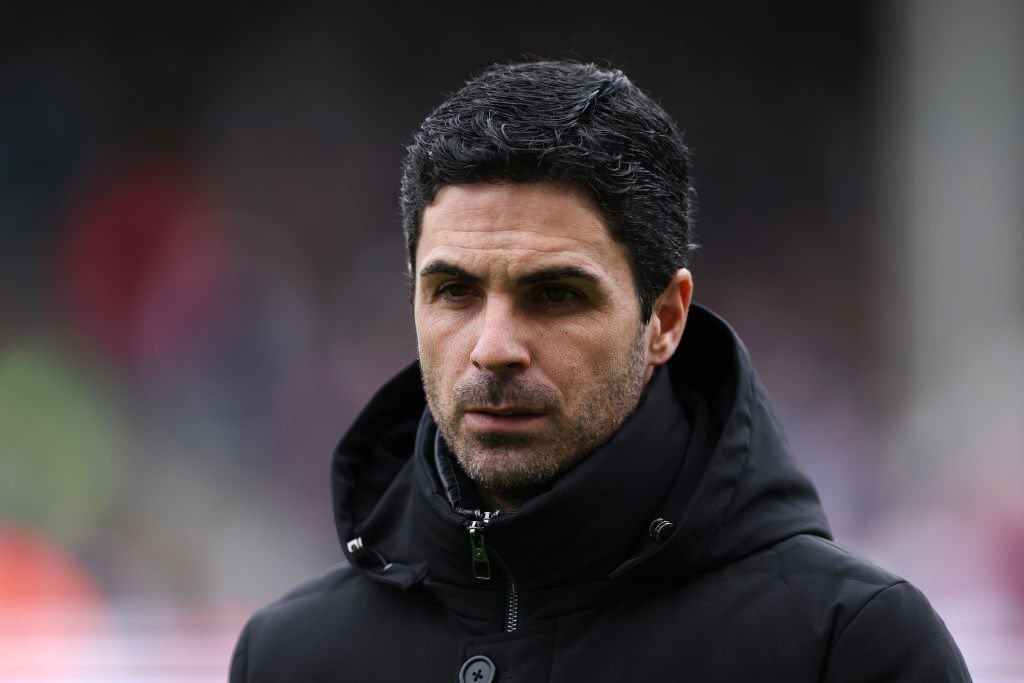
Whether or not the 2022/23 Premier League crown gets copped by the Gunners, the face of this monumental revolution sweeping through North London will be that of Mikel Arteta.
Football pundits, Arsenal legends and even the current crop of Arsenal players, who have been privy to the inner workings in the club, have ceased not to acknowledge and applaud the brilliance and bravery of the Spaniard telling on the long-sought-after resurrection of the Arsenal supremacy.
“I would say you need to identify the values of the club and I personally think that Mikel Arteta was very conscious of the values of the club because he’s been educated as well at Arsenal, he was captain of my teams and he wanted to restore values of the club,” the legendary former Gunners boss, Arsene Wenger told Sky Sports in September.
“I was lucky enough to be at the training ground recently. Everything has changed so much, it feels like the manager of the training ground is 95 per cent Mikel who has changed the whole thing,” Cesc Fabregas told Sky Sports.
“Yes, we are here to stay. It is important to say we have a team. Arsenal fans have been waiting for a team to compete. Not one or two players, we have a squad,” Thierry Henry said.
“He played for the club, he captained the club, so he knows how it works,” David Seaman told the Chronicles of a Gonner podcast.
With slightly over three years on the job, it is unmistakable the unprecedented winning mentality Arteta has successfully installed in the operation of the current Arsenal team.
Lethargy, indiscipline, indifference that were common among Arsenal players in the past have been replaced by drive, discipline and loyalty as found among the present crop of players. You see it in the way they celebrate each goal, you see it in the spirit at which they come out of the dugout, you see it in their resilience to fight back and win games, you see it in their communication off and on the field; you just know this mentality is different!
It was said that Arteta made a series of seemingly minor yet significant changes in and around London Colney – Arsenal training ground – that have all contributed to the improved atmosphere at the club.
In the training ground, the refurbishments have included motivational slogans and quotes from Arsene Wenger. These, coupled with him moving his office closer to the rest of the analyst team and coaches where he has a table outside his office for meetings, has created a more communal feel.
Arteta is also a stickler for punctuality, and will not tolerate any form of indiscipline from his players or backroom staff in respect to this. This was one of the reasons he had a fallout with Pierre-Emerick Aubameyang which eventually led to the Gabonese striker’s exit from the club. His players know too well not to compromise on non-negotiables such as this and that has gone a long way to imbue discipline in the squad.
While he could be tall on rules, Arteta surely knows where to draw the line and allow for some ‘soft’ lifestyles. It is common to find Arsenal players now making efforts to celebrate events like birthdays, with cakes and presents. The team also make it a tradition to have lunch together on set days, fostering tighter bond and a warm atmosphere for everyone.
A testament to how far these changes have impacted the Arsenal squad is evident in the harmony within the team, the buzz of the fans in and around the stadium, not to mention, the rapport among coaching staff. Finally, it can be said that there is togetherness at the Emirates, and a culture of excellence vacant in previous Arsenal teams.
2. Key Summer Signings, Important Winter Additions
To his credit, Arteta has, once again, proven that a club is as good as their operations in the transfer market. In other words, who you bring in, who you take out determine a lot.
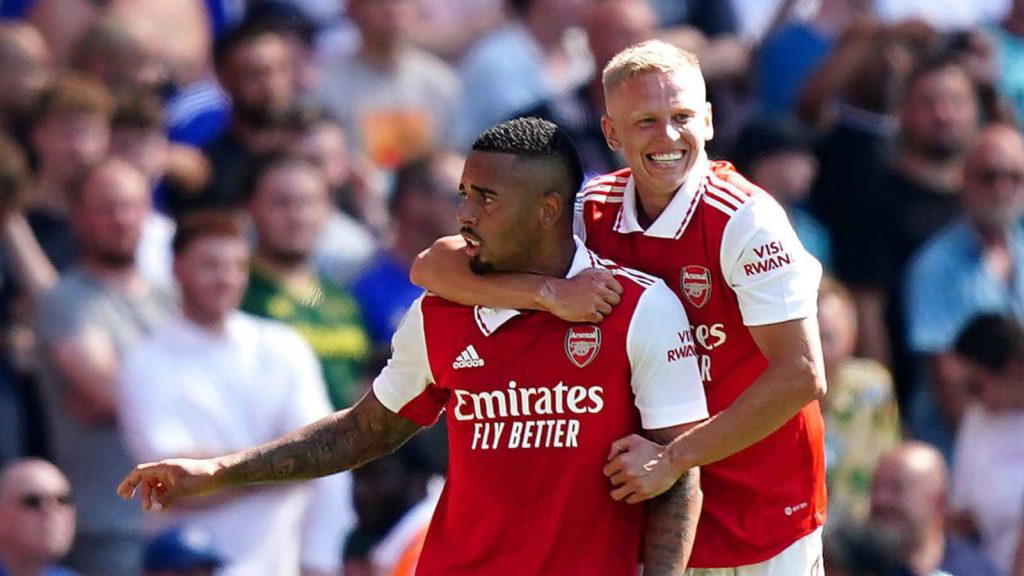
Oleksandr Zinchenko, Gabriel Jesus and Fabio Viera were brought in the summer, and swiftly hit the ground running symbolic of how deliberate their signing were courtesy of Arteta’s shrewdness.
Gabriel Jesus, though had a smooth start-to-life at Arsenal truncated by a knee injury in November, has been one important player for the Gunners since joining them in the summer. Prior to his injury, the Brazillian netted 12 times in 23 matches for the North London side, and contributed massively to Arsenal’s solid start in the first half of the league.
Apparently, when Alexandr Lacazette left, you could not have asked for a better replacement than Gabriel Jesus, in understanding what Arsenal needed in attack and beyond attack from a striker. Jesus perfectly fit into that bill with his dynamism upfront, ability to press high-up the pitch and run at defenders on end.
Outside the pitch of play, Jesus’ character is highly rated in the dressing room, and though he is not one of the captains, his infectious winning spirit and expansive experience playing the game makes him a leader in a team predominated by young players.
Zinchenko, similar to Jesus, was a familiar face during Arteta’s coaching stint at Manchester City. It is not far-fetched, having witnessed how tactically and technically Arteta has deployed the Ukrainian, to not think the manager already had a script on how Zinchenko will fit into his squad prior to his arrival. For many, the Ukrainian plays as a left wing back for Arsenal; but his role, actually, far outstrips that as he sometimes inverts from full-back to join Thomas Partey in creating a double pivot when Arsenal are on a sustained period of possession. This scarce ability of his makes Arsenal unpredictable as Granit Xhaka is relieved of his mini-defensive duties to take on a more offensive role, consequently contributing to more bodies forward for the Gunners.
It is also fair to highlight his attacking impacts on the team as he sometimes sojourns to provide support for Martinelli down the left flank, sending in some dangerous inswingers for bodies in the box. All these coming from one player more than underlines his grandness in the team.
Fabio Viera, though has not broken into the first team no thanks to the unplayable Martin Odegaard, is a joker Arteta can always count on as he has proven so far this season. The Italian possesses priceless skills for a midfielder of his age such as composure, vision, pace, dribbling abilities, and the best part, a knack for goals and assists – evident in his two goals and three assists despite the sparse number of minutes chalked up so far.
Then came January, and Arteta displayed perspicacity in understanding that this is where the journey demands depth more than drive. He saw the injuries coming, he saw the traffic of games coming, he saw fatigue coming, and knew that he needed to retool and refuel. Hence, he waded into the market and got not just any player, but required legs to add depth to the three outfield departments in the team.
The Spanish gaffer got a dynamic winger in Leandro Trossard, acquired a versatile yet experienced midfielder in Jorginho and then topped it off with a Jakub Kiwior in defence. What does that mean: wherever the injuries or fatigue is coming from, he has a pool to run to.
February and March, thus far, have ratified to him that he made such a canny decision to have brought in those significant additions to the squad as not only Trossard has settled in crisply at the club, Jorginho has a three-point worth of goal to his credit, and Kiwior is fit enough to be counted on when things go awry at the back.
3. Defensive Improvements
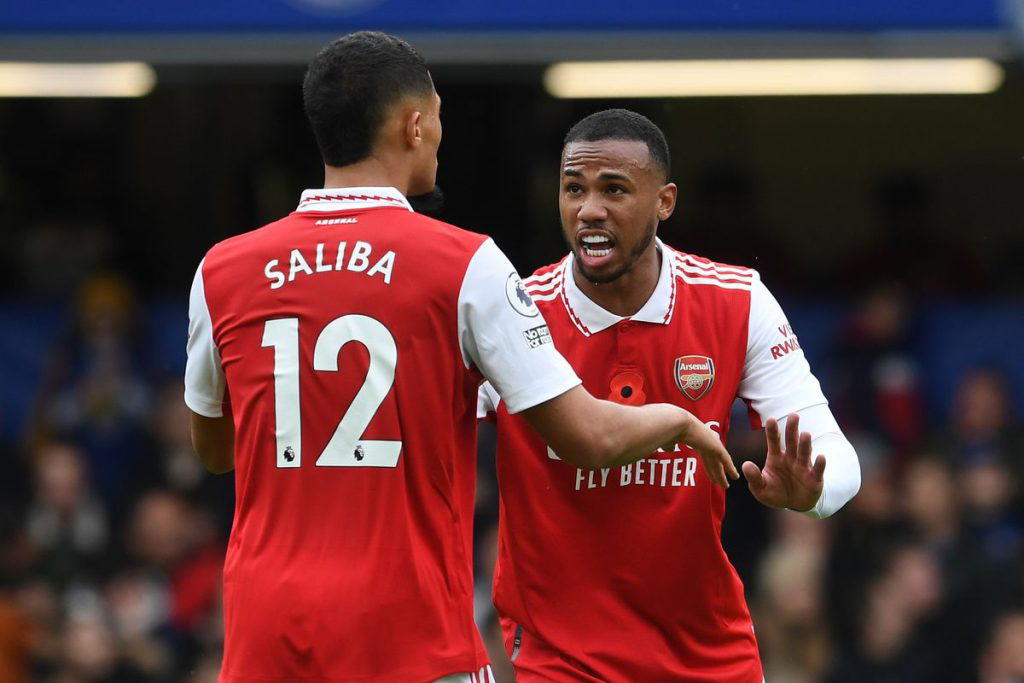
Over the years, Arsenal have perpetually bled from having a porous defence. Successive managers have had to grapple with the then seemingly accustomed propensity of Arsenal to concede goals, including silly ones. Different ilk of defenders have graced the blades of the grass at the Emirates but none could regenerate the solidity of Sol Campbell and Kolo Toure; the reliability of Tony Adams and Martin Keown.
Though having looked like he was going to join the long list of managers who have fallen short in delivering Arsenal from its defensive woes, Arteta, this season, seemed to have cracked the jinx as this is the closest Arsenal have ever come to being impregnable at the back in recent years.
Before Arteta joined, Arsenal were conceding at a rate of 1.33 goals per Premier League match. Since the Spaniard arrived, that figure has been shriveled to a lowly 0.9. Even in Unai Emery’s respectable first season, they averaged 1.34 goals against. In the Premier League this season, they are the second team with the least number of goals conceded, and that accentuates why they find themselves lodged at the summit of the table.
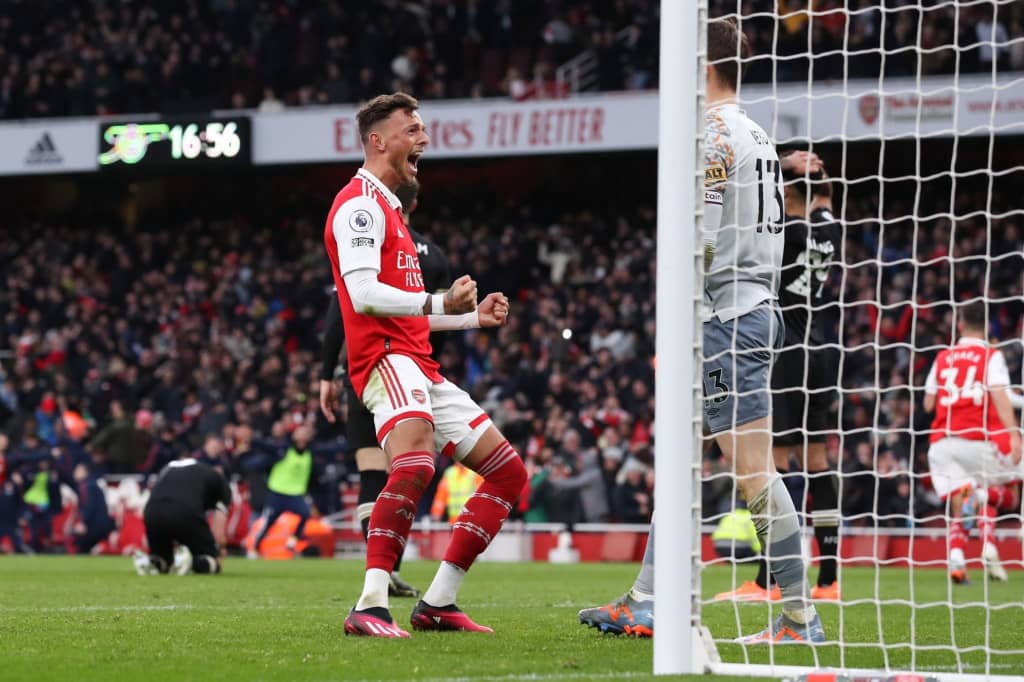
Some intentionality, yet again, will be uncovered when you take a look at how Arteta has transformed the Arsenal backline. From the unthinkable purchase of Aaron Ramsdale from a relegated Sheffield United to compete with an improving Bernd Leno, to the usage of three natural-minded center-backs in defence: William Saliba, Gabriel and Ben White, with the latter deployed at right wing back. This, as seen in matches this season, ensures that there is a reliable defensive covering backed by a workaholic and supportive Partey in midfield, topped off by a ‘harmonious’ team that understands that the art of defending is everyone’s business, and it starts from high-up the pitch.
Disclaimer
Comments expressed here do not reflect the opinions of Vanguard newspapers or any employee thereof.