.
…..insist ban on old N500, N1000 notes an affront on Judiciary
By Ikechukwu Nnochiri, ABUJA
Determined to validate the use of the old N500 and N1000 banknotes as legal tenders, 10 States of the federation have through their Attorneys-General, filed a fresh process before the Supreme Court to challenge President Muhammadu Buhari’s pronouncement in the broadcast he made last Thursday.
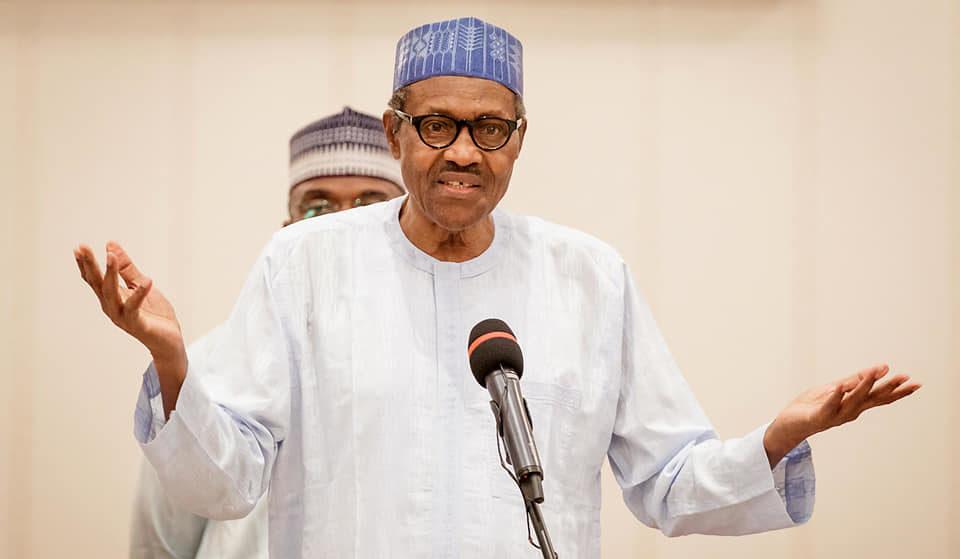
President Buhari had in the said nationwide broadcast, banned the continued use of the two old banknotes that were recently redesigned by the Central Bank of Nigeria, CBN, though he okayed the old N200 banknote to remain a valid legal tender till April 10.
He made the broadcast barely 24 hours after the apex court adjourned further proceedings in a suit that some States filed to challenge the CBN’s new monetary policy, which they said occasioned great hardship for citizens and residents within their territory.
Though only three northerner states- Kogi, Kaduna and Zamfara- initially approached the Supreme Court to query the CBN policy and to void the initial February 10 deadline that was set for use of the N200, N500 and N1000 banknotes, however, seven other states applied and were on February 15, joined as co-plaintiffs in the suit.
The states the apex court allowed to come into the case to challenge FG’s decision, were; Lagos, Cross River, Ogun, Ekiti, Ondo, Sokoto and President Buhari’s home state, Katsina.
On the other hand, Edo and Bayelsa states threw their weight behind FG and the CBN and were accordingly joined as co-defendants in the matter.
Likewise, Rivers, Kano and Jigawa states, filed separate suits to vacate the cash withdrawal limits the CBN allowed for corporate entities and individuals, respectively.
A seven-man panel of the apex court which earlier issued an interim order that stopped FG from proceedings with full implementation of the ban on the old banknotes, while adjourning the case till next Wednesday, said it would consolidate all the suits for determination.
Meanwhile, the 10 plaintiffs, in the fresh process they filed in respect of the suit marked: SC/CV/162/2023, are praying the apex court to declare President Buhari’s directive that banned the use of the old N500 and N1000 banknotes, as unconstitutional.
The plaintiffs, in the application they filed through their lawyer, Mr A.J. Owonikoko, SAN, which was predicated on 12 grounds, maintained that Buhari’s directive extending the validity of only the old N200 notes for 60 days as well as his ban on old N500 and N1,000 notes, was not only unconstitutional but also and attempt to overreach and usurp the judicial power of the Supreme Court.
Anchoring their application on Sections
232(1), 6(6)(b) an287(1) of the 1999 Constitution, as amended, the 10 states argued President Buhari ought to have restrained himself since the apex court was already seized of the matter.
Specifically, the States, in the application that was filed on Friday but made available to newsmen on Saturday, at seeking; “An order setting aside the directive contained in the Special and Presidential Media Broadcast delivered on Thursday the 16th of February, 2023, by the President of the Federal Republic of Nigeria (the substantive 1st defendant in this suit) for being an unconstitutional overreach and usurpation of the judicial power of this Court on a matter constituting the subject matter of the pending suit herein; and in respect whereof there subsists an order of interim injunction binding on all parties inclusive of the President who is a party through the named nominal Defendant in the person of the 1st Defendant as the Chief legal officer of the federation”
They argued that the grant of the application was “imperative to restore faith and confidence in the court as being dominus litis over the instant suit, and to stave off further confusion as to obligations of obeisance to the extant orders of the court by and throughout the country”.
According to the Applicants, the public was placed “in an embarrassing dilemma as to which directives/order should be complied with, between the order of the Supreme Court and the counter directive of the 1st Defendant which was issued later in time”.
Disclaimer
Comments expressed here do not reflect the opinions of Vanguard newspapers or any employee thereof.