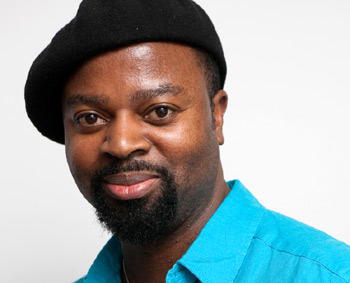
Ben Okri, Past winner of Booker Prize
By LAWANI MIKAIRU
A group of leading lights from the literary world have launched a book prize in response to what they see as the changing priorities of the Man Booker Prize.
The Man Booker Prize promotes the finest in fiction by rewarding the very best book of the year. The prize is one of the world’s most important literary awards and has the power to transform the fortunes of authors and even publishers.
It will be recalled that Nigeria’s Ben Okri won the prize in 1991, with his book The Famished Road .The Man Booker Prize is sponsored by Man Group Plc. Man is a world-leading alternative investment management business.
The organisers of the new Literature Prize claimed the Booker “now prioritises a notion of ‘readability’ over artistic achievement”. But in a swift reaction, the Man Booker administrator Ion Trewin dismissed that idea as “tosh”.The Literature Prize will be open to any novel in the English language and published in the UK.

Ben Okri, Past winner of Booker Prize
The Booker competition is only open to those from the British Commonwealth and Ireland. The prize, which celebrated its 40th anniversary in 2008,aims to reward the best novel of the year written by a citizen of the Commonwealth or the Republic of Ireland.
The Man Booker judges are selected from the country’s finest critics, writers and academics to maintain the consistent excellence of the prize. The winner of the Man Booker Prize receives £50,000 and both the winner and the shortlisted authors are guaranteed a worldwide readership plus a dramatic increase in book sales.
.Literary agent Andrew Kidd, spokesman for the newLiterature Prize, however explained that “This is not about attacking the Booker or any books on the shortlist. The Booker has made certain choices about how it wants to position itself and that’s great , but we think there’s a place for both of us and there can be a happy co-existence.”
The Literature Prize names among its supporters writers John Banville, Pat Barker, Mark Haddon, Jackie Kay and David Mitchell. An announcement about the committee and funding for next year’s prize is expected within weeks.
In the launch statement, the Literature Prize organizers said “The prize will offer readers a selection of novels that, in the view of these expert judges, are unsurpassed in their quality and ambition. For many years this brief was fulfilled by the Booker ,latter the Man Booker Prize.
But as numerous statements by that prize’s administrator and this year’s judges illustrate, it now prioritises a notion of ‘readability’ over artistic achievement.”
Dismissing that as “tosh”, Man Booker’s spokesman said “I think I have gone on record in the past as saying that I believe in literary excellence and readability, the two should go hand in hand.”
In a rather reconciliatory tone, Jonathan Taylor, chairman of The Booker Prize Foundation, said: “Since 1969 the prize has encouraged the reading of literary fiction of the highest quality and that continues to be its objective today. We welcome any credible prize which also supports the reading of quality fiction.”
There is already accusation that the Literature Prize was about elitism. But Andrew Kidd, spokesman for the new Prize said “It’s a silly accusation. It is more about our feeling that a space has opened up for a new prize which is unequivocally about excellence , even if that sometimes means shortlisted books are more challenging and don’t necessarily fall under the easy description of readable.”
The winner of the £50,000 annual Man Booker prize will be announced today, 18th October. .Julian Barnes is among six authors featured on this year’s Man Booker Prize shortlist. He is the favourite for his novel The Sense of an Ending. Stephen Kelman, AD Miller, Carol Birch, Patrick deWitt and Esi Edugyan are also on the shortlist.
There were raised eyebrows in literary circles when previous Booker winner Alan Hollinghurst’s The Stranger’s Child did not make the final six. Last week, chair of the Booker judges and former MI5 chief Dame Stella Rimington hit back at critics of the judges’ choices, which include two first-time novelists.
She said as somebody interested in literary criticism,’’ it’s pathetic that so-called literary critics are abusing my judges and me. They live in such an insular world they can’t stand their domain being intruded upon.”
Her fellow Booker jurors are writer and journalist Matthew d’Ancona, author Susan Hill, author and politician Chris Mullin and Gaby Wood of the LondonTelegraph.
Disclaimer
Comments expressed here do not reflect the opinions of Vanguard newspapers or any employee thereof.