
After the last few years of worldwide shutdowns and the ongoing volatile geo-political situation, the global economy is going through a turbulent period, to say the least. Between persistent inflation, the energy crisis, and the impacts on the stock markets, the prospects for global growth have declined significantly.
Recession Warning
International Monetary Fund (IMF) Managing Director Kristalina Georgieva announced recently during an economic discussion on the news program Face the Nation that global growth forecasts for 2023 have darkened further, with a risk of growth falling below 2%, and that a third of the global economy will fall into a recession this year. During the discussion, she stated, “Even countries that are not in recession, it would feel like recession for hundreds of millions of people.”
As it stands at the beginning of the year, the IMF had anticipated growth of 2.7 % for 2023, underlining that there was a 25% chance of it falling under the point of 2%. The IMF is due to update its 2023 forecast in January. Still, it has been noted that the economic situation has recently darkened, based on what we see both in terms of consumer and investor sentiment.
Despite some layoffs, particularly in the tech industry, for example, unemployment has remained low, and the job market has remained relatively competitive. Despite this, there is still a 70% chance of a recession to remain throughout the year.
China has recently scrapped the zero covid policy and reopened its borders to the world. However, the effects of the long-running lockdown are still being felt, with factory activity shrinking for the third month in a row.
The current downturn also means that there is less demand for China-made products. However, China’s opening back up means that the production of prominent market players such as Tesla electric cars and Apple iPhones can get back to normal.
Global Markets
Equity markets will likely swing between hope and continuing struggle. Financial markets expect the Federal Reserve to be on the verge of ending its monetary tightening cycle due to slowing inflation.
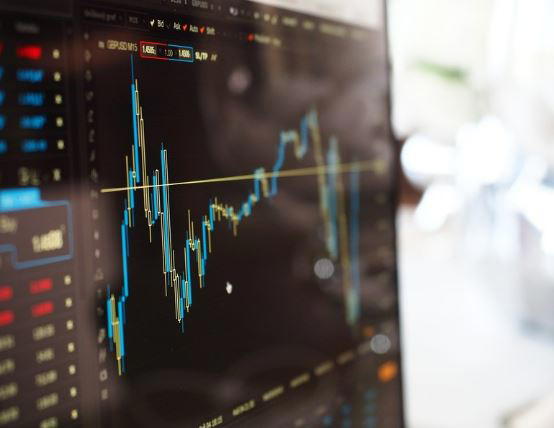
The consensus of strategists, which is somewhat bearish at the moment, is that equity markets will probably bottom in the first half of this year before rebounding at the end of the year. 2022 was a challenging year for the stock exchange and bond investors. However, there is still an opportunity to take advantage of rising and falling share prices and gain access to the stock exchange through CFDs. The companies covered by CFDs include tech giants such as Apple, Facebook and Google, who are all undergoing testing times due to the current economic conditions.
In the equity universe, only a few sectors, such as energy and commodities, performed positively last year. Yet macroeconomic conditions are deteriorating in many parts of the world, and the earnings outlook remains one of decline. Obviously, in the near term, a significant downside would be for inflation rates to remain higher for longer.
Thankfully, significant cracks in the financial markets have appeared outside the equity space, for example, cryptos, and have been successfully contained by central banks. Indeed, it is a strange time for the stock markets. However, provided investors have a long-term perspective and remain focused on the quality and earnings power of the companies they wish to add to their portfolios, the outlook may not be entirely pessimistic.
Disclaimer
Comments expressed here do not reflect the opinions of Vanguard newspapers or any employee thereof.