By Victoria Ojeme
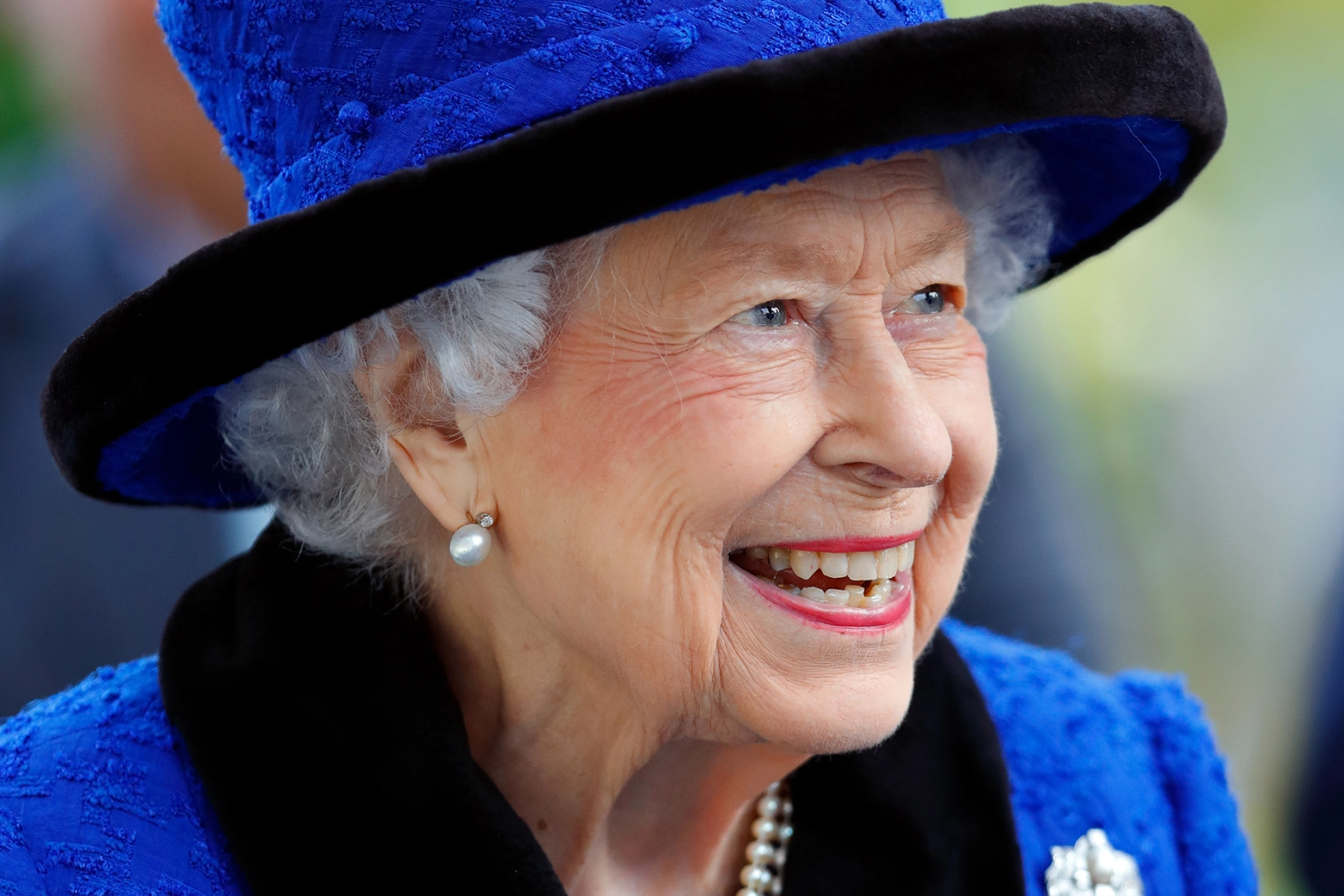
Queen Elizabeth II was an elder sister in Europe among all leaders. She was revered across Europe and the world, not just for royalty but for longevity.
If the Queen had been reigning till May 2024, she would have taken the title of the longest reigning monarch of a sovereign state.
As of Monday June 13, 2022 she had clocked 70 years and 127 days on the throne, second only to Louis XIV of France who became king at the age of four.
She overtook Thailand’s King Bhumibol Adulyadej, who died in 2016, having equalled his reign and more.
In 2015 she became the longest reigning monarch in British history, exceeding the tenure of Queen Victoria, her great-great-grandmother.
“Inevitably a long life can pass by many milestones — my own is no exception — but I thank you all and the many others at home and overseas for your touching messages of great kindness,” the queen said at the time.
At her death last Thursday, European leaders mourned the Queen and paid tribute to the historic duration of her reign and her history of service to the United Kingdom.
“Our thoughts are with the royal family and all those who mourn Queen Elizabeth II in the UK and worldwide,” tweeted European Council President Charles Michel.
“Once called Elizabeth the Steadfast, she never failed to show us the importance of lasting values in a modern world with her service and commitment.”
A former Nigeria Foreign Affairs Ministry spokesman and Nigerian emeritus Ambassador to Mexico, Ogbole Amedu-Ode said that “within and among heads of state governments, the late English monarch was respected and indeed revered.
“This respect and reverence was as much a consequence of her comportment as well as her longevity on the throne,” Ode said.
European Commission President Ursula von der Leyen said the Queen’s death left a “sense of loss in the lives of many” in the UK and throughout the world.
“Her courage and devotion to serving her country was a source of great strength to many and an anchor of stability in the hardest times.
“The Queen’s steadfast dedication to her country, love of family and of her people informed every day of her long reign,” she continued.
“Few have shaped global history like Her Majesty Queen Elizabeth II,” said European Parliament President Roberta Metsola.
“Her unbreakable commitment to duty and service was an example to all,” said Metsola, who tweeted a photo of the Queen addressing the European Parliament.
When Elizabeth II was crowned on June 2, 1953, the United Kingdom was emerging from the rationing of an interminable post-war period, the coal mines were in full swing, television was in its infancy, and London was still the capital of a global empire. Dwight Eisenhower had just moved into the White House, Winston Churchill was the denizen of Downing Street, and Vincent Auriol resided in the Elysée Palace.
It is an understatement to say that the queen has lived through the ages. She came to the throne at the time of steam trains, Bakelite telephones and lifelong marriage, and has since travelled by supersonic jet, tweeted, and three of her four children have been divorced.
As the new queen emerged from Westminster Abbey, she became head of state in 46 countries, all of which are now independent. The United Kingdom – which defeated Nazism, nationalized energy and created a completely free health service – still believed it dominated the world, and the coronation of the 26-year-old sovereign was seen as the beginning of a new Elizabethan golden age.
“Elizabeth’s death will take away much of the real events of our lifetime. I was shocked to realise in this my short life that Chinua Achebe & Queen Elizabeth II weren’t mere allegories of history but living persons,” Victor Okeke, a lawyer in Abuja said in a Twitter post.
According to Okeke, “the past 70 years might not feel golden, but they were an age; at least for the aristocratic vowels and sordid history of the early 20th century. The fact that she was ancient and dignified gave Britain a muffled image of its decline.”
And indeed, Britain has since diminished in significance in the eyes of the world.
With an empire that stretched across the globe, Britain enjoyed this position throughout the latter centuries of the last millennium as its economic, military and cultural power allowed it to hold sway over two thirds of the world. This was Britain in its pomp, an all-reaching, all-dominating power whom the rest followed.
By the middle of the twentieth century, this position had been gradually overtaken by the rampant emergence of the United States (US) and the Soviet Union. Britain was still powerful economically and militarily but no longer enjoyed its previous preponderance to dictate world affairs on its terms alone. As the Cold War progressed, new great power contenders undercut its status further.
With Japan first and then China, East Asia emerged as the focal point of global influence, and closer to home the European Union also reduced Britain’s elite status. While the fortunes of these others have ascended, Britain’s trajectory has been recessional – a reality that runs counter to the oft-cited and self-confident narrative of “global Britain”.
In military terms also, Britain’s star has waned. As reviews have repeatedly shown in the last decades, the preparedness, funding and scale of the country’s armed forces are all in decline, and it now ranks 8th in terms of spending in 2019 versus being ranked 3rd across the 1990s and 2000s. Due to such degeneration, Britain is no longer able to wage war independently and is instead a medium-sized partner that can only piggy-back its way into war based upon the prowess of others – almost exclusively the US. In the post-9/11 Iraq invasion, Britain’s preparation was deemed to be ‘wholly inadequate’, as was that in Afghanistan, both portents for the country’s experience in 2020 with the lack of Personal Protective Equipment to deal with Covid-19.
According to diplomats, there has also been a “palpable decline” in Britain’s influence in the UN since the 2016 Brexit vote as it lost its valuable association with the European Union, which had “added-value” to its diplomacy (especially with China and India). As Brexit became the country’s myopic foreign policy issue pre-coronavirus, it also gave the world the ‘impression that the UK has checked out of world debates’ and is a global outlier.
Notwithstanding a lingering cultural cachet in the linguistic, music and artistic realms, which acts as a deep-seated soft power repository, Britain’s claim to great power status now rests more upon what it was than what it is. This is even louder now with the exit of Queen Elizabeth II who has acted as a bridge between Britain’s glorious past and the gloomy present.
Spanish King Felipe VI shared a note sent to King Charles III, expressing the “most heartfelt condolences” of the Spanish government and people.
“Her Majesty Queen Elizabeth has undoubtedly witnessed, written and shaped many of the most relevant chapters in the history of our world during the last seven decades,” he wrote.
On whether King Charles III will ever live up to the legacy of her mother, Ambassador Amedu-Ode said that “The English throne is a ceremonial throne albeit with lots of power and influence. However, in the realm of international relations, the dynamics that determine and express her interests are not found within the corridors of Buckingham palace.”
Disclaimer
Comments expressed here do not reflect the opinions of Vanguard newspapers or any employee thereof.