Imran Aliyu
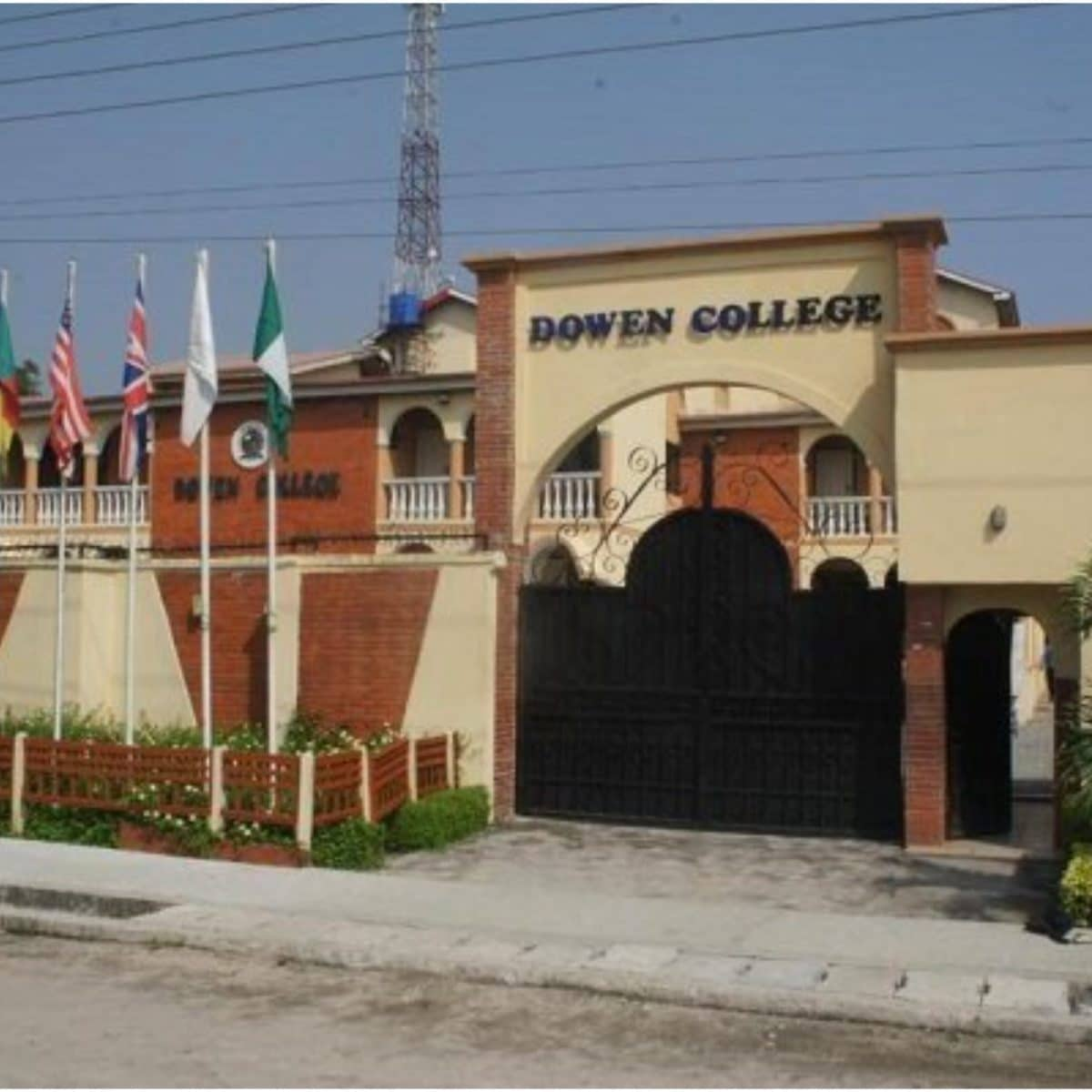
The problem of bullying in schools has been brought into the spotlight and national consciousness, as a result of the death of Sylvester Oromoni, a JSS2 student of Dowen College, who was bullied by his seniors to his untimely and needless death. This is by no means a new or isolated issue.
It is pervasive in our schools – both public and private – and has affected generations of Nigerians who were (and are) educated in our boarding schools.
For me, Sylvester resurrected uncomfortable memories of my own past, as a young boy attending one of the premier educational institutions in the country, King’s College. That’s what I want to talk about.
King’s College Lagos (KCL), founded in 1909 by the British, was built on the idea of creating a system for moulding individuals into a desired end product, to be unleashed into the upper levels of society with a view to ultimately shaping the national discourse.
It was conceptualised as a model school for creating leaders and as a consequence, was to be an elite institution, with its products standing out as shining examples for the wider society.
Through the country’s many eras, the school had largely accomplished its mission – producing trailblazers in government, politics, industry, entertainment that have flown the country’s flag high at home and internationally.
Nevertheless, by my time in the early 2000s, authoritarianism, especially through its most virulent manifestation – bullying, was rife, endemic, and established culture in the school.
In this cesspool of violence and intimidation, the motivation for establishing the ‘good old school’ as old boys call it, was lost; as leadership within the school, enshrined in the rigid hierarchy of seniority, was characterised by domination through terror and fear on the part of seniors, and acquiescence and subservience on the part of juniors.
ALSO READ: Oromoni’s death: Police interrogate 3 Dowen College students
A system has initially been designed to uphold, delineate and ingrain in its ‘test subjects,’ the students, the sacred and uniquely esteemed values of chivalry, brotherhood and excellence, had morphed into one which mass-produced traumatised, yet smartly dressed students. By way of this, a systematic process of deconstruction and stone-hearted transformation was created.
Schools are supposed to be vehicles for engineering positive social change and societal transformation through inclusive and immersive education. King’s College, due to its backward slide, had reneged on its role as an agent of positive change to a reactionary model which only served to preserve the status quo by prepping its wards for an increasingly callous society, through imitating the real world, complete with its harsh realities.
In effect, the school served to make us good at enduring difficulty, adept at absorbing trauma and operators in the grey space where pain and disillusion collide. The aim of moulding students whose lives are shaped by higher values had been firmly lost.
Bullying in schools, particularly in rarefied public institutions like King’s College and exclusive ones like Dowen, in my opinion, is a sign of system failure and an indication of a slow but sure slide down to the abyss.
The claim that the difficulties occasioned by bullying toughen one up and better prepare them for life, is a myth and twisted logic of the first order. Mental health is prioritised in well-functioning societies because a high sense of self-esteem empowers productivity and self-actualization.
A well-adjusted individual is one who is disposed to learning, relearning and unlearning, adept at fostering collaboration, generous at heart and is willing to commit to a life of self-discovery.
All of these attributes are muzzled and actively attacked in an environment where bullying and oppression reign.
I left King’s College almost two decades ago. Many of us who went there, and many other Nigerian alumna of public and private institutions down the length and breadth of this country, will never forgive or forget our bullies. Some will go as far as exacting revenge if (or when) the opportunity arises.
This is indicative of the trauma which the past extracts from the present and if left untreated, impacts the future.
A culture that condones this perverse cycle of suffering is not worthy of the term. We must commit to do all we can to ensure that we neither produce more Sylvesters or the zombified survivors who are now forced to live the rest of their lives with the scars of victimhood. Future generations deserve more than a legacy of trauma.
Imran Aliyu is a lawyer and writes from Kaduna
Disclaimer
Comments expressed here do not reflect the opinions of Vanguard newspapers or any employee thereof.