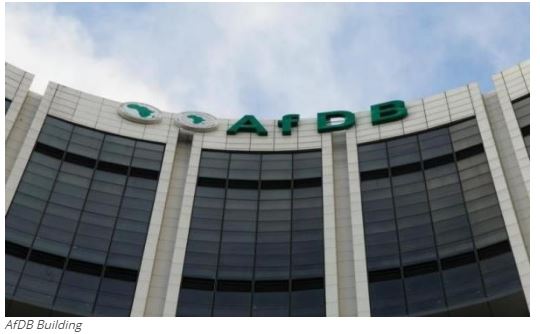
African Development Bank (AfDB)
…Targets $150bn boost for foreign reserve
By Emmanuel Elebeke
The African Development Bank, AfDB is to establish Special-Industrial Processing zones, SAPZs in all 36 states of Nigeria including FCT.
The SAPZs, an initiative of AfDB Group, public and private sector is a 10 year development programme to be financed under the NSO and AfDB which will guarantee steady annual growth rate of about 5% over the next 10 years from year 2023.
The plan amongst others is to add at least $15billion to the country’s foreign reserves cumulatively from non-oil exports over the next 10 years.
It is also expected to create at least 500,000 additional export linked jobs annually due principally to increase in productivity export activities and lift at least 10 million Nigerians out of poverty and also empower each State and it’s people by integrating them into export value chain.
The plan is also expected to attract Foreign Direct Invests for infrastructure development such as rail lines, silos, captive power plants along side water, healthcare, qualitative education system, hospitality and human capital development.
Announcing this Tuesday at a press conference titled: “Nigerian Industrialisation Summit ” held in Abuja, the minister of State for Finance Budget and National Planning, Clem Agba said the programme is geared towards sustaining the growth trajectary being recorded by the Nigerian economy which has indicated a return of business and economic activities with 5.01% of GDP growth recorded in the Q2 2021 and 0.51% in Q1 2021 respectively.
According to him, the SAPZs, will unlock the potentials of each state in the development and and promotion of at least one crop for export.
“The SAPZs scheme is perfectly in line with Federal government Policy to promote non-oil revenue generation and Zero-Oil Economy Plan, optimizing agro-value chain and contiuous use of local content for economic prosperity at the national and sub-national levels.
“The Zero- Oil Economy Plan can now be sustained by the SAPZs for the 36 states and FCT guaranteed by Federal government of Nigeria and Non Sovereign Organisation window NSO for the private sectors, also by AfDB which Madewell Garment limited, promoters of Jesse Export Processkng Zones and Anchors is leveraging to drive the Private section of our economy.”
“This aligns with the Federal government’s drive on economic diversification, job creation and enhanced agro value chains, with the ultimate objective of lifting 100 million Nigerians out of poverty over 10 years.
“We are focusing on concentric diversification strategies especially in agriculture that can deliver sustained, job intensive and inclusive growth. This requires protection of export of range of products for overseas markets to earn foreign exchange by unlocking agriculture value chain,” Agba said.
In his remarks, the epresentative of AfDB president, Prof.Oyebanji Olayinka said: “Today’s spotlight is how Nigeria can feed, clothe and house itself. This exhibition gives me joy as this is a demonstration that the festival, sub-nationals and the private sector have yielded to the call and have put in place measures to diversify the economy and generate renvenue sources to complement the dwindling income from the Federation Account which was mostly affected by the decline in oil revenue as a result of pandemic.”
“Measures put in place by government of Nigeria have ensured that both health and economic data have continued to be on the positive trajectory.
“To sustain the growth trajectory, this Special- Industrial Processing Zones will be established in all 36 states if Nigeria including the FCT.”
The event was convened to spotlight on Nigeria Industrialisation Summit and Expo which is one of the activities designed to create food security and diversify the Nigerian Economy.
Recall that the administration has continued to place emphasis on the need for an aggressive economic diversification at the national, and sub-national levels.
Disclaimer
Comments expressed here do not reflect the opinions of Vanguard newspapers or any employee thereof.