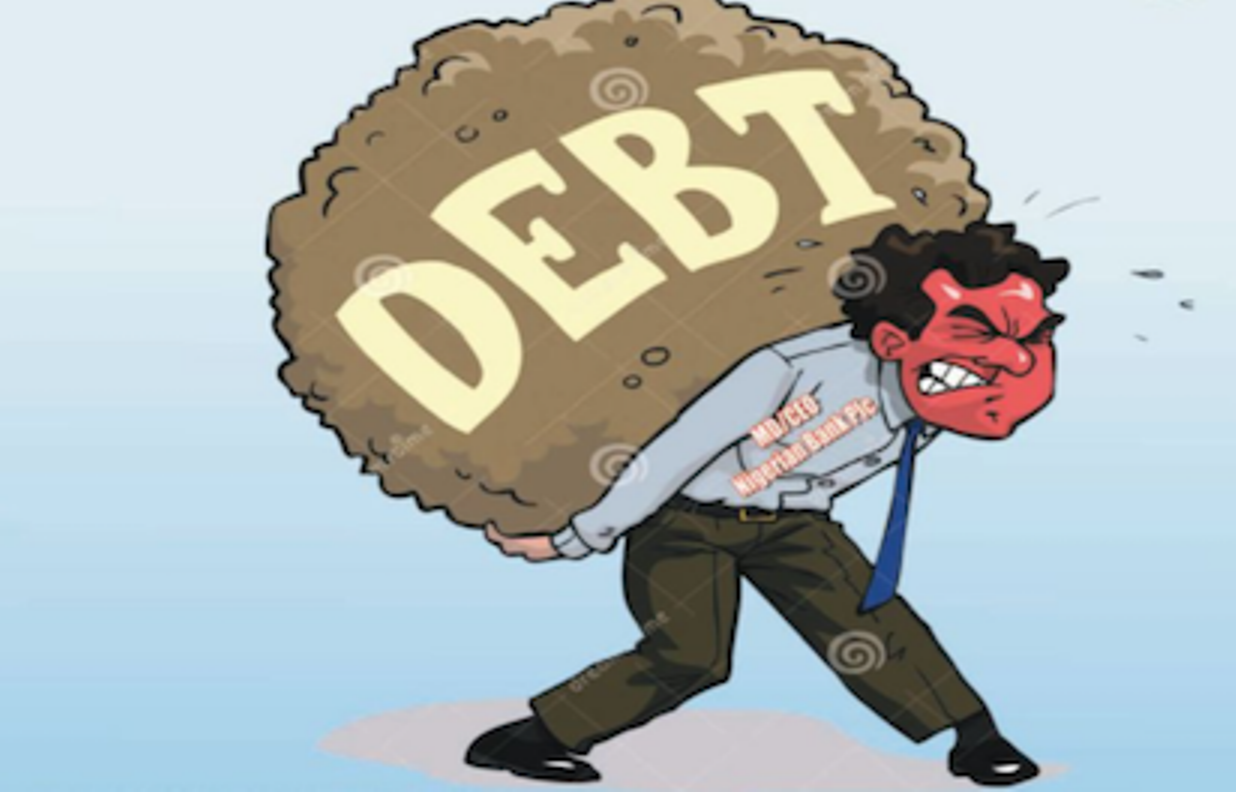
Chinese government gifts debt and a threat to the African Continent on the twentieth anniversary of founding Forum of China-Africa Cooperation (FOCAC).
Since the establishment of FOCAC in October 2000, trade between China and Africa has increased by 700 per cent, leaving US-China trade behind. The overall continent is now dependent on the Chinese communist government with a debt of approximately $200 billion.
China is not Africa’s largest donor rather, it is Africa’s largest exploiter who with the debt strategy, one by one is taking over the giant-resourceful continent.
Since the independence of the African nation in the 1960s, both Taiwan and China showed considerable interest and sought to establish diplomatic ties across the continent to win the support of the African nations for the ultimate United Nation Resolution for recognition of either Taiwan or China.
With the US-backed financial assistance, Taiwan focuses on helping African farmers by providing agricultural aid programs, technology sharing and large-scale training programme.
Whereas the China Communist state focused on massive infrastructure investments based on billion-dollar loans reducing Taiwan support. Ultimately 1971 voting in UN General Assembly passed a resolution denying Taiwan a role and affirmed China a place.
China promises partnership on the face but backstabs with less interest rate loans and traps, to capture strategically important areas to spread diplomatic influence in the world.
ALSO READ: Chinese foreign minister on two-day state visit to Nigeria
Under Belt and Road Initiative (BRI), China has excessively increase commercial activities also referred to as the “Yuan Diplomacy”. In the last two decades, China had not only taken over Asia, South-East China, Central and West Europe, Central Asian Republic but has also cemented its position and dependence in Latin American Countries and the entire African continent.
Chinese invest in two forms. One is through loans and second by foreign direct investments. According to China-Africa Initiative at Johns Hopkins University, China loaned $152billion to 49 African countries out of 54 between 2000 to 2018. And nearly 30 per cent of the total African loan is given to the oil-rich country Angola that is $43 billion. From 2003 to 2018, Foreign direct investment increased from US $17 million to US $5.4 billion and till date, Chinese Companies have invested $46 billion through foreign exchange.
Africa owes approximately $200 billion to China. Over 40 per cent loans are for power projects and other 30 per cent for modernising transport infrastructure that includes ports, railway, road and other connectivity projects. BRI also include Maritime Silk Road and port in Mombasa is being developed under it.
Most important projects include 472km Mombasa-Nairobi railway, the largest infrastructure project since Kenya’s independence in 1963 with 80% Chinese funding. 2nd is the 756km Ethiopian Addis Ababa- Djibouti Railway project connecting capital Addis Ababa to Djibouti where China have a military base. The visionary thought to connect the railway to its military base was long-planned and is being achieved by billion-dollar loans.
Other projects include Desertic: Sola power project, Grand Ethiopian Renaissance Dam, Lake Turkana Wind Power Project, 03b Networks: next-generation satellite network, BRICS Cable, Square Kilometre Array Telescope.
As of 2020, the countries in Africa with the largest Chinese debt are Angola ($25 billion), Ethiopia ($13.5 billion), Zambia ($7.4 billion), the Republic of Congo ($7.3 billion), and Sudan ($6.4 billion). Peter Nolan correctly said, “China is buying the world and damaging international relations.” Africa must learn from other countries like Pakistan, Sri Lank, Djibouti, Laos, Maldives, Tajikistan and other before it’s too late.
China took the opportunity of Djibouti heavy debt and establishes its overseas military base which geo politically has strategic importance as its few miles from a US naval base the only permanent American military facility in Africa. Djibouti had no choice but to lease land to China for $20 million per year. Laos is also struggling to pay back China and had to hand over majority control of its National Electric Grid at a time when its state-own electric company’s debt has spiralled to 26% of its gross domestic products.
Tajikistan borrowing began to form 2006 and was unable to pay debt leading Tajikistan government to pass a bill handing over 1,122 square Kilometre of mountainous land in the remote Pamir Mountains and granted Chinese companies rights of mine gold, silver and other mineral ores. Kyrgyzstan also under debt trap. Maldives gave couple of islets cheaply in Indian ocean archipelago.
Needless to say, the African economies are being tormented by Chinese sharks. If the countries do not pull their plug from Chinese funds, it may become too dependent too soon. If that happens, there is no way out from egregious exploitation of the rich resources, including people and nature.
Disclaimer
Comments expressed here do not reflect the opinions of Vanguard newspapers or any employee thereof.