By Femi Obikunle
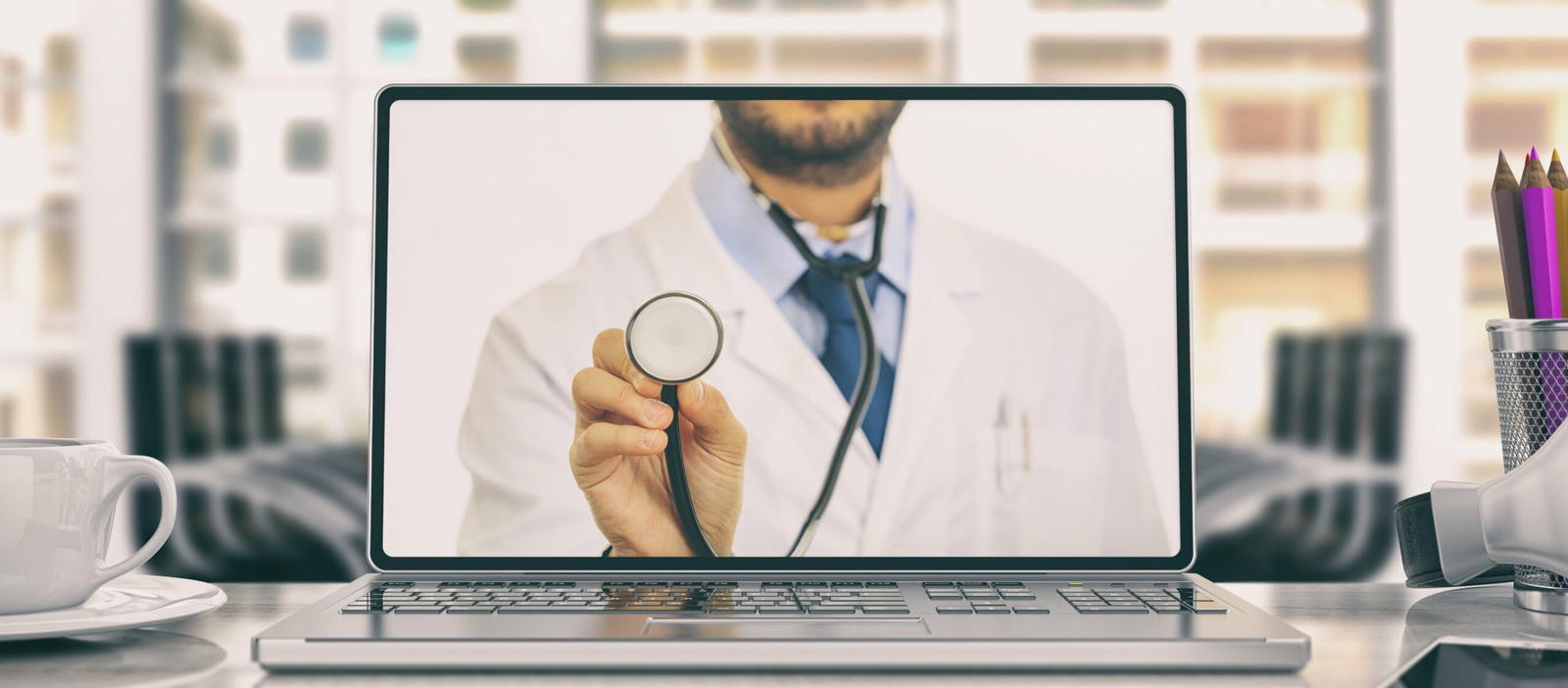
This article focuses on the importance of training healthcare workers in Nigeria in the use of telemedicine in hospitals and clinical environments in all the 36 states of Nigeria and the Federal Capital Territory, Abuja.
Telemedicine originated from the word tele, Greek word for ‘far off,’ and Latin word medicus or physician, so telemedicine may be defined literally as “medicine practiced from a distance.”
Telemedicine thus allows healthcare professionals to assess, diagnose, plan, implement and evaluate patient – centered care and treatment in rural and remote locations, using telecommunications technology.
Telemedicine affords patients in remote locations to access medical expertise quickly and efficiently without the need to travel.
This opportunity reduces the chances of further spread of infection.
According to the American Telemedicine Association, “The future of Medicine is Telemedicine.”
The World Health Organization (WHO) has advised healthcare establishments to consider using telemedicine while assessing suspected COVID-19 cases, as a way of minimizing the use of personal protective equipment, including gloves and masks. In addition, the United States Centers for Disease Control and Prevention (CDC) suggests that healthcare organizations should use telemedicine where applicable for direct patients care during the coronavirus outbreak.
It should be noted that the term ‘healthcare’ is not limited to only physicians, but includes pharmacists, nurses, radiologists, lab technicians, medical students and allied professionals.
Telemedicine innovation can be useful during emergency situations such as the current coronavirus situation, in treating accidents victims and other aspects of medical practice such as neurology, radiology, dermatology, cardiology, mental health or psychiatry, home health care, pathology, and oncology to mention just a few.
It is high time that federal, state and local governments and other private agencies involved with healthcare provision took training of healthcare practitioners seriously.
However, this is feasible where a well-developed healthcare system is in place.
The current coronavirus pandemic is a reminder of the significance of using telemedicine to deliver care, especially as a means of reducing the risk of cross-contamination caused by close contact.
For telemedicine to be effective as part of an emergency response, it first needs to become a routinely used part of our health system.
Benefits:
- Telemedicine provides protection to both the physician and patient, preventing possible spread of COVID-19 while allowing for continuing patient care.
- Web conferencing with features such as audio-video with login capacities can be used by educators and students to maintain regular dissemination of knowledge that will be valuable in addressing COVID-19 crisis.
- Global knowledge and updated scientific information can be transferred easily through the use of efficient communication tools such as Zoom.
- Healthcare workers can communicate with patients through telemedicine platform; thus, maintaining the requirement of social distancing.
- Patients may benefit by staying at home, while receiving medical care, without the risk of exposure to others.
ALSO READ: Modern issues in telemedicine and insurance in Nigeria
- Patients such as the elderly not infected with COVID-19 virus, and without any pre-existing medical conditions, can through telemedicine gain convenient access to routine care without the risk of exposure to an already crowded hospital, or medical practice waiting rooms.
- Patients in rural locations with basic smartphone can connect to healthcare workers for initial consultation.
- Workers in isolation can communicate with the healthcare team without the need to travel.
- Telemedicine may be utilized effectively to monitor obstetrics, and provide maternal care with minimal risk of exposure.
- Physicians and patients can communicate 24/7, using smartphones or webcam-enabled computers, Apple FaceTime, Facebook Messenger video chat, Google Hangouts video, and Skype.
- Healthcare workers can be coached on telemedicine communication etiquette.
- Healthcare workers can be trained on the approach of space selection that is quiet, private, and has good lighting with a professional, neutral, and organized background.
- Healthcare workers can easily obtain patients travel details and exposure history to detect early signs of respiratory symptoms which may be a pointer to Covid-19.
- Telemedicine can allow for an automated screening algorithms intake process, and local epidemiological data can be deployed to standardize patient screening.
- Telemedicine is perfect for the management of communicable diseases.
- Telemedicine could allow providers to triage patients, reducing the problem on Emergency Departments. Emergency care providers, therefore, can ascertain which patients need immediate care, or intervention versus going to an urgent care clinic, office follow-up, or local testing centre for COVID-19 for those with flu-like symptoms
Recommendations:
- Ensure that all healthcare workers receive appropriate education and training.
- Adequate funding needs to be provided for training purposes, and the cost of attending the training should be free to all workers tasked with healthcare delivery.
- Telemedicine guidelines, policies and procedures need to be established.
- We need effective change management strategies to support clinicians with limited telehealth experience.
- Simulated testing of telemedicine applications for emergency situations is a useful way of ensuring that workflow processes are clear and effective
- Enabling platform with adequate communication tools, and an uninterrupted power supply, should be provided for a sound telemedicine practice.
- Standards must be in place for telemedicine practice, patient privacy issues and reimbursements.
- The Federal Government needs to be involved in funding telemedicine projects as a way of addressing the disparity of access to health care services in Nigeria.
- Embedding telemedicine into routine service delivery, by all healthcare providers, is the most effective way of ensuring telemedicine can be readily used during emergencies.
Conclusion
The future of natural disasters and infectious pandemics may not be predictable with mathematical exactitude.
However, setting up a contingency plan for it is inevitable.
One such way to achieve this is a strategy of excellent telemedicine response system that is fully equipped with all the necessary technology and communication tools, and with adequate training for healthcare workers.
The COVID-19 pandemic experience is not a first and will definitely not be the last. Therefore, telemedicine training is a “sine qua non” for a robust, futuristic healthcare delivery system in Nigeria.
Obikunle, a Certified Telehealth Clinical Presenter (CTCP) -US, has a doctorate degree in business administration – healthcare management (telemedicine) from Walden University, Minnesota- US.
Disclaimer
Comments expressed here do not reflect the opinions of Vanguard newspapers or any employee thereof.