By Aare Afe Babalola, SAN,
The focus of the previous editions has been on the timeline of epoch-making pandemics in the course of human existence and humanity’s response in ensuring its survival.
This week, however, I intend to deal with Nigeria’s response to the novel COVID-19 in the light of the nation’s poor healthcare system.
The gloomy reality of Nigeria’s healthcare system: One of the most important sectors in any economy is the health sector, and therefore, the promotion of a good healthcare system which supports the attainment of economic development and general wellbeing of the citizenry ought to remain a topmost priority by any government.
However, Nigeria’s health sector is, perhaps, one of the least funded and poorly managed in the world. Many factors account for this state of affairs, with corruption being the most pronounced. Without a doubt, corruption in any nation’s health sector usually has life-threatening consequences on the citizenry – the low-income class and the middle class – who have limited or no privilege of affording foreign medical care. Corruption in the health sector is sustained by a complex network of interrelating factors.
Researchers have argued that corruption in the health sector thrives where frontline workers are poorly paid and lack resources to meet the needs of their patients, in settings characterised by weak governance structures and processes, lack of transparency, and ineffective accountability mechanisms and it is especially common among those involved in the procurement of resources where oversight is weak.
Other incidences of corruption in the health care sector include absenteeism, diversion of patients from the public to the private sector, inappropriate prescribing, informal payments/bribery and theft of drugs and supplies.
Some ranking indexes all around the world have identified Nigeria’s health sector as one of the nation’s most corrupt sectors as attributed to weak governance structures, poor oversight and non-accountability, usually resulting in adverse health outcomes, and on a larger scale, being a threat to Nigeria’s achievement of the health-related Sustainable Development Goals.
Besides corruption as a plague on Nigeria’s healthcare system, low budgetary allocation equally accounts for the current decline in the sector. In Nigeria, healthcare financing has not received the required budgetary allocation it truly deserves and apart from contributing immensely to the fall of the life expectancy of the average Nigerian, the near-total neglect of the sector has equally caused Nigeria to lose billions of naira annually to medical tourism.
ALSO READ: World Bank approves $1bn funding for Kenya budget support
The health sector appropriation in the 2020 budget amounts to 4.5 per cent of the total federal budget, a far cry of 15 per cent which was agreed by African Union countries in the 2001 Abuja Declaration.
At the Abuja Declaration, the participant countries met and pledged to set a target of allocating at least 15 per cent of their annual budget to improve the health sector and urged donor countries to scale up support. Clearly, Nigeria’s budgetary allocation for the health sector has fallen short of expectations.
One would wonder whether if the Nigerian government had foreseen that the transnational COVID-19 would knock on its doors uninvited, maybe the government would have allocated more funds to shore up the nation’s healthcare system, adequately equipped the sparsely furnished healthcare facilities littered all over the nation and provided the requisite infrastructures, more particularly as the pandemic has closed the option of foreign medical tourism to rich politicians, wealthy private individuals and privileged government officials. The outbreak of the pandemic in Nigeria has made one thing glaring – Nigeria was not prepared for COVID-19.
Among Nigerians, however, the near-immediate impact of the COVID-19 pandemic has been the prioritisation of spending on essential goods and services and expectation management. In the capital market scene, the pandemic resulted in a massive decline in stock prices as the Nigerian Stock Exchange recorded its worst performance since 2008.
Expectedly, the commodity-dependent Nigerian economy has also been negatively impacted due to the fall in global demand for oil, thereby resulting in a fall in market price. By extension, the steep decline in oil price has necessitated a cut in government expenditure with the Minister of Finance announcing a $4.17bn cut in nonessential capital spending in the 2020 budget.
The antecedence, emergence, trajectory and spread of COVID-19: According to Wikipedia, coronavirus disease, COVID-19, is an infectious disease caused by severe acute respiratory syndrome coronavirus 2 (SARS-CoV-2).
It was first identified in December 2019 in Wuhan, China, and has since spread globally, resulting in an ongoing pandemic. As of May 17, 2020, more than 4.65 million cases have been reported across 188 countries and territories, resulting in more than 312,000 deaths. More than 1.7 million people have also recovered.
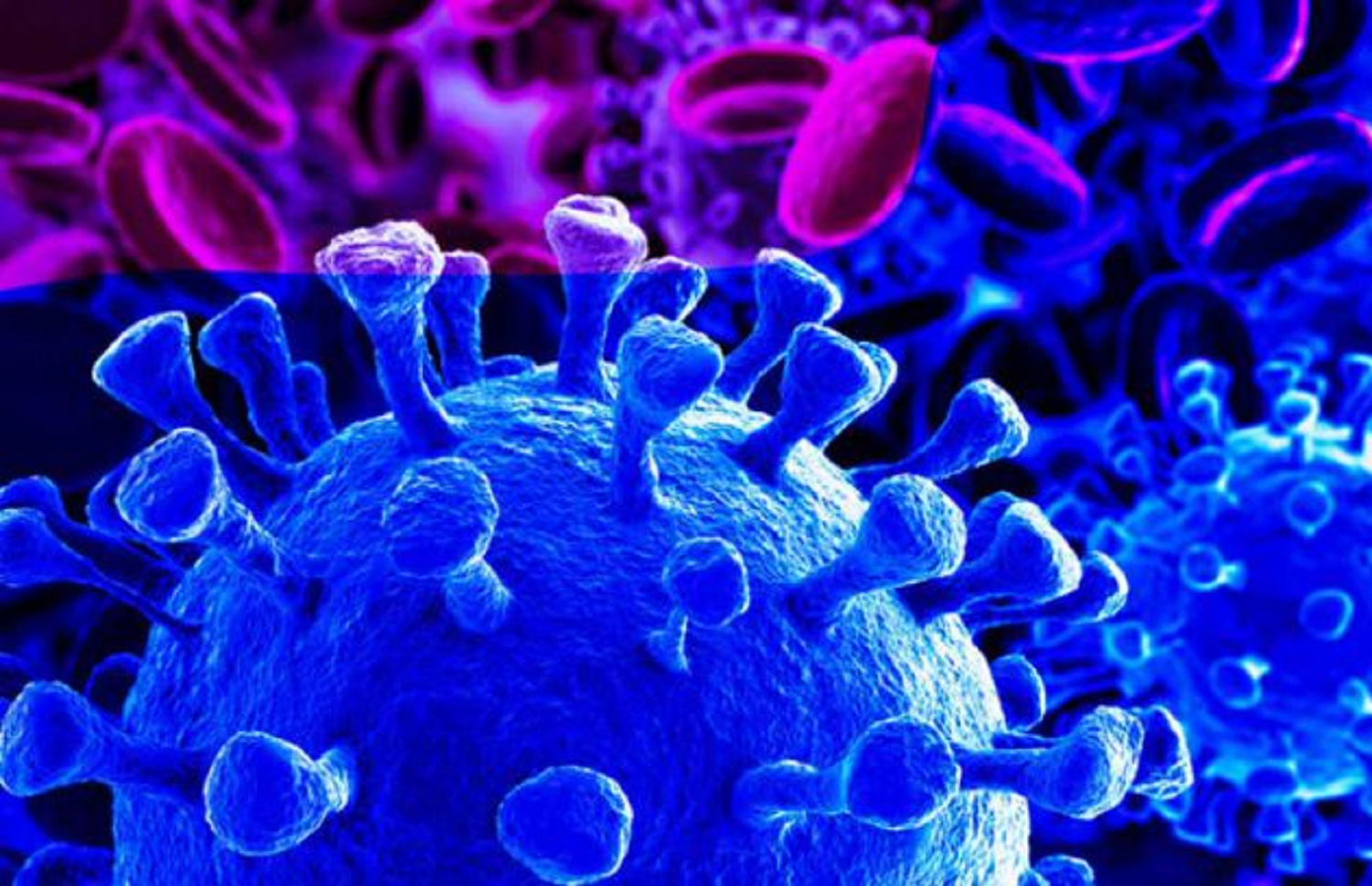
The name “coronavirus” was culled from the word “Corona” which represents crown-like spikes on the outer surface of the virus. The International Committee on Taxonomy of Viruses, ICTV, named the virus as SARS-CoV-2.
Earlier in 2003, the Chinese population was infected with a virus causing Severe Acute Respiratory Syndrome, SARS, in Guangdong province. The infected patients exhibited pneumonia symptoms which led to acute respiratory distress syndrome, ARDS. After the emergence of SARS in Guangdong, China, it spread rapidly around the globe with more than 8000 infected persons and 776 fatalities.
A decade later in 2012, a couple of Saudi Arabian nationals were diagnosed to be infected with another coronavirus. The detected virus was confirmed as a member of coronaviruses and named as the Middle East Respiratory Syndrome Coronavirus, MERS-CoV, which infected more than 2428 individuals and occasioned 838 deaths.
Recently, by the end of 2019, the Chinese government reported several cases of pneumonia which initiated from the Hunan seafood market in Wuhan city of China and rapidly infected more than 50 peoples. Live animals frequently sold at the Hunan seafood market includes bats, frogs, snakes, birds, marmots and rabbits.
Initially, it was suggested that the patients infected with the Wuhan coronavirus may have visited the seafood market where live animals were sold or may have used infected animals or birds as a source of food. However, further investigations revealed that some individuals contracted the infection even with no record of visiting the seafood market.
These observations indicated a human to the human spreading capability of this virus, which was subsequently reported in more than 100 countries in the world.
Border closure: A more effective response to COVID-19: In last week’s edition, I noted human responses to pandemic outbreaks in ancient and modern history which has included scapegoating, acts of penance, quarantine, camphor injections, wearing facemasks, gargling salt water and social distancing.
There, however, exists one preventive measure for the spread of COVID-19 – Border closure. A closed border, according to Wikipedia, is a border that prevents movement of people between different jurisdictions with limited or no exceptions associated with this movement.
It is no news that COVID-19 is an imported disease which originated from China and had transcended over 100 countries world-over. COVID-19 in Africa was first recorded in Egypt on February 14, 2020 while the second case was recorded in Algeria about a week after.
In Nigeria, the first confirmed case of COVID-19 was reported on February 27, 2020, when an Italian who arrived in Lagos tested positive for the virus. On March 9, 2020, a second case was reported in Ewekoro, Ogun State by a Nigerian who had come in contact with the Italian. The rest is history. Despite these incidences, the Federal Government of Nigeria did not announce the closure of all land borders until March 23, 2020 – a period of 25 days after the first reported incidence.
ALSO READ: COVID-19 has stalled Customs recruitment — Official
Without a doubt, if the Nigerian government had been proactive since COVID-19 entered the African continent by shutting all its borders to prevent outsiders from entering the country, perhaps there would have been no recorded incidence of COVID-19 in Nigeria which is sparsely equipped to deal with the health implications of the pandemic in the first place.
Prevention, they say, is better than cure. Even if borders were not immediately shut, adequate quarantine measures ought to have been quickly set up to isolate recent returnees for a specified period of time before being released into the Nigerian society.
However, this was not to be the case as Nigeria’s index case freely entered the country through Lagos, had unbridled contacts with Nigerians all the way to Ewekoro, Ogun State where the second case was reported. The prompt quarantine of foreign returnees in well-equipped isolation centres would, no doubt, have saved the country from the imported coronavirus disease.
Inadequacy of healthcare facilities: As of May 17, 2020, there exist over 5,600 cases of COVID-19 in Nigeria. Unfortunately, however, there is a shortage of testing facilities, isolation centres and medical equipment, including PPEs, to bolster an effective detection and management of COVID-19.
According to reports, the Director-General of NCDC, Dr Chikwe Ihekweazu, was noted to have confirmed this poor state of affairs. There is, therefore, no doubt that Nigeria is still at a shortage of requisite medical facilities and equipment to accommodate and treat the budding rate of infected COVID-19 patients.
Likewise, there is an alarming shortage of medical ventilators which is one of the most important equipment in the treatment of the infected who have developed respiratory issues.
As at April 1, 2020, there were a reported number of 169 ventilators in 16 out of the 36 states, and by April 13, the Federal Government commissioned the first made-in-Nigeria ventilators manufactured by the National Agency for Science, Engineering and Infrastructure, NASENI.
While this is a laudable attempt, there is still a vast shortage of medical-grade ventilators which will, in no small way, improve the nation’s capacity to combat COVID-19.
Disclaimer
Comments expressed here do not reflect the opinions of Vanguard newspapers or any employee thereof.