By Charly Agwam – Bauchi
Residents of communities in Ganjuwa and Ningi local government areas have called on Bauchi state government to provide more support for EU-UNICEF sponsored medical outreaches in Hard-To-Reach communities for sustainable outcomes.
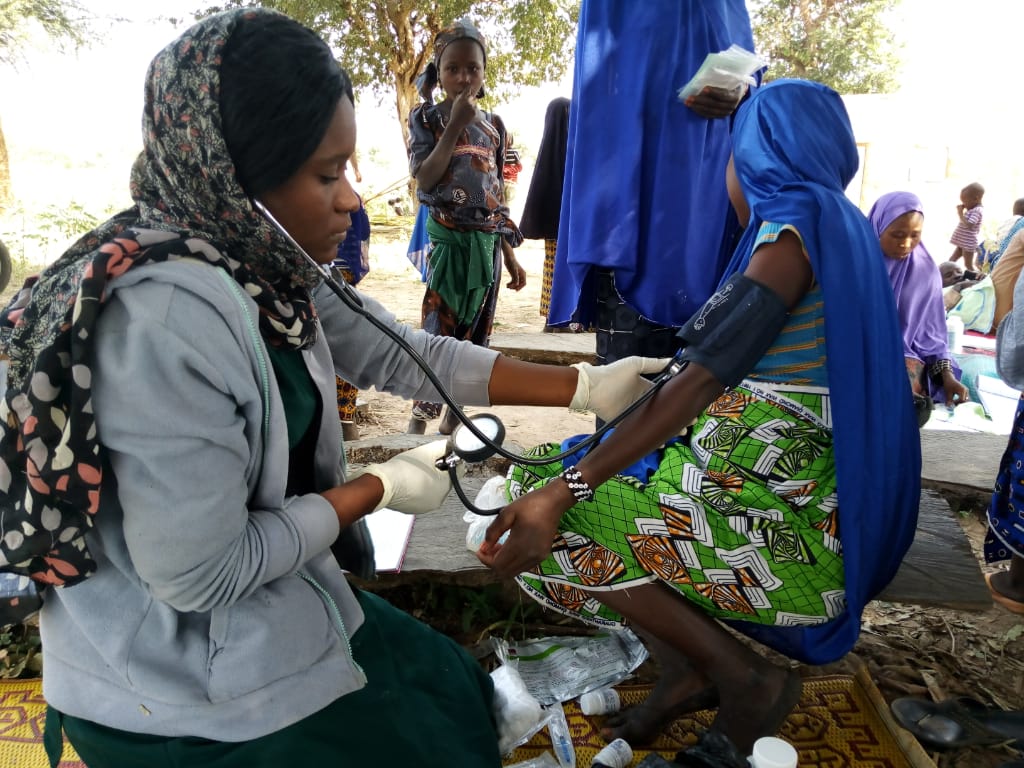
Beneficiaries at Hardo Gaga, Kururu settlements in Ganjuwa and Ningi local government areas respectively told Vanguard on Thursday during an EU-UNICEF medical session where some of the 1,200 trained Volunteer Community Oriented Resource Persons (CORPs) provided medical services to people in Hard-To-Reach (HTR) communities, how they would want Bauchi state government to continue with the programme started by the two international bodies.
Hajiyya Laraba, one of the beneficiaries at Hardo Gaga advocated to the State government to set up structures that will ensure continuity of the intervention, especially for people in Hard-To-Reach communities.
READ ALSO: Flood destroys 4,370 houses, displaces 51,000 people in Cross River
“The impact of this programme can never be overemphasized. Most of us were sickly before the arrival of the EU-UNICEF medical team. You know our community is very far from the township and that makes it hard for us to access medical services like those in the township. In fact, even when we tried, we would spend about N4,000 to visit the hospital and come back because of our bad road. Most of us can not afford that. Luckily for us, medicine for our sicknesses have come to our doorstep at no cost at all.
“I want to plead with the government to help ensure that this programme does not end. I also want to appeal to them to create a better road for us to enable us access medical services easier when it is needed,” she said.
Another beneficiary, Aisha Uthman, a resident of Kururu settlement in Ningi local government area said she wants the government to put structures in place that will manage the implementation and monitoring of the programme for sustainability.
“I appreciate the gesture that the Europeans have brought to us, but it can not last forever. I want to advocate that the government should do whatever it takes to ensure that projects like this that affect the rural people positively continues. I know the governor is trying hard, but I’d like him to do more for us in this regard,” she pleaded.
Vanguard findings revealed that the 1,200 CORPs who have been trained on Integrated Community Case Management (ICCM) of common illnesses such as malaria, pneumonia, and diarrhoea disease in 1,200 settlements, have so far seen and attended to over 93,000 under 5-year children, and treated over 68,000 for malaria, diarrhoea, and pneumonia in those Hard-To-Reach settlements.
Disclaimer
Comments expressed here do not reflect the opinions of Vanguard newspapers or any employee thereof.