File image
Nigeria’s school-abduction crisis has become a grim instrument of terror, ransom, and psychological warfare. Jihadist groups, bandits, and kidnappers have learned that children are especially valuable hostages. Their abduction paralyzes communities, terrifies parents, and places enormous pressure on governments.
Mass school abductions are generally traced to Boko Haram’s seizure of 276 girls from Government Girls Secondary School, Chibok, Borno State, on April 14, 2014. It was a manifestation of the group’s advertised hostility to Western-style education, encapsulated in the slogan associated with its name: “Western education is sinful/forbidden.” Boko Haram and ISWAP have attacked education as an affront to their extremist ideology, while criminal bandits have copied the tactic principally for ransom.
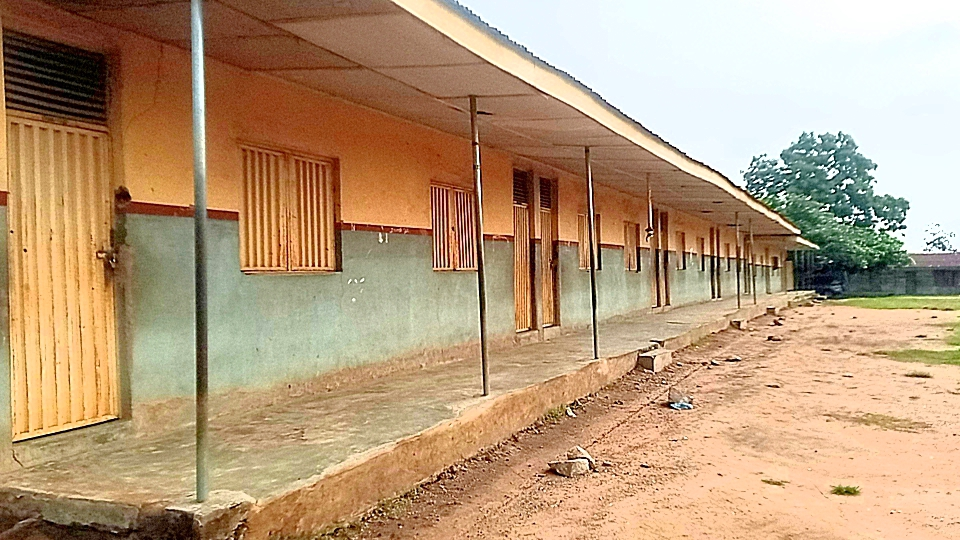
The scale of the resulting disruption is disturbing. Reports have it that 188 public schools have been shut because of insecurity: Benue 55, Katsina 52, Zamfara 39, Niger 30, Sokoto six, and Kaduna six. The investigation excluded Borno, Yobe, and Adamawa, where insurgency has caused extensive educational disruption. Thus, 188 is not even an up-to-date national total. The menace is now reaching the South. In May 2026, gunmen abducted more than 46 pupils, students, and teachers from three schools in Oriire Local Government Area of Oyo State, killing two people. The affected schools included Community Grammar School, Ahoro-Esinele; L.A. Primary School, Ahoro-Esinele; and Baptist Nursery and Primary School, Yawota. Schools in the affected communities remained closed even after the abductees were rescued.
The criminals have discovered a lucrative “business” model: abduct, negotiate, collect ransom, and reinvest the proceeds in more violence. This has transformed children into commodities while weakening the state’s authority. The consequences are profound. Fear keeps children away, teachers leave dangerous areas, learning is interrupted, and traumatized pupils may never return.
Nigeria already has about 20 million children aged five to 14 out of school, according to UNICEF. One in five of the world’s out-of-school children is Nigerian. Insecurity therefore compounds an education crisis threatening the country’s human-capital development. More ominously, terrorists and criminal gangs are dictating where citizens can live, work, and learn. When armed groups can close schools at will, the state’s sovereignty is eroded. Three actions are urgent. First, security agencies must adopt intelligence-led operations to dismantle kidnapping and terrorist networks and rescue hostages. Second, government must secure vulnerable schools and communities through surveillance, early-warning systems, rapid-response units, and community intelligence. Third, the ransom economy must be attacked through financial intelligence, prosecution of financiers and collaborators, and control of illicit arms and criminal supply chains.
The Federal Government and Armed Forces must fulfill their constitutional duty to protect Nigerians and defend the nation’s territorial integrity, working with states and citizens. Nigeria cannot surrender its classrooms and children to criminals. A government that cannot protect the people must expect Nigerians to pass judgment at the 2027 general elections.
Disclaimer
Comments expressed here do not reflect the opinions of Vanguard newspapers or any employee thereof.