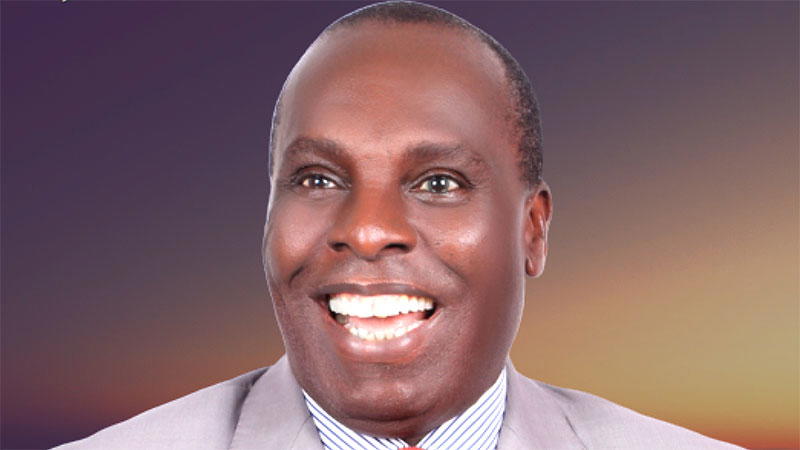
Dr. Leesi Gborogbosi
…Gborogbosi Advises Bidders On Risks Ahead Of Q3 Exercise
By Egufe Yafugborhi
Ahead of the Nigerian Upstream Petroleum Regulatory Commission (NUPRC) launch of the 2026 Licensing Round, oil and gas expert, Sir (Dr.) Leesi Gabriel Gborogbosi has urged prospective bidders to adopt a disciplined, long-term approach to investment and risk management.
NUPRC had announced the 2026 exercise will begin in the third quarter after the completion of the 2025 round, a move it described as reflecting renewed investor confidence in Nigeria’s upstream sector.
Gborogbosi, the Managing Director of Kalenoor Energy Ltd (an E&P oil and gas company), Chief Executive Officer of Gabriel Domale Consulting, and former Shell Nigeria Project Finance Manager, stated that investors must move beyond mere acquisition and treat licensing “as a complete investment programme.”
To understand the full landscape, he advised bidders to study the Petroleum Industry Act 2021, the Nigeria Tax Act 2025, licensing guidelines, and upstream commercial realities before committing capital.
The bidding process, he noted, covers registration, pre-qualification, data acquisition, technical submissions, evaluations, and commercial negotiations, “each with distinct financial implications.”
Urging caution over hidden asset risks, Gborogbosi, drawing from nearly three decades of experience in the industry, warned that many marginal and brownfield assets come with technical, historical, and community related challenges.
Some of these challenges, he noted, require major infrastructure rehabilitation, while host communities often expect immediate social investment after years of inactivity.
“Investors should understand why previous operators divested and incorporate those factors into their investment decisions. The goal should be to operate assets efficiently, sustain production, and avoid prolonged dormancy,” he said.
On cost and funding strategy, bidders, he emphasized, must account for pre-licence “search costs” such as data, reports, and evaluations, many denominated in foreign exchange, alongside signature bonuses and lifecycle costs.
“A successful bid is not determined solely by the acquisition cost but by the ability to sustain profitable operations,” he stated.
He recommended blended financing beyond bank debt, including equity, farm-ins, technical partnerships, vendor financing, drilling-for-equity, and reserves-based lending, adding that a gas-to-power and milestone-based financing can reduce risk and strengthen cash flow.
He called for early preparation, including community engagement, stressing robust front-end planning covering execution, community relations, compliance, and performance monitoring.
These, he said, should reflect in proposals as contributions to reserves growth, energy security, local content, jobs, and government revenue.
Offering Gabriel Domale Consulting to provide advisory support to help investors avoid mistakes of past licensing rounds, Gborogbosi counselled bidders: “Understand the economics, secure expert advice, build sustainable partnerships, and approach licensing with a long-term value-creation mindset.”
Gborogbosi’s academic credentials complement his extensive industry experience, providing a strong intellectual foundation for his advisory work in oil and gas finance, strategy, governance, and indigenous energy development.
He holds an MBA in Finance and Banking and a PhD in Management from the University of Port Harcourt, as well as dual doctorates in Strategy and Business Studies from IE Business School, Madrid, Spain
Disclaimer
Comments expressed here do not reflect the opinions of Vanguard newspapers or any employee thereof.