By Luminous Jannamike
ABUJA – The IA-Foundation has welcomed the Federal Government’s reported plan to review the separation between Junior Secondary School (JSS) and Senior Secondary School (SSS), saying the reform could help keep more children in school but must be backed by broader efforts to tackle Nigeria’s out-of-school children crisis.
The foundation, which operates in both Nigeria and the United Kingdom, said the proposal comes at a time when millions of Nigerian children remain out of school, stressing that changing the structure of secondary education alone will not solve the problem. It said meaningful progress would require sustained collaboration, innovation and accountability across the education system.
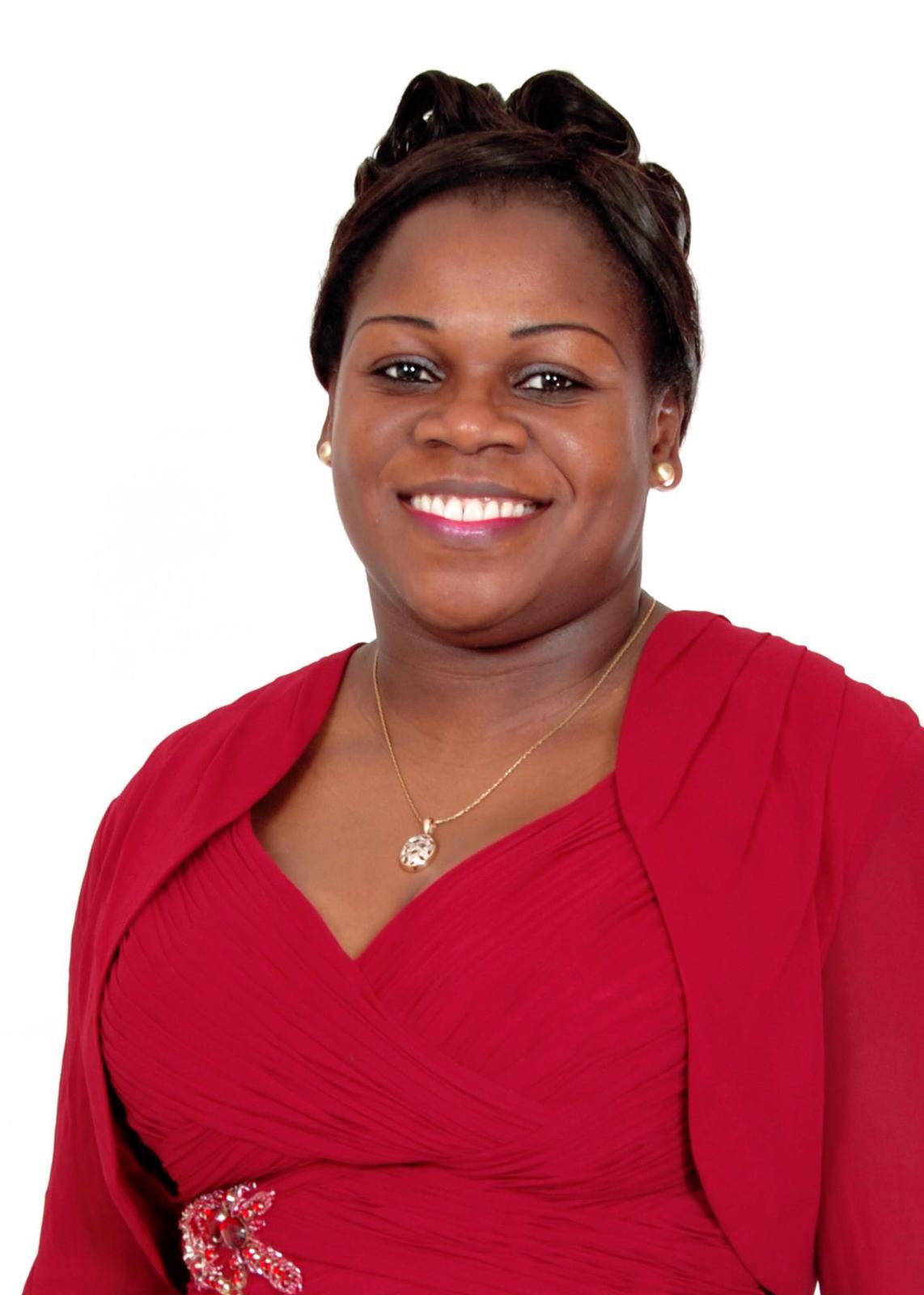
Speaking on the proposal, IA-Foundation founder, Ibironke Adeagbo, said: “Every child who leaves school before completing their education represents lost human potential. We welcome reforms that remove barriers to progression and help children remain in school. However, reducing the number of out-of-school children requires more than structural policy changes. It demands sustained collaboration, innovation and accountability across the entire education ecosystem.”
The Foundation said its position builds on discussions at its education summit held last month, where policymakers, development partners, education stakeholders and other participants explored practical and scalable solutions to Nigeria’s out-of-school children challenge.
At the summit, IA-Foundation presented an Education White Paper aimed at driving policy and advocacy discussions on tackling Nigeria’s out-of-school children crisis. It also unveiled a dedicated online portal designed to connect out-of-school children with sponsors, individuals and organisations willing to support their return to the classroom and expand their access to educational opportunities.
The Foundation said tackling the crisis would require stronger partnerships among government institutions, private sector organisations, philanthropic bodies, schools, communities and civil society groups.
It reaffirmed its commitment to advancing inclusive education through advocacy, partnerships, evidence-led engagement and its convening power to support initiatives aimed at improving educational outcomes and reducing the number of children excluded from formal education.
Disclaimer
Comments expressed here do not reflect the opinions of Vanguard newspapers or any employee thereof.