…Advocate cost-reflective tariffs to attract investment
By Dennis Agbo
State electricity regulators have begun a bottom-up review of Nigeria’s electricity pricing framework, arguing that continued reliance on federal subsidies is discouraging investment and undermining the financial sustainability of the power sector.
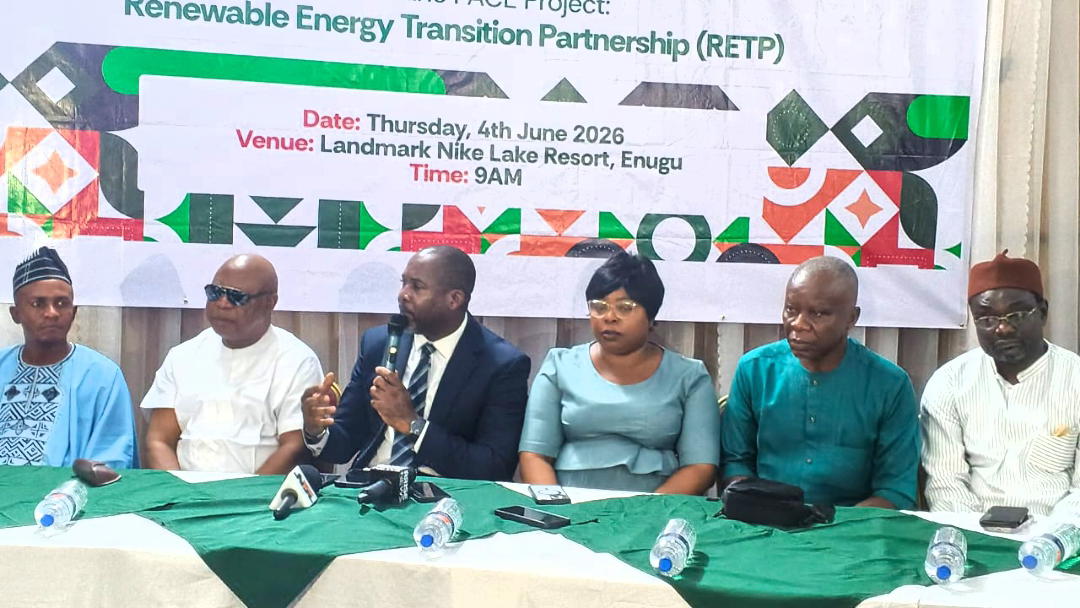
Speaking at a stakeholders’ workshop on electricity pricing reforms and sub-national regulation, regulators said federal intervention in tariff-setting creates uncertainty for investors and hampers the growth of a viable electricity market.
Chairman of the Enugu State Electricity Regulatory Commission, Mr. Chijioke Okonkwo, said state regulators are better positioned to determine appropriate electricity tariffs because they interact directly with operators and consumers.
“Customers have different experiences with the electricity supplied to them. We are reaching a point where we can accurately determine the price consumers should pay based on the service delivered,” Okonkwo said.
He urged states to move away from consumption-based subsidies and instead provide targeted support at the project development stage.
“How can states implement subsidies at the project development phase rather than at the consumption level?” he asked.
Okonkwo said the objective is to encourage productive electricity use while ensuring operators recover their costs and remain financially viable.
He described the reform effort as a grassroots-driven process.
“We are on the ground and directly interfacing with operators. At the sub-national level, we can develop regulations that have a direct impact on the people,” he said.
According to him, the federal government’s subsidy regime is weakening investor confidence in the sector.
“When subsidies are heavily involved, investors become hesitant because policies can change at any time. Power sector investments are long-term commitments that require certainty and reliable contractual frameworks,” he said.
Okonkwo added that states are working toward tariff structures that cover the full cost of generation, transmission and distribution, enabling operators to reinvest in infrastructure.
“We are proposing that customers pay for what they consume. That approach will give investors confidence that they can recover their investments,” he said.
Benue State Commissioner for Power, Renewable Energy and Transport, Hon. Joseph Ter Jir, described the workshop as a key step toward aligning state electricity regulations with federal policy.
“Legal backing is the first step. The outcomes of this workshop will influence policy decisions not only at the federal level but also across state executive councils,” he said.
Ter Jir said the long-term goal is for the federal government to gradually reduce its role in electricity subsidies, drawing parallels with the telecommunications sector, where competition and cost recovery have driven expansion.
Executive Director of Legal and Regulatory Services at the Abia State Electricity Regulatory Authority, Mr. Iguwo Ukwu, stressed that tariff reforms must protect vulnerable groups, including low-income households, rural communities, schools and hospitals.
“Subsidies must be viewed from different perspectives, including support mechanisms for electricity bills where necessary,” he said.
Ukwu disclosed that Abia State is conducting a tariff review to determine the actual costs of electricity generation, transmission and distribution, with contributions from consumers, industries, distribution companies, civil society groups and traditional rulers.
“That process helps build trust and reduces resistance to reforms,” he said.
He also emphasized the need for infrastructure upgrades to reduce technical losses, noting that consumers are more willing to pay when service delivery improves.
Declaring the workshop open on behalf of Governor Peter Mbah, the Secretary to the Enugu State Government, Prof. Chidiebere Onyia, said states now have unprecedented opportunities to shape their electricity future through sub-national electricity markets.
He noted that Enugu has already implemented the Electricity Act through the enactment of the Enugu State Electricity Law and the establishment of the Enugu State Electricity Regulatory Commission.
According to Onyia, the success of emerging state electricity markets will depend on pricing frameworks that balance affordability for consumers with cost recovery for operators and long-term sector sustainability.
He said tariff structures would play a critical role in attracting investment, improving operational efficiency, enhancing reliability and ensuring the success of electricity sector reforms.
“The decisions made today will have far-reaching implications for households, businesses, industries and future generations,” Onyia said, urging stakeholders to work together to build competitive and efficient electricity markets capable of driving economic transformation.
Disclaimer
Comments expressed here do not reflect the opinions of Vanguard newspapers or any employee thereof.