By Musa Ubandawaki, Sokoto
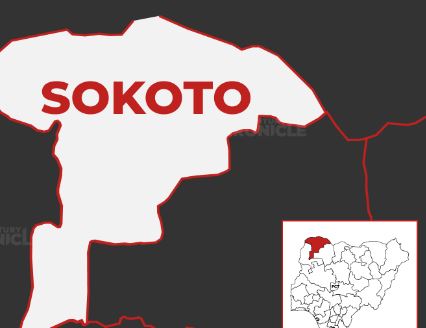
SOKOTO; At a time when public sector recruitment in many parts of Nigeria is often criticized for favouritism, political patronage and lack of transparency, the recent recruitment of 2,000 workers into the Sokoto State Civil Service by Governor Ahmad Aliyu has drawn attention as a model of merit driven governance and institutional reform.
For many residents, the exercise represented more than a routine employment process. It signalled a deliberate effort to restore public confidence in government recruitment by ensuring that qualified candidates were given equal opportunities regardless of political affiliation, social status or personal connections.
Observers note that over the years, recruitment exercises across various levels of government have frequently been marred by allegations of nepotism and political influence, leaving many qualified young graduates discouraged from applying for public service positions.
The widespread perception that vacancies are often predetermined before advertisements are issued has contributed to growing distrust among job seekers nationwide.
Against this backdrop, the Sokoto recruitment exercise has been widely commended by beneficiaries and stakeholders who described the process as transparent, competitive and merit based. Several successful applicants reportedly acknowledged that their selection was based on qualifications and performance rather than political considerations, a development many believe strengthens the credibility of public institutions and promotes equal opportunity.
Commenting on the significance of the exercise, some beneficiaries described it as a turning point in public service recruitment.
According to them, “The process gave many qualified young people confidence that hard work, education and competence can still be rewarded in government service.” Others maintained that the exercise demonstrated that recruitment can be conducted fairly when transparency and accountability are prioritized.
Analysts argue that recruitment into the civil service is one of the most critical responsibilities of government because the quality of public administration ultimately depends on the competence and professionalism of its workforce.They contend that strengthening institutions begins with attracting capable teachers, administrators, health workers and other professionals who can drive development and improve service delivery.
The exercise is also being viewed as part of a broader effort by the Sokoto State Government to build a responsive and efficient public service capable of meeting contemporary governance challenges. By opening opportunities to qualified candidates from different backgrounds, the administration has reinforced the principle that public institutions should serve the collective interest rather than narrow political interests.
Beyond the immediate benefit of employment, the recruitment exercise has restored hope among many young people who had become increasingly sceptical about opportunities within the public sector. For many applicants, the process conveyed a powerful message that merit and competence remain relevant criteria for advancement in public service.
Political observers believe the long term impact of the exercise could extend far beyond the current administration. Many of those recruited today may eventually rise through the ranks to occupy strategic positions as directors, permanent secretaries and policy makers.
The values of fairness, transparency and equal opportunity that shaped their entry into service could, in turn, influence the future culture of governance in the state.
As debates continue across Nigeria on how to strengthen public institutions and improve governance, Sokoto’s experience offers an example of how transparent recruitment can help rebuild public trust, empower young professionals and promote a more accountable civil service.
For many residents, the exercise has become a symbol of a governance approach that places merit, inclusion and public interest at the centre of decision making a standard they believe other states may find worthy of emulation.
Disclaimer
Comments expressed here do not reflect the opinions of Vanguard newspapers or any employee thereof.