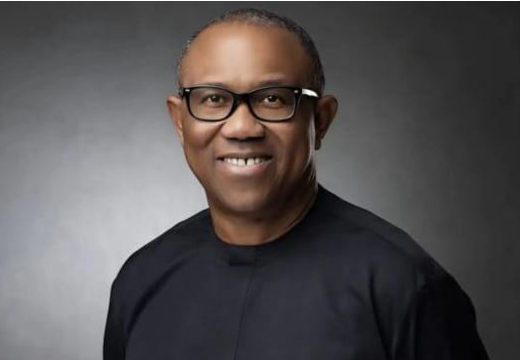
Peter Obi
By Hamilton Odunze
“Peter Obi is an off-ramp for a Nigerian train headed to disaster town.”
I made this argument in 2022, when Peter Obi ran for president against Bola Ahmed Tinubu. Looking back on 2022 now feels like a lifetime ago for many Nigerians. Unfortunately, the situation in Nigeria has only worsened since then. Nigeria still needs a way to redirect the train heading toward a catastrophic outcome, and it must change course. I am still engaged in that discussion because, as long as Peter Obi continues his presidential campaign, he offers an alternative vision for Nigeria’s future and remains an off-ramp for a Nigerian train still heading toward disaster. This time, the stakes for the country are particularly high, and Obi represents a significant historical opportunity that Nigeria cannot afford to overlook. The nation has missed many chances to restore safety, unity, hope, and economic progress. Here we are with another Obi chance.
Nigeria is a resilient nation that continues to move forward despite numerous missed opportunities. However, at this critical juncture, missing another chance could be the final blow that breaks the camel’s back. Stay with me as I make my case. Let’s take a stroll down memory lane. Do you remember the June 12, 1993, election? It has been 33 years, and many Nigerians now seeking the mandate to run the nation were either too young or not yet born. I was young, too, but I remember it vividly. Let me review the situation in Nigeria at the time. 1993 marked the beginning of what we call Nigeria’s Second Republic. The country was under a military dictatorship, but the upcoming elections offered hope for a better future for the people. As political parties campaigned, it became clear that the people wanted a chance at democracy. They sought the opportunity to elect their own leaders in a free and fair election, as civilized nations do. The Nigerian economy was relatively strong because the oil boom had just ended in 1980, and the Naira was strong. It appeared that the only thing missing from Nigerians’ lives was the freedom to elect their leaders.
When Ibrahim Badamasi Babangida (IBB) announced his plan to transition Nigeria to democracy, Nigerians welcomed the news with great enthusiasm. The announcement was celebrated both in Nigeria and around the world. On June 12, 1993, Nigerians turned out to vote for Moshood Abiola. People from all regions of the country, from the North to the South and from the East to the West, came out to support him, demonstrating a united front regardless of region. They voted for him because he was the most capable and trustworthy candidate. The June 12, 1993, election is widely regarded by Nigerians and many international observers as the most credible in Nigeria’s history. It embodied the nation’s true spirit, transcending regional, ethnic, and religious divides. Most importantly, it demonstrated that Nigerians desired a country where merit, rather than patronage, would determine election outcomes.
When IBB annulled the election, he dashed Nigerians’ hopes, earning him the nickname Maradona. This action eroded the foundation for transparent elections in Nigeria and heightened ethnic tensions. Religious intolerance came to the fore in Nigeria’s political discourse. Today, Nigeria is one of the world’s most violent and ungovernable societies. Everything that transpired during the election and the subsequent annulment was a missed opportunity for Nigeria. Despite claims of widespread corruption among Nigerians, the reality is that they are tired. They have endured enough suffering and are now seeking responsible leadership and role models. This election period marks a pivotal moment in Nigeria’s history. The current state of affairs cannot continue; it is crucial to make the right choices now. Failure to do so could push the country to a point of no return, leading to disaster. It is my proverbial disaster town.
If you believe opportunities come only once, Nigeria is an exception to that rule. Once again, providence has offered Nigeria another off-ramp to keep the Nigerian train from arriving at disaster town. If Nigeria does not take the off-ramp, it will be a catastrophic crash. Peter Obi presents the off-ramp Nigeria missed with Moshood Abiola. If you ask me how I know, I will point to Peter Obi’s campaign. The crowds, the enthusiasm, and the hope shining in the eyes of everyday Nigerians as they talk about him are all tangible. Like Abiola, Obi represents the potential for a fresh start for Nigeria. He may not be perfect, but among the candidates in the race, Obi’s record is arguably the strongest.
What we must do as Nigerians
Nigerians must be prepared to defend their votes and the democratic process.
Democracy is fundamentally a process that encompasses campaigns and elections. I cannot confidently claim that Peter Obi is a guaranteed winner. However, I urge Nigerians to be prepared to defend their votes and uphold the democratic process. The future of Nigeria hangs in the balance, and if the candidates are wise, they should commit to ensuring a free and fair election. It is the only way to ensure Nigeria’s survival. The candidates must understand that a violent revolution is gaining momentum in Nigeria. The only way to address this revolution is to ensure that Nigerians have the opportunity to vote in free and fair elections. However, history shows that those in power often fail to see the signs of an impending revolution beneath them. They often misjudge the will of the people until it is too late. Take Julius Caesar, for example. He was unaware of a looming violent revolution until it was too late. He trusted the people around him, believing he was too powerful to fall.
John F. Kennedy once said, “Those who make peaceful revolution impossible make violent revolution inevitable.” He made this statement on the first anniversary of the Alliance for Progress, March 13, 1962. This quote effectively illustrates the point I want to emphasize. Unfortunately, the status quo in Nigeria actively suppresses democracy. Like Caesar, they may soon face a harsh awakening, as anger toward them in Nigeria is palpable.
• Hamilton Odunze, a public affairs analyst, wrote from Lagos
Disclaimer
Comments expressed here do not reflect the opinions of Vanguard newspapers or any employee thereof.