*Insist many of the deaths are preventable
By Olayinka Ajayi
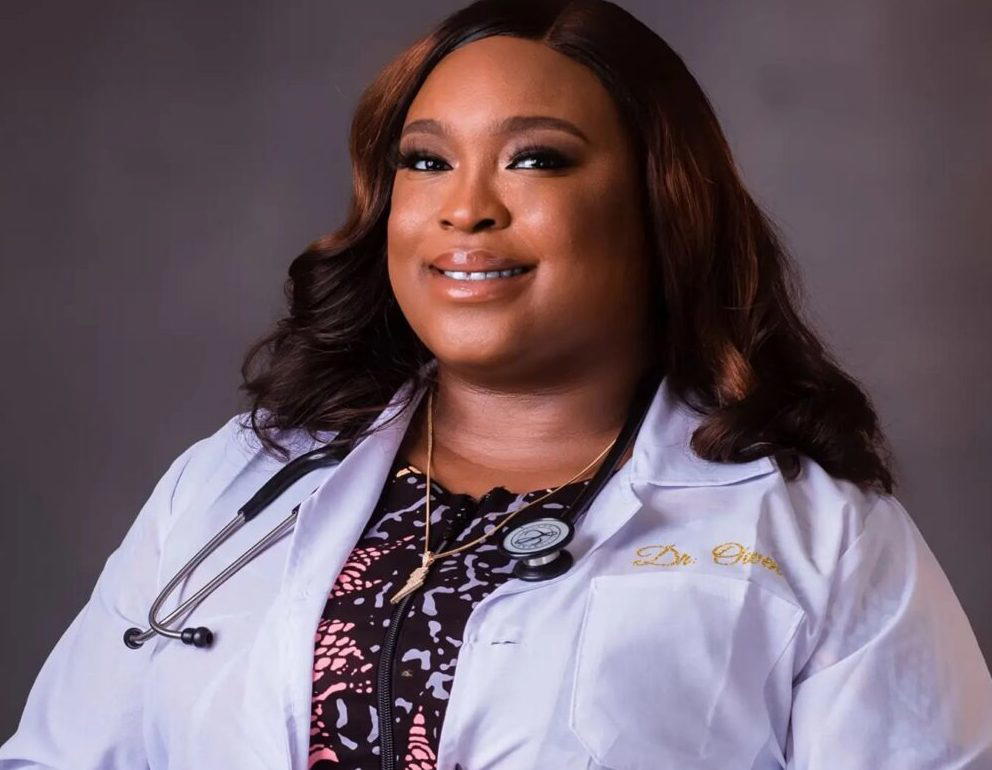
Maternal healthcare expert and CEO of HIGC Health Consultants, Dr. Owen Omo-Ojo, has said maternal mortality remains a major public health challenge in Africa despite advances in antenatal care. She gave the assertion during the 6th Maternal and Child Health Summit held in Lagos today.
While commending the organisers, Safer Hands, Omo-Ojo, in her goodwill message, said the summit has become one of Nigeria’s foremost platforms for advancing dialogue, collaboration, and innovation across the maternal and child health landscape.
She said, “The theme of the summit, ‘Advancing Maternal and Child Health Through Community-Based and Technology-Driven Care,’ is both timely and deeply relevant. It reminds us that maternal health cannot be improved by facility-based care alone. The journey to safe motherhood begins at the community level, continues through pregnancy, delivery, and the postpartum period, and depends largely on a health system that is well-prepared, responsive, inclusive, well-funded, and equipped to act quickly.
“As a public health physician and maternal health advocate, one area that remains very close to my heart is the prevention of maternal mortality from postpartum haemorrhage, also known as PPH. PPH continues to claim the lives of women who should have lived through childbirth. Many of these deaths are preventable when bleeding is detected early, when health workers are properly trained, when essential commodities are available, and when referral systems are functional. This is why evidence-based solutions such as E-MOTIVE are so important, and why HIGC Health Consultants continues to drive its adoption, not only in public healthcare institutions but also in private hospitals and clinics, where about 70% of healthcare access in Nigeria actually occurs.
“The use of calibrated blood collection drapes and the E-MOTIVE rapid treatment bundle helps take away guesswork, improves early detection, and supports timely intervention. It is simple. It is practical. It is scalable. Most importantly, there is overwhelming data to show that it actually saves lives.
“However, no single intervention, organisation, or sector can solve the maternal health challenge alone, as the challenges are multifaceted. The sessions outlined for today speak strongly to this reality. We will be hearing about government-led innovations, healthcare financing, community integration, digital health, and multi-level approaches to reducing maternal mortality. These are exactly the kinds of conversations we need if we are serious about moving from intention to implementation.
“We must remain committed to supporting safe motherhood through frontline health worker training, health systems strengthening, community health interventions, and partnerships that deliver measurable impact. We must continue to uphold and champion the belief that every woman deserves respectful, timely, and quality care, regardless of where she lives or what she earns.
“As we engage today, my charge to all of us is simple: let this summit not end as just another event. Let it become a point of renewed commitment. Let the ideas shared here become policies, programs, partnerships, and practical interventions that reach the women who need them most. When a mother lives, a child has a better chance at a bright future. A family is protected. A community is strengthened, and a nation is preserved.”
On her part, the President of the Medical Women’s Association of Nigeria, MWAN, Lagos Branch, Dr. Ime Okon, said despite the obvious challenges in maternal and childbirth in Africa, “The future of maternal and child health will not be defined solely by hospitals or specialists, but by how effectively we connect people, communities, and technology into one seamless system of care.
“If we get this right, we will not only reduce mortality—we will build trust, dignity, and resilience into our health systems. “Let us commit today to a future where no woman is left behind in pregnancy, and no child is denied a fair start in life—regardless of where they are born.” The experts further called for the adoption of Artificial Intelligence, AI, in curtailing maternal death, saying AI has the potential to enhance the quality of care in antenatal care, reduce human error, and strengthen health system performance. “AI should come to the forefront of antenatal care in Sub-Saharan Africa as it plays a pivotal role in improving maternal and fetal outcomes, and effective integration will, however, require addressing the related challenges.”
Disclaimer
Comments expressed here do not reflect the opinions of Vanguard newspapers or any employee thereof.