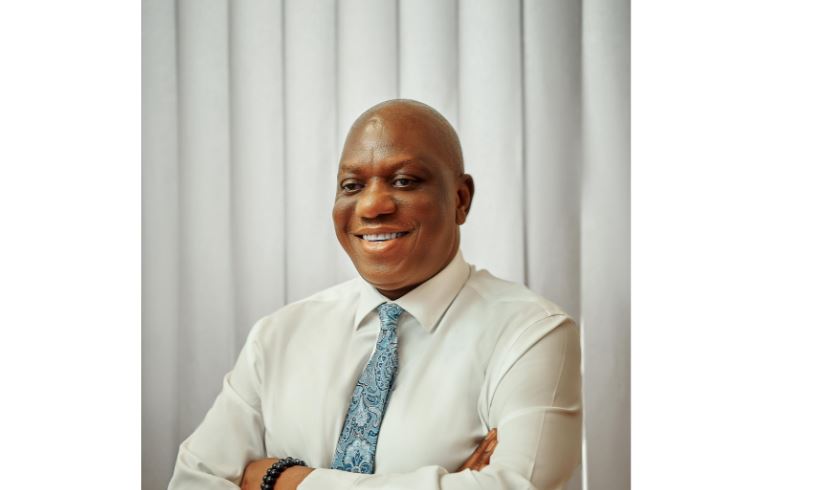
By Ibrahim Hassan-Wuyo
As discussions ahead of the 2027 general elections gather momentum across Kaduna State, questions of representation, performance, and leadership effectiveness are increasingly shaping political conversations.
In Southern Kaduna Senatorial District, one name that continues to attract attention is Senator Sunday Marshall Katung, whose first tenure in the Senate has generated considerable interest among political stakeholders and constituents.
Senator Katung did not emerge on the national stage by accident. His political journey has been shaped by years of public service, beginning with his tenure in the House of Representatives, where he built a reputation as a diligent legislator committed to grassroots development. His transition to the Senate represented a natural progression in a career defined by legislative engagement and public advocacy. He also served as a commissioner in Kaduna State.
Beyond politics, Katung is an accomplished legal practitioner whose professional experience has equipped him with the skills required to navigate the complexities of modern governance. His legal background has strengthened his legislative interventions and enhanced his ability to negotiate, build consensus, and advance the interests of his constituents within the National Assembly.
One of Senator Katung’s greatest assets is his extensive network of relationships within Nigeria and internationally. Over the years, he has cultivated connections across political, diplomatic, business, and professional circles. Such relationships have become increasingly valuable in attracting opportunities and development initiatives to Southern Kaduna.
His international standing is further reflected in his family profile. His wife, Councillor Abigail Katung, made history as Lord Mayor of Leeds in the United Kingdom, bringing global recognition to the family and, by extension, to Southern Kaduna. This unique exposure has expanded the senator’s reach and enhanced opportunities for international engagement and collaboration.
Legislatively, Senator Katung has demonstrated a commitment to using the Senate as a platform for development. Among his most notable achievements is his role in facilitating the establishment of the Federal University of Applied Sciences in Kachia, a landmark institution expected to transform educational opportunities in Southern Kaduna and beyond.
The significance of the university cannot be overstated. Beyond providing access to quality higher education, the institution is expected to stimulate economic activity, create jobs, attract investments, and position Kachia as an emerging educational hub in Northern Nigeria. The long-term benefits are likely to extend across generations.
Equally important is the establishment of a Federal Medical Centre in the region. Access to quality healthcare remains a major challenge in many parts of the country, and the senator’s efforts in facilitating such a critical institution demonstrate an understanding of the practical needs of his constituents.
The medical centre promises improved healthcare delivery while also creating employment opportunities for medical professionals and support staff.
The economic implications of these achievements are already becoming evident. Educational and healthcare institutions of this scale naturally attract businesses, service providers, and government investments. Consequently, many young people stand to benefit from direct and indirect employment opportunities arising from these projects.
Another notable aspect of Senator Katung’s tenure has been his ability to attract influential personalities and investors to Southern Kaduna. Through strategic engagement and advocacy, he has introduced high-net-worth individuals and development partners to the vast economic potential of the region, laying the foundation for future investments in agriculture, education, tourism, and small-scale industries.
Supporters argue that these efforts are gradually changing perceptions about Southern Kaduna. For decades, the region has been known primarily for its educated and highly skilled workforce. Increasingly, however, it is also being viewed as a destination for investment and economic growth. Such a transformation requires leadership capable of connecting local opportunities with national and international networks.
Perhaps one of the most consequential political developments in recent times was Senator Katung’s decision to leave the Peoples Democratic Party (PDP) and join the ruling All Progressives Congress (APC). While political defections often generate controversy, many observers believe that his move has strengthened Southern Kaduna’s access to the corridors of power at the federal level.
Proponents of this view contend that alignment with the ruling party places the senatorial district in a stronger position to attract federal projects, appointments, and development initiatives. They argue that the move has helped integrate Southern Kaduna more fully into national political calculations, thereby increasing its visibility and influence within mainstream politics.
Political analysts also suggest that continuity in leadership could prove beneficial for the region. Major projects such as universities, medical centres, and investment initiatives often require sustained legislative support and political advocacy. A second term would provide Senator Katung with the opportunity to consolidate ongoing projects and ensure that their intended benefits are fully realised.
Looking beyond 2027, some analysts envision a broader political future for Southern Kaduna. They argue that if Senator Katung successfully completes a second term by 2031 and continues to build bridges across Kaduna State, the longstanding conversation about power rotation could gain renewed momentum.
In such a scenario, Southern Kaduna may be well positioned to make a strong case for occupying Sir Kashim Ibrahim House, the seat of power in Kaduna State.
Whether or not that prospect materialises, supporters maintain that Senator Marshall Katung’s experience, legislative accomplishments, national connections, and development-oriented agenda provide a compelling argument for his re-election in 2027.
Disclaimer
Comments expressed here do not reflect the opinions of Vanguard newspapers or any employee thereof.