By Esther Onyegbula
A new digital healthcare platform, Zamda Health (ZH), has entered Nigeria’s health technology space with a promise to bridge critical gaps in access to medicines, doctor consultations and pharmaceutical services through an integrated technology-driven system.
The company said the platform was designed to help Nigerians avoid long hospital queues, difficulties in locating medications, drug interaction risks and delays in accessing medical professionals by connecting users directly to pharmacies, doctors and delivery services.
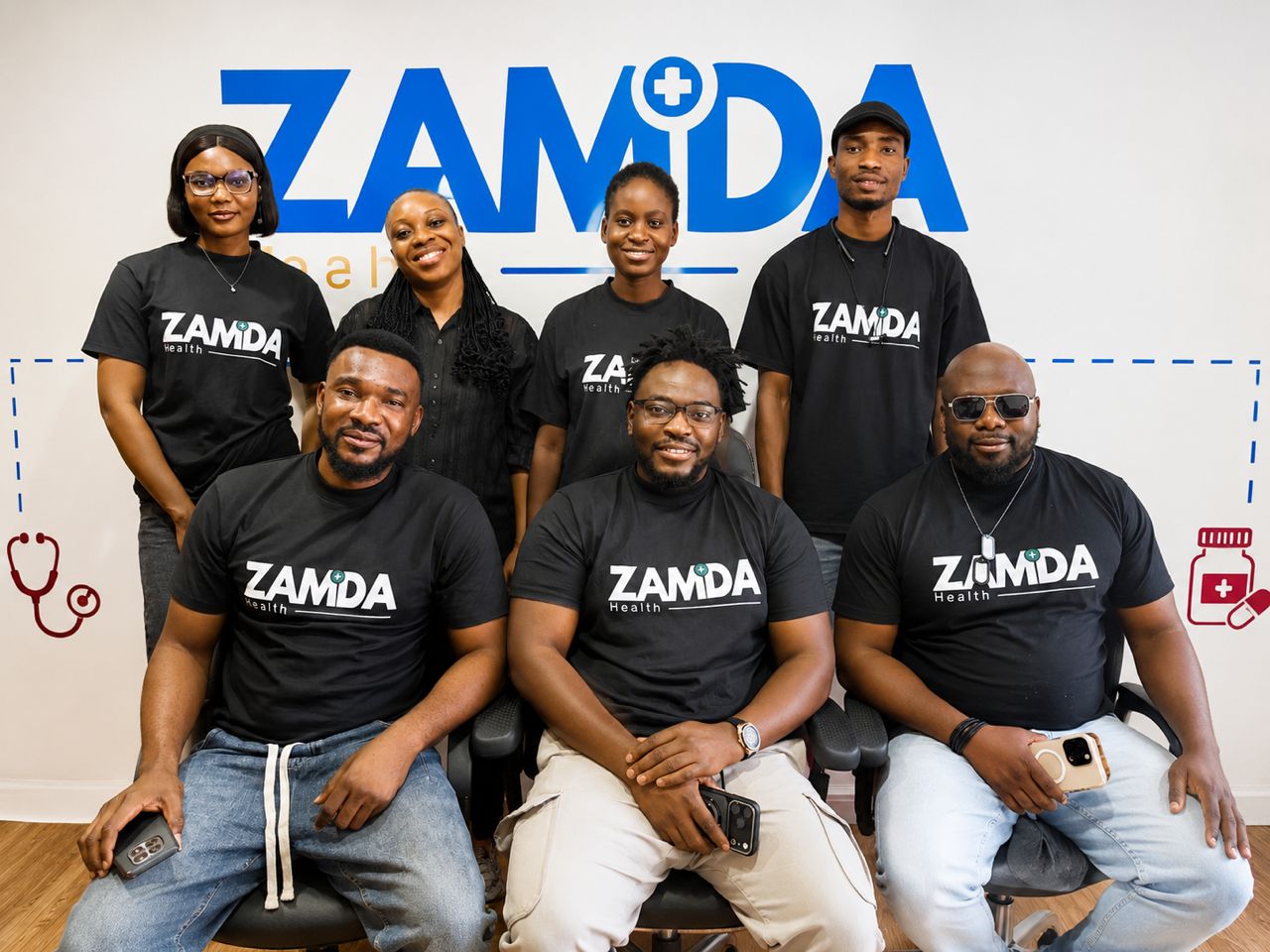
Speaking during the unveiling of the platform, Co-founder of Zamda Health and pharmacist, Emmanuel Obinna Ekwealor, said the initiative was inspired by a personal experience involving his mother’s struggle to access arthritis medication.
According to him, repeated visits to different pharmacies without success exposed the wider healthcare challenges many Nigerians face daily.
“I’m based in the UK, and at one point I wanted to get some medications for my mum because she has arthritis. She had to go to four or five pharmacies looking for medications and still could not get them,” he said.
Ekwealor explained that the situation became more complicated after an alternative medication prescribed later reacted with drugs she was already taking.
“Imagine someone with arthritis moving from one pharmacy to another and still not finding the drugs. At the end of the day, an alternative medication was suggested that later had interactions with what she was already taking. It defeated the whole purpose of quality healthcare,” he stated.
He said the experience laid the foundation for Zamda Health, which he described as a healthcare infrastructure platform that allows users to search for medicines, compare prices, consult doctors remotely and maintain digital health records from one location.
Unlike conventional online pharmacies that focus mainly on medication delivery, the company said Zamda was built as an integrated healthcare ecosystem.
According to Ekwealor, one of the platform’s key features is its ability to detect possible drug interactions and allergy risks before medication purchases are completed.
“For example, if someone is taking medications that are not supposed to be used together, the system can detect the interaction before payment is made and warn the patient,” he said.
“If someone has allergies, the system can also detect medications that may contain substances the patient reacts to. We are trying to prevent life-threatening situations before they happen.”
The company disclosed that users would be able to upload prescriptions directly on the application for pharmacist review before processing and delivery.
“You don’t need to leave your office or home to look for medications. From your comfort zone, you can speak to a doctor, submit prescriptions and get them sorted out,” Ekwealor added.
Addressing concerns about misuse of drugs, he noted that access to the platform would be restricted to adults aged 18 years and above, while prescription-only medicines would require strict verification.
“We do not sell prescription-only medications to the general public without proper verification,” he said.
“Before such medicines are dispensed, users must submit verifiable prescriptions which pharmacies will authenticate.”
He added that antibiotics and other controlled medications would undergo additional checks by in-house pharmacists before approval.
A major feature of the platform, according to the company, is telemedicine consultation, which it says would provide Nigerians with quicker and cheaper access to doctors.
“With as little as N2,000, you can speak with a doctor within less than 15 minutes,” Ekwealor stated.
He disclosed that the platform already has medical professionals from different specialties, including general practitioners and gynaecologists.
“They are going to have proper consultations and recommend medications where necessary,” he said, adding that doctors could also request laboratory investigations where physical examinations become necessary.
The company further revealed plans to expand into home healthcare services where doctors and laboratory personnel could visit patients in homes and offices.
On pharmacy integration, Ekwealor said Zamda had already begun onboarding pharmacies through its point-of-sale system known as ZamPOS.
According to him, over 20 pharmacies on Lagos Mainland are currently connected to the system, while additional pharmacies in Abuja, Anambra and Enugu are also joining the network.
“Currently we have over 20 pharmacies using our point-of-sale system on the mainland. Anybody joining the platform already has access to those pharmacies, and this is just the beginning,” he said.
Chief Operating Officer of Zamda, Sunday Emmanuel Odu, admitted that introducing a technology-driven healthcare system initially generated scepticism among stakeholders.
“At first we were sceptical because when you bring something new, people are always hesitant,” he said.
“Traditional point-of-sale systems simply input products and process sales, but ours comes with many technology-driven features.”
Despite initial doubts, Odu said pharmacies had responded positively to the innovation.
“We didn’t expect the level of acceptance we are seeing now. Many pharmacies are already on board and more are joining,” he added.
He explained that the company deliberately delayed launching the mobile application until enough pharmacies had joined the ecosystem.
“The products people will see on the app are coming directly from pharmacy shelves, so we needed enough pharmacies onboard before launch,” he said.
Also speaking, Director of Marketing at Zamda, Adekule Otitonju, said the consultation feature would likely become one of the strongest attractions for users.
Otitonju, who said he had worked with hospitals in England, noted that technology had transformed healthcare delivery abroad and could achieve similar results in Nigeria.
“What we are bringing into the market is something designed to make life easier for Nigerians,” he said.
“The consultation aspect will be a major selling point because many people simply want access to healthcare professionals quickly.”
He acknowledged that adoption challenges may arise but maintained that the model remained achievable.
“In the Western world it works, and although there may be challenges here, it does not mean it cannot work,” he stated.
Beyond consultations and medicine delivery, the company said it also hopes to support efforts against counterfeit and expired drugs in Nigeria.
Chief Technology Officer of Zamda Health, Hillary Chukwuebuka Ekwealor, said the platform was being designed to track medicine expiry dates and verify product authenticity.
“We make sure pharmacies track expiry dates and ensure expired drugs do not appear on the platform,” he said.
According to him, the system could also assist regulators during drug recalls.
“If there is a recall of a medicine batch, the system can identify pharmacies carrying those products and notify them immediately,” he explained.
He added that the company was developing systems to verify medication serial numbers and regulatory registration details to reduce the circulation of counterfeit medicines.
“We want to make sure counterfeit products do not find their way into the market,” he said.
While many digital healthcare solutions remain concentrated in urban centres, Zamda said its long-term plans include expanding services to underserved rural communities.
Ekwealor argued that technology could help address persistent healthcare access challenges in remote areas.
“Some villages may have just one clinic or no hospital at all,” he said.
“If people can sit in their homes and talk to doctors and get medications quickly, that is the way forward.”
The company also disclosed plans to expand internationally by onboarding medical professionals from the United Kingdom, Canada and the United States.
“What we are building is not just for Nigeria. We believe this is something that can solve healthcare problems globally. It will be a Nigerian solution taking its place on the world map,” Ekwealor said.
According to the company, the Zamda Health mobile application will include medicine ordering and delivery services, telemedicine consultations, AI-assisted symptom checks, prescription storage, medication reminders, drug interaction alerts, family profiles and predictive healthcare tools.
For Zamda Health, the challenge now lies in whether Nigerians will embrace the technology-driven model at a scale capable of transforming access to healthcare services in the country.
Disclaimer
Comments expressed here do not reflect the opinions of Vanguard newspapers or any employee thereof.