By Chioma Obinna
Medical experts under the aegis of the Society of Lifestyle Medicine of Nigeria, SOLONg, on Wednesday raised concerns over the growing wave of lifestyle-related diseases in the country, warning that unhealthy eating habits, poor sleep, stress and physical inactivity are pushing more Nigerians toward early death.
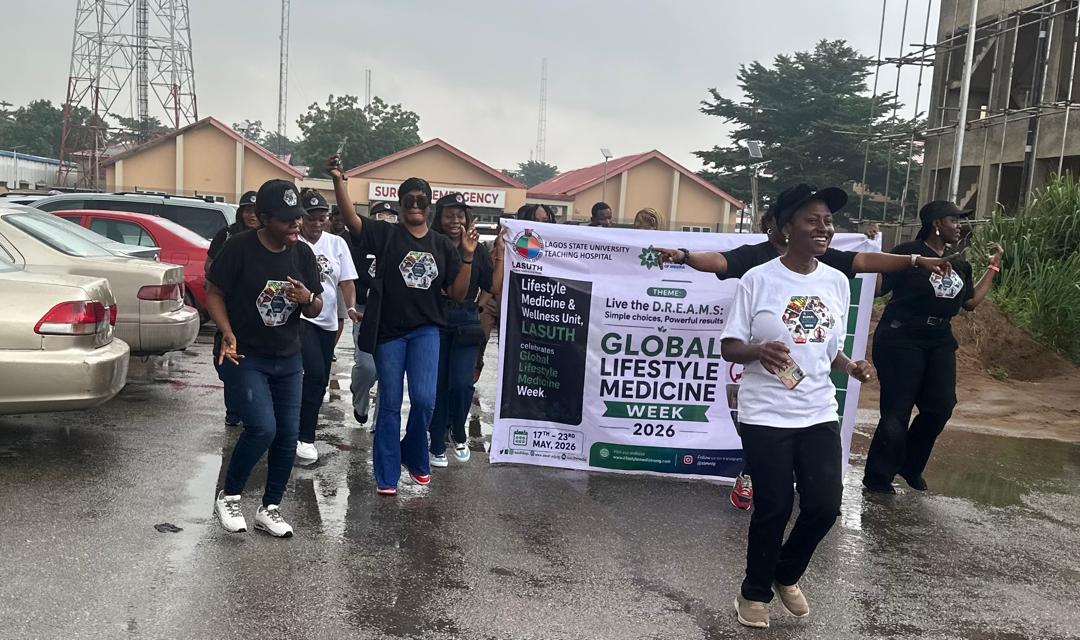
The warning came as the group marked the 2026 Global Lifestyle Medicine Week with the theme: “Live The D.R.E.A.M.S: Simple Choices, Powerful Results.”
Speaking during a Walk/Awareness campaign to mark the day in Lagos, the President of the Society, Dr Moyosore Makinde, said diseases such as hypertension, diabetes, obesity, high cholesterol and cardiovascular conditions were increasingly becoming rampant because of poor lifestyle choices.
According to her, many of the illnesses overwhelming hospitals today are preventable if Nigerians adopt healthier daily habits.
“We are here to celebrate healthy habits and encourage people to adopt lifestyles that can prevent, treat and even reverse chronic diseases. These lifestyle-related diseases are now the leading causes of death globally, and what we have discovered is that the root cause lies in our behaviour and daily habits,” Makinde said.
She explained that this year’s campaign revolves around the acronym D.R.E.A.M.S, representing the key pillars of lifestyle medicine.
He said “D” stands for healthy diet, urging Nigerians to embrace more plant-based meals and reduce consumption of ultra-processed foods and sugary drinks.
“Most of what we eat should come from the farm to the table. We must reduce processed foods and excessive animal products,” he said.
On relationships, which represent “R,” the physician stressed the importance of positive social connections in maintaining good health.
“Studies have shown that people with healthy relationships suffer less inflammation, less depression and fewer diseases,” he noted.
Makinde also urged Nigerians to prioritise regular exercise, avoid toxic substances, manage stress effectively and get adequate sleep.
“Every 30 minutes to one hour, people should get up and move. Physical activity is not optional anymore,” he said.
She warned against smoking, alcohol abuse, drug use and exposure to polluted environments, saying they significantly increase the risk of chronic illnesses.
Speaking further, Makinde said poor mental health and sleep deprivation were silently worsening the country’s health crisis. “We encourage restorative sleep of at least seven hours daily because good sleep reduces the risk of heart attacks, cancers and several lifestyle-related diseases,” he added.
Also speaking, Consultant Family Physician and International Board Certified Lifestyle Medicine Physician, Dr Eniola Afolabi, said simple habits practised consistently could produce life-changing health outcomes.
“Something as simple as adding one fruit daily to your diet or increasing your sleep by 30 minutes can make a significant difference over time. At a time when we are battling both communicable and non-communicable diseases, we must tackle the root causes by changing how we eat, move, sleep and manage stress.”
Afolabi noted that lifestyle medicine focuses on prevention rather than merely treating diseases after they occur. “The goal is not just treatment; it is prevention. We want to stop these illnesses before they even start.,” he stressed.
Another Consultant Family Physician and Lifestyle Medicine expert, Dr. Ruth Odiana, warned that social isolation and depression were worsening health outcomes among Nigerians. “Research has shown that people who are isolated do not live long. Positive relationships release hormones linked with happiness, healing and recovery,” she explained.
Odiana expressed concern that diseases once associated with old age are now appearing among younger Nigerians. “Diabetes used to be seen as a disease of older people, but now we are seeing people in their twenties with Type 2 diabetes,” she lamented.
She urged Nigerians to embrace healthy relationships, nutritious meals, regular exercise and quality sleep as part of efforts to reverse the trend.
“Live the dreams. Simple choices, powerful results. These habits can help prevent diseases, reverse illnesses and help people live longer and healthier lives,” she said.
The experts also explained that lifestyle medicine is an emerging evidence-based medical specialty focused on helping patients make sustainable behavioural changes through nutrition, exercise, mental wellness and preventive care.
According to them, the approach combines support from doctors, dieticians, physiotherapists, psychologists and other health professionals to help patients sustain healthier lifestyles.
“Simple habits that are affordable and sustainable can transform your health,” Afolabi said. “The small choices you make daily can determine how long and how well you live.”
Disclaimer
Comments expressed here do not reflect the opinions of Vanguard newspapers or any employee thereof.