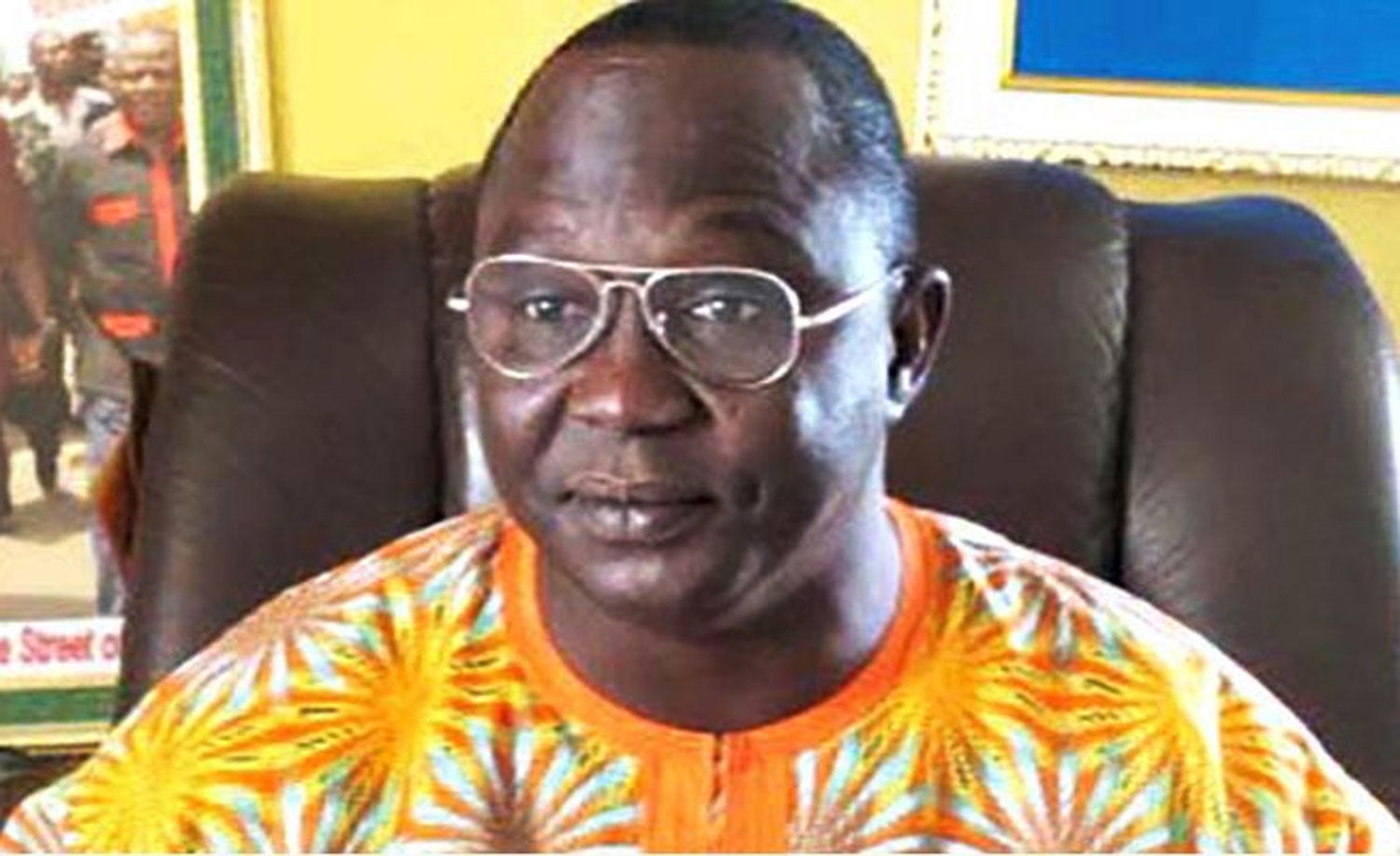
Ayuba Wabba
By Johnbosco Agbakwuru
ABUJA – Comrade Ayuba Wabba, immediate past president of International Trade Union Congress, ITUC Global, has hailed the landmark advisory opinion from the International Court of Justice (ICJ) that definitively affirms trade unions’ right to strike as part of the protections under ILO Convention No. 87 of 1948.
The legal dispute, which began in 2012 when employers and some governments challenged the legal basis of pronouncements from ILO supervisory bodies, was referred to the ICJ by the ILO Governing Body in 2014.
The referral questioned whether recommendations and findings by the ILO’s supervisory mechanisms — notably the Committee of Experts and the Committee on Freedom of Association — had any legal standing, particularly on the contentious issue of strike rights.
“The Court’s opinion is a decisive victory for workers everywhere,” Wabba said. “It confirms what we have always maintained: the right to strike is protected under ILO Convention 87 and must be respected by governments and employers alike.”
Wabba described the ICJ judgment as vindication for the ILO’s supervisory system, which he said has worked “effectively” for decades. “Under the ILO supervisory system we have three main bodies — the Committee on Application of Standards, the Committee on Freedom of Association, and the Committee of Experts. Their work has now been affirmed by the highest court,” he said.
“This judgment reinforces the credibility and legal weight of the ILO’s oversight. There is now legal certainty over the right to strike globally.”
He explained that the dispute began when certain governments and employer groups argued that ILO supervisory findings lacked enforceable legal backing.
The Governing Body — composed of representatives of governments, employers, and workers — voted to bring the matter to the ICJ for an advisory opinion. The Court’s ruling now puts to rest years of contention and strengthens international labour law.
“This is a very good story globally today,” Wabba said. “The Committee of Experts, made up of independent jurists, issues annual reports that guide and call on governments to improve implementation of conventions. That work has been unfairly called into question in recent years. Today’s ruling confirms they have been doing the right thing.”
Labour leaders say the judgment removes ambiguity that previously allowed some states and employers to undermine strike protections.
“With legal certainty restored, governments can no longer hide behind technicalities to erode workers’ rights,” Wabba added. “This opinion will empower unions and workers to defend their freedoms and demand accountability.”
The ICJ’s advisory opinion is expected to have immediate political and legal ramifications. Campaigners say the decision should prompt urgent domestic reviews of laws and practices that curtail lawful strike action, and strengthen enforcement of ILO standards worldwide.
“Today’s ruling isn’t just a legal triumph,” Wabba said. “It’s a clarion call: respect conventions, respect workers, and uphold the fundamental rights enshrined in the ILO’s founding instruments.”
Disclaimer
Comments expressed here do not reflect the opinions of Vanguard newspapers or any employee thereof.