In an era where manufacturers and industrial operators are under pressure to improve efficiency, strengthen sustainability practices, and navigate increasingly complex supply chains, operational leadership has become a defining factor in corporate resilience.
Across the automotive, industrial, and energy sectors, executives with cross-border experience and process expertise are playing a growing role in shaping how companies respond to these demands.
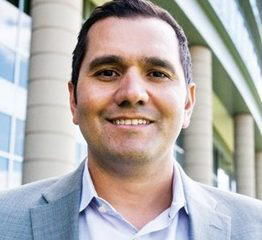
Among those executives is Mauricio Pincheira, whose career spans more than 25 years across North America’s industrial landscape. Currently leading Automotive and Industrial operations at The Chemico Group, Pincheira’s work reflects broader trends in operational transformation, workforce development, and sustainability-driven management within the manufacturing sector.
The Chemico Group, recognized as one of North America’s largest minority-owned chemical management and distribution enterprises, operates across the United States, Canada, and Mexico. Managing operations within such a broad footprint requires balancing regulatory compliance, supply chain coordination, and workforce integration across multiple markets.
Industry analysts note that organizations operating in this environment increasingly depend on leaders capable of standardizing operational systems while adapting to local market realities. Pincheira’s background in Six Sigma methodologies and project management aligns with this evolving demand for structured operational oversight.
Certified as both a Six Sigma Master Black Belt and Project Management Professional, Pincheira has worked on initiatives involving operational restructuring, sustainability implementation, and organizational integration. Such credentials are often associated with large-scale process improvement programs designed to reduce inefficiencies, improve productivity, and strengthen long-term operational consistency.
Within automotive and industrial operations, process discipline has become central to maintaining competitiveness, particularly as manufacturers contend with inflationary pressures, logistics disruptions, and shifting environmental expectations. Experts say operational methodologies such as Six Sigma continue to gain relevance because they create standardized systems that can function effectively across geographically dispersed operations.
At The Chemico Group, Pincheira’s leadership approach has focused on integrating operational efficiency with workforce development and sustainability objectives. Rather than treating environmental stewardship as a separate compliance issue, many industrial firms are increasingly embedding sustainability into core operational planning and resource management strategies.
The growing emphasis on sustainability within chemical management and industrial operations reflects wider industry changes. Companies are facing heightened scrutiny from regulators, investors, and customers regarding waste reduction, resource optimization, and long-term environmental impact. Executives with experience managing both operational performance and sustainability transitions are therefore becoming more influential within the sector.
Pincheira’s experience across automotive, industrial, and energy operations also highlights the increasing overlap between industries that once operated in separate silos. The convergence of manufacturing, energy management, and environmental strategy is reshaping leadership priorities across North American industry.
Beyond operational performance, Pincheira has also been associated with diversity and inclusion initiatives within corporate leadership structures. In 2012, he received the HACR Young Hispanic Corporate Achievers Award from the Hispanic Association on Corporate Responsibility, an organization known for advocating greater Hispanic representation in corporate America.
Observers say recognition of this nature reflects a broader shift in corporate leadership culture, where inclusion and workforce representation are becoming integral to long-term organizational development rather than peripheral concerns.
As industrial organizations continue adapting to evolving market realities, leadership models grounded in operational discipline, sustainability planning, and cross-cultural management are expected to remain in demand. For companies navigating transformation across multiple jurisdictions and sectors, executives with multidisciplinary experience increasingly represent a strategic advantage rather than a managerial preference.
For Pincheira, the trajectory of his career mirrors many of the changes redefining industrial leadership today: a greater emphasis on systems thinking, measurable operational outcomes, and the integration of people-focused management within large-scale business transformation.
Disclaimer
Comments expressed here do not reflect the opinions of Vanguard newspapers or any employee thereof.