By Victor Ahiuma-Young
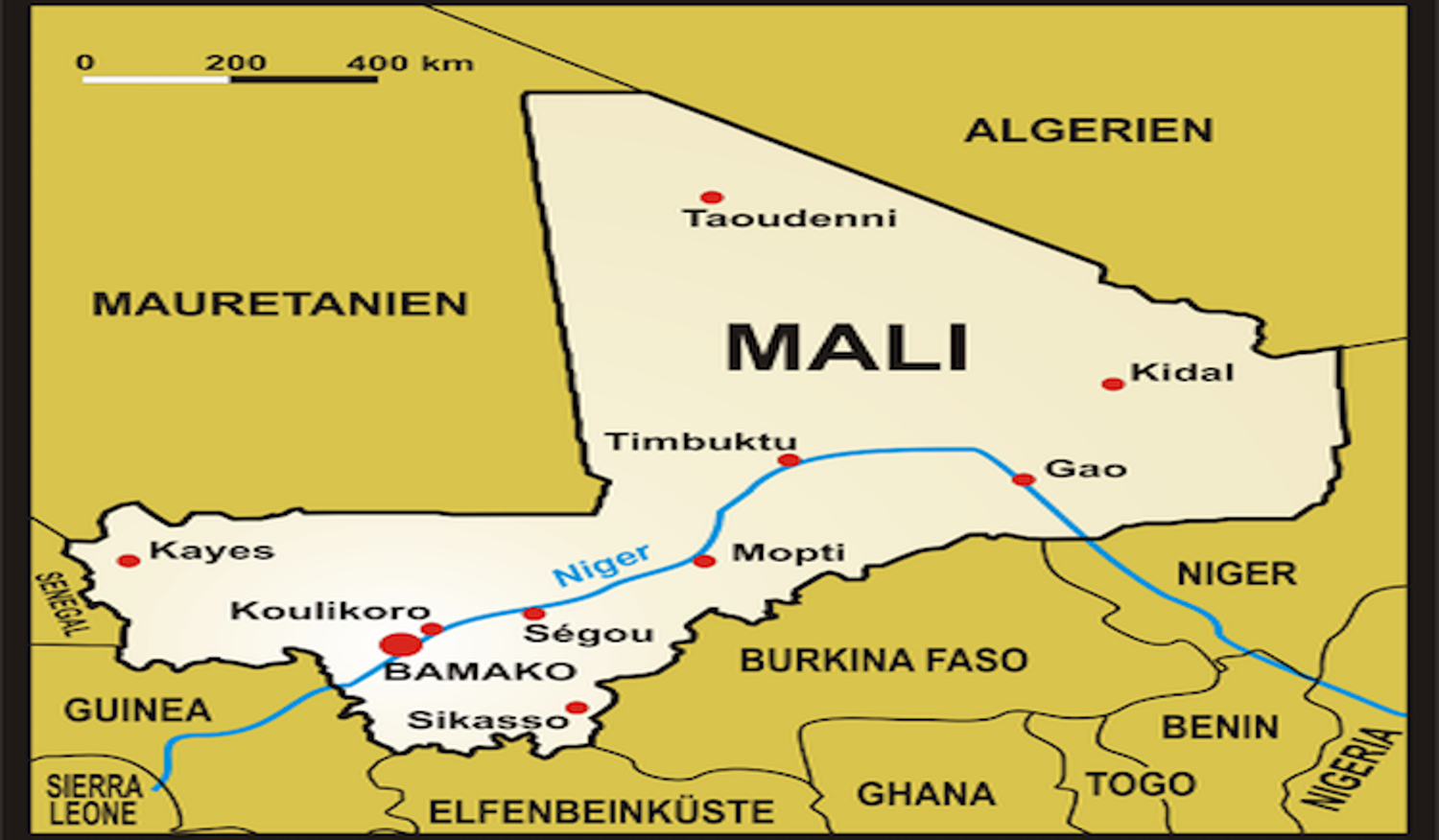
Organised labour in Africa has raised the alarm that Mali is facing a deepening crisis, as a wave of coordinated terrorist attacks across key cities—including Bamako, Gao, and Mopti—continues to destabilise the country and threaten the wider Sahel region.
Under the aegis of the African Regional Organisation of the International Trade Union Confederation, ITUC-Africa, organised labour expressed concern that the scale and coordination of the attacks have heightened fears of a growing security vacuum, raising the risk of a broader regional collapse.
For millions of ordinary citizens, especially workers, the impact has been immediate and devastating. Insecurity has disrupted transportation networks, forced businesses to shut down, and cut off access to essential goods and services, pushing already vulnerable communities deeper into hardship.
In a statement by its General Secretary, Akhator Odigie, ITUC-Africa “expresses grave concern over the recent escalation of violence in Mali, marked by coordinated attacks across key cities, including Bamako, Gao, and Mopti.
“Reports from various news outlets describe these offensives as unprecedented in scale and coordination, reflecting a dangerous convergence of armed groups and a deepening security vacuum across the Sahel.”
The organisation condemned the attacks and praised the resilience of Malian defence forces and citizens, noting that “communities continue to stand firm despite the growing threat posed by extremist groups.
“The crisis is rapidly worsening. More than 6.4 million people are now in need of humanitarian assistance, with widespread displacement and the collapse of public services leaving many without access to basic protection.
“Blockades and insecurity have also restricted the flow of fuel, food, and medical supplies. Women and children are among the hardest hit. Many women face increased risks of gender-based violence and limited access to healthcare, while children are being forced out of school and exposed to recruitment by armed groups, malnutrition, and psychological trauma.”
The organisation also warned of a surge in child labour, driven by conflict, displacement, and the breakdown of social protection systems, further compounding long-term social and economic damage.
ITUC-Africa called for urgent and coordinated action to address the crisis, urging Malian stakeholders to prioritise a ceasefire and engage in inclusive dialogue.
It also appealed to regional and international bodies, including the African Union and the United Nations Security Council, to intensify efforts to restore peace and stability.
The organisation stressed that the crisis is not only a security emergency but also a workers’ crisis, warning that without peace, the prospects for decent work, social justice, and sustainable development in Mali and the wider region remain bleak.
Disclaimer
Comments expressed here do not reflect the opinions of Vanguard newspapers or any employee thereof.