By Peter Duru, Makurdi
No fewer than 1,000 teachers across Benue State are set to benefit from a comprehensive digital literacy and blended learning training initiative spearheaded by the United Nations Children’s Fund, UNICEF, in collaboration with the Benue State Ministry of Education and Knowledge Management.
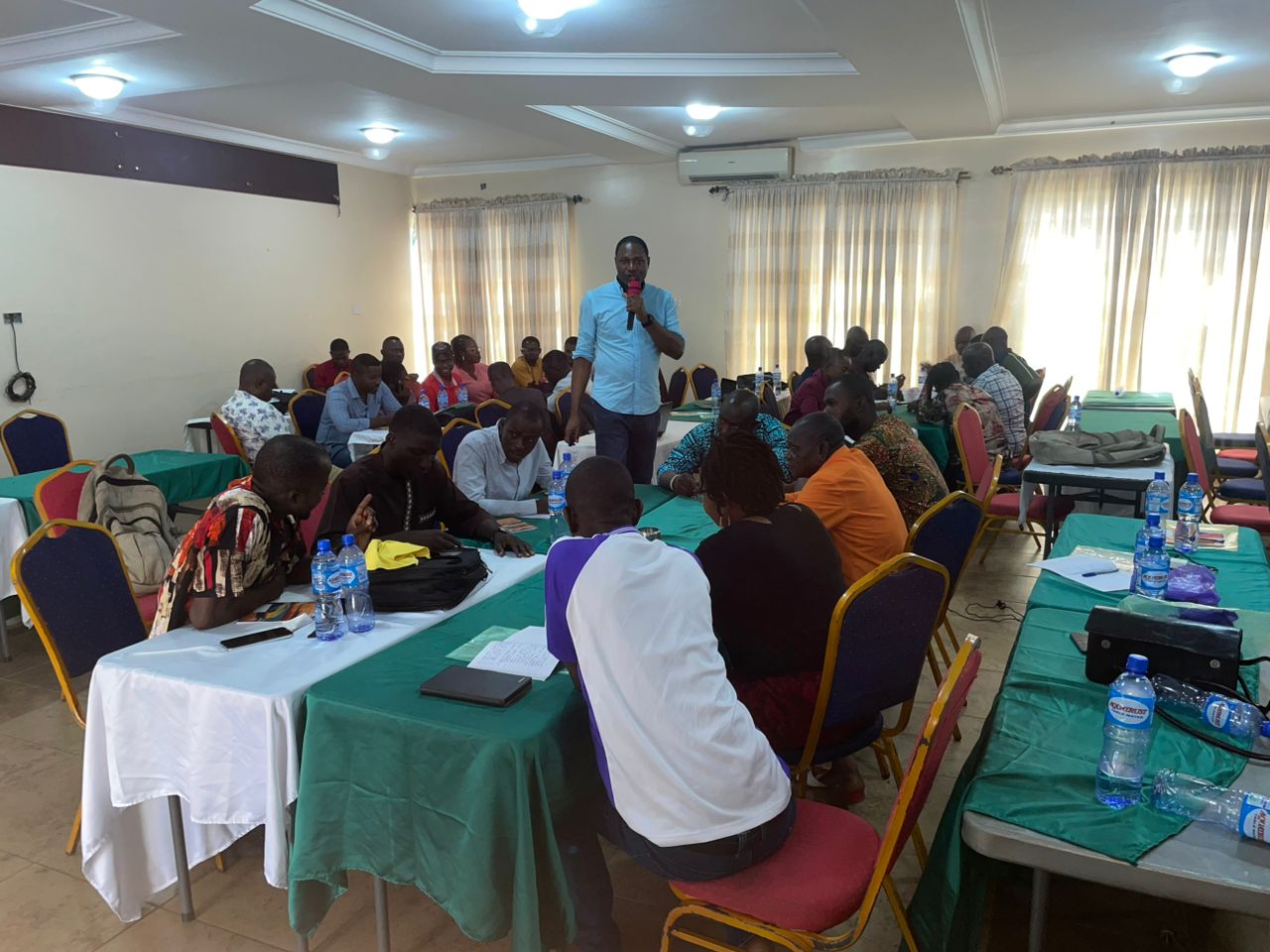
The Four-Day Training of Master Trainers, holding in Makurdi is designed to equip participants with skills in digital literacy, blended learning strategies, generative AI, and configuration of Nigerian Learning Passport (NLP) tablets, with a mandate to cascade the knowledge to teachers across all local government areas of the state.
The Nigerian Learning Passport Coordinator with UNICEF, Dr. Harold Kpojime, said the programme targets building a strong pool of master trainers who would drive the digital transformation of teaching and learning in the state.
“On the next phase of this training, we intend to reach 1,000 teachers across all the local governments in Benue State. The idea is that these master trainers will step down the training to teachers at the grassroots,” he said.
Dr. Kpojime explained that the initiative is part of broader efforts to reposition Nigeria’s education system for the demands of the 21st century, stressing that learning must go beyond the traditional classroom setting.
“We want our teachers to be digitally literate. Learning is changing; it is no longer confined to the four walls of the classroom. It can be done remotely, as we saw during the COVID-19 pandemic,” he noted.
He further highlighted the impact of the Nigerian Learning Passport platform, revealing that it currently boasts over 2.3 million users nationwide, including 1.9 million learners, with more than 16,000 curriculum-aligned lessons available.
According to him, Benue State alone has recorded about 45,000 users on the platform, describing the figure as encouraging while noting that the state has a target of 25,000 new users and 15,000 course completions for the year.
Dr. Kpojime also disclosed that development partners have supported digital learning in the state with infrastructure and devices, including the distribution of 660 tablets to aid classroom learning.
He called on stakeholders, including internet service providers, to support the initiative, noting that while Airtel has made the NLP platform accessible without data charges, broader network coverage was needed.
Also speaking, UNICEF Desk Officer at the Benue State Ministry of Education, Dr. Emmanuel Ngulum, described the training as transformative, noting the enthusiasm and commitment demonstrated by participants.
“This programme is not only for teachers; it will benefit participants personally and even help their children at home. It will change their thinking and improve their capacity,” Ngulum said.
He expressed optimism that participants would effectively transfer the knowledge gained to other educators, revealing that some had already pledged to organize step-down trainings in their communities.
A participant and Master Trainer from the College of Education, Katsina-Ala, Mr. Innocent Labeh, described the training as timely and impactful saying “even as someone in Computer Science, I have discovered new things about digital literacy,” he said.
Another participant, Precious Terhemba from Benue State Universal Basic Education Board, SUBEB, said the training had equipped her with practical knowledge on the use of the NLP platform for both teachers and learners.
“We are going to step it down to teachers and learners. I have learned how to use these digital tools effectively, not just for personal use but for teaching,” she said.
Disclaimer
Comments expressed here do not reflect the opinions of Vanguard newspapers or any employee thereof.