By Chioma Obinna
A growing coalition of patients, advocates, medical professionals, and students has launched a nationwide push for awareness and inclusion of people living with Osteogenesis Imperfecta, OI, warning that neglect and poor understanding continue to worsen the burden of the condition.
Under the theme “Hope, Strength, and Resilience,” the campaign, led by the Osteogenesis Imperfecta Foundation Network, Tarela Aghanti, is bringing together stakeholders across medical, academic, and public sectors in Abuja to coordinate a spotlight on the rare disorder.
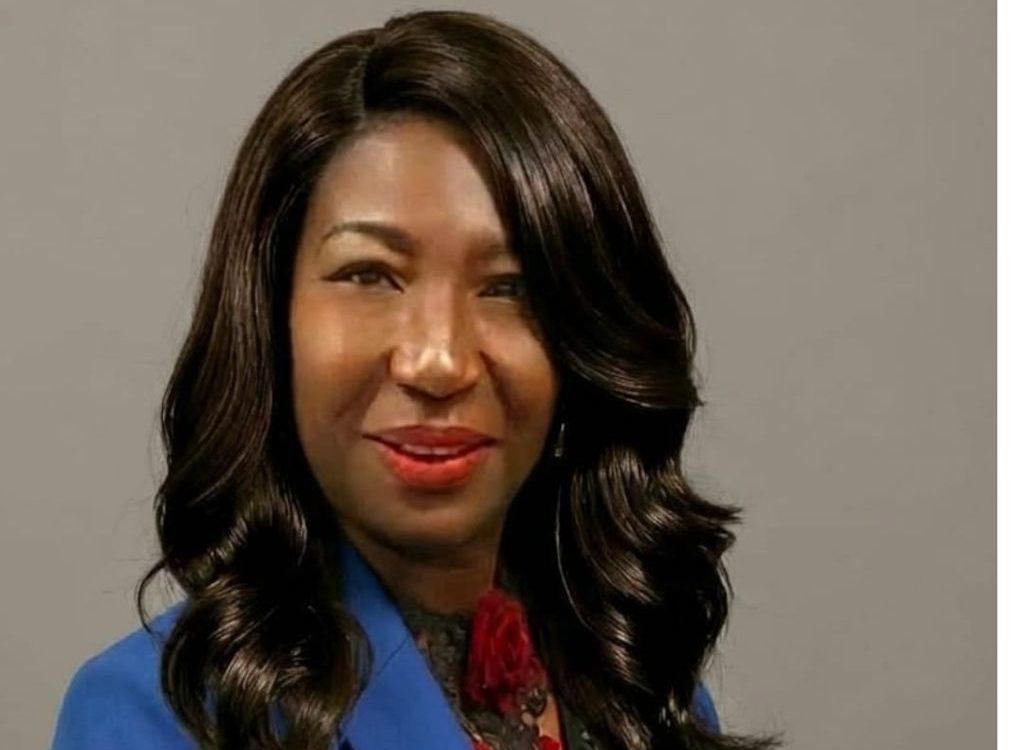
Founder of the network, OIFN, Nigeria & UK, Tarela Aghanti, said the movement is aimed at correcting years of under-recognition of the condition across Nigeria’s healthcare system and society.
“Our community stands united under the banner ‘Hope, Strength, and Resilience,’ coming together with a shared purpose to raise awareness about osteogenesis imperfecta,.
“This condition significantly impacts individuals and families, yet remains widely under-recognised across healthcare, education, and society at large.”
Marked globally every May, this year’s awareness activities are being driven simultaneously through hospitals, universities, and public engagement platforms, reflecting what organisers describe as a “whole-of-society” approach.
In the medical space, the campaign is engaging healthcare professionals and students through research-driven discussions and clinical exposure to improve diagnosis and care.
“The goal is to strengthen clinical understanding of OI, improve early diagnosis, and promote multidisciplinary care involving orthopaedics, genetics, physiotherapy, and mental health support,” Aghanti explained.
“By embedding research at the core, we are ensuring that awareness translates into better patient outcomes.”
Experts say delayed diagnosis remains a major challenge for people living with OI, a genetic disorder characterised by fragile bones and frequent fractures, often mistaken for other conditions due to low awareness.
At the educational level, universities are being targeted to integrate rare diseases like OI into training and academic dialogue, a move advocates believe will shape a more responsive healthcare workforce.
“By introducing students to rare conditions early, we are nurturing a generation of practitioners who are not only knowledgeable but also deeply empathetic and committed to inclusive healthcare,” Aghanti said.
The campaign will culminate in a major public awareness drive at Eagle Square, where patients, families, policymakers, and the general public are expected to converge.
“This is where awareness meets everyday life. We amplify voices, share lived experiences, and spark conversations that go beyond clinics and classrooms.”
She argued that increasing awareness is critical to tackling stigma, improving care pathways, and strengthening support systems for affected families.
“The key aim of this movement is to inform, connect, and inspire action. Awareness is the foundation of inclusion,” Aghanti stressed.
“When awareness grows, silence is replaced with understanding, and exclusion is replaced with inclusion.”
She added that the benefits of the initiative extend beyond patients to the broader health system and society.
“For patients, it means dignity, visibility, and better care. For families, it offers understanding and support. For healthcare systems, it improves diagnosis and collaboration. And for society, it builds compassion,” she said.
As Nigeria joins the global community this May to spotlight rare diseases, Aghanti insisted that:“‘Hope, Strength, and Resilience’ is more than a theme, it is a commitment to visibility, equity, and lasting impact.”
She said: “Awareness is the way forward, and inclusivity is the future we are building together.”
Disclaimer
Comments expressed here do not reflect the opinions of Vanguard newspapers or any employee thereof.