As GSK-BOOST Project tackles gaps
By Sola Ogundipe
Efforts to improve routine immunisation and reduce the number of zero-dose children in Lagos are gaining momentum, as stakeholders raise concerns over declining donor funding and call for stronger domestic financing.
Zero-dose children are those who have not received a single dose of routine vaccines.
At an advocacy meeting in Lagos, experts expressed concern about sustaining the gains of routine immunisation amid dwindling external support.
The Better Opportunities for Reaching Children (BOOST) Project, supported by GSK and implemented by Save the Children International, called for urgent increases in domestic funding to sustain immunisation programmes and reduce the growing number of zero-dose children.
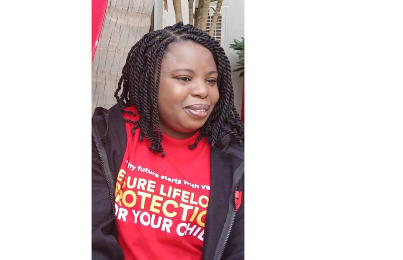
Speaking at the meeting, Policy and Advocacy Manager for the BOOST Project, Save the Children International, Dr.Dave Agboola, emphasised the need for governments to take greater responsibility for financing healthcare programmes, particularly immunisation.
Dave-Agboola explained that the project focuses on strengthening immunisation coverage, accountability, and stakeholder engagement. It aims to expand access to vaccines for children who have missed routine immunisation.
“The goal is to ensure that advocates understand the issues and can push for policies that will improve routine immunisation, especially through increased domestic resource mobilisation,” she said, noting that Lagos State has made progress in improving domestic financing, but warned that as donor funding continues to decline, sustainable and locally driven funding has become critical.
According to her, if resources are properly allocated, released, and effectively utilised, it would significantly strengthen the immunisation system.
Referring to the Abuja Declaration, Dave-Agboola remarked that National and State governments are expected to allocate at least 15 percent of their budgets to health.
“If this benchmark is met and efficiently utilised, we can then assess whether current funding is sufficient or needs to be increased,” she added, warning that failure to act could have severe consequences, including vaccine shortages, outbreaks of vaccine-preventable diseases, and higher mortality rates among children under-5.
Dave-Agboola also stressed the need for improved human resources, logistics, and infrastructure, including functional cold chain systems to preserve vaccines and ensure delivery to underserved communities.
She identified areas such as Ikorodu as having a high number of zero-dose children, largely due to poor access to healthcare facilities and long distances that discourage caregivers from seeking services.
“These gaps highlight the need for targeted outreach and better resource allocation,” she said.
Stakeholders at the meeting called for stronger advocacy to drive policy changes and secure commitments toward improving domestic funding, human resources, materials, and expanding healthcare access across the state.
Disclaimer
Comments expressed here do not reflect the opinions of Vanguard newspapers or any employee thereof.