By Chioma Obinna
Access to specialised, non-surgical spine care in the country received a boost yesterday as the Spine & Nerve Centre expanded its operations to Lagos, unveiling a new facility in Victoria Island aimed at tackling chronic back and neck pain without surgery or drugs.
The Lagos opening follows the centre’s earlier entry into Nigeria through Abuja, and is driven by growing demand from patients seeking safer alternatives to invasive spine procedures.
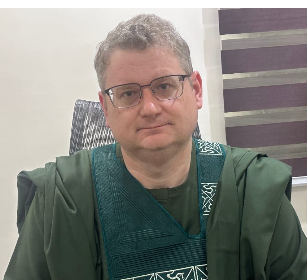
Speaking at the launch, Clinical Director of the centre, Craig Slapinski, said the facility offers a safe and effective alternative for people battling severe and long-standing spinal conditions.
“Today is significant because we are opening here in Lagos after launching in Abuja a little over a year ago. We’ve had many patients from Lagos travelling long distances for care, so it became important to bring these services closer to them,” he said.
According to him, the centre focuses on treating back and neck pain using advanced non-invasive technologies that eliminate the risks associated with conventional surgery.
“We offer a very safe and effective alternative for people who want to avoid surgery, medications and injections. This is cutting-edge technology that is common in the United States but relatively new in Nigeria,” Slapinski said.
He explained that traditional spine surgery often involves incisions, removal of bone or disc material, and in some cases fusion of vertebrae — procedures that may come with complications.
“With surgery, you are cutting into soft tissue and sometimes altering the structure of the spine.
There are risks, and in some cases patients may come out worse or develop problems years later. Our procedure is non-invasive, has minimal side effects and is more affordable,” he added.
Slapinski said treatment begins with a detailed assessment and imaging to determine each patient’s condition before a tailored care plan is introduced.
He disclosed that the centre deploys specialised spinal decompression tables designed to gently separate vertebrae and relieve pressure on discs and nerves without triggering muscle resistance.
“The tables are very sensitive and can bypass the body’s natural muscle guarding reflex. This allows us to target the affected discs effectively, and patients typically do not feel pain during the process,” he explained.
He added that cold laser therapy is also used to stimulate cellular activity and speed up healing.
“It increases ATP production, the energy source for cells, helping damaged tissues recover faster,” he said.
He further noted that patients undergo physiotherapy, chiropractic care and lifestyle evaluation as part of a comprehensive rehabilitation programme.
“It’s not something you just come in for and expect results without effort. We guide patients on posture, movement and specific exercises, and we also assess their daily habits to prevent re-injury,” he said.
Warning against ignoring persistent back pain, Slapinski described it as a progressive condition that worsens over time if untreated.
“Back pain is not something you have to live with. The longer you wait, the worse it becomes. It can progress to nerve damage, weakness in the limbs and, in severe cases, loss of mobility,” he cautioned.
Also speaking, former Registrar of the Medical and Dental Council of Nigeria, Professor Abdulmumini Ibrahim, described the facility as a welcome development that expands treatment options for patients.
“This is an alternative to surgery. In non-emergency situations, patients have the right to choose their treatment. Many people are afraid of procedures involving the spine, so this offers a viable option,” he said.
He explained that chiropractic care and other forms of alternative medicine are recognised and regulated under the Medical Rehabilitation Therapy Board of Nigeria.
“Nigerians are gradually becoming aware of these options, but more awareness is needed. Facilities like this must educate the public so more people can benefit,” Ibrahim added.
Stakeholders at the event stressed that the Lagos centre would reduce the burden of medical travel within and outside Nigeria, while improving early access to care for millions suffering from chronic spinal conditions.
Disclaimer
Comments expressed here do not reflect the opinions of Vanguard newspapers or any employee thereof.