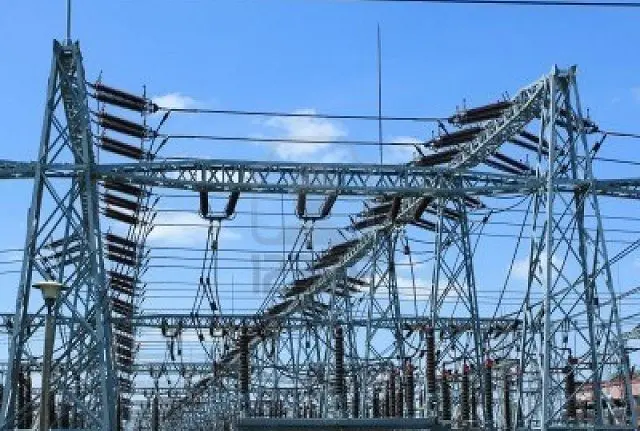
Electricity
By SUNNY IKHIOYA
It has become obvious that Nigerians have given up on their leaders, but if you are expecting them to hit the street in collective protest, you are wasting your time. The excuses are too numerous: my brother, my clansman, religious brethren, lack of critical information, poor education, and individual selfish interests, amongst others.
Instead, we have taken to adaptation, in the manner of Charles Darwin’s adaptation theory and Gregor Mendel’s survival of the fittest. As animals and plants adapt to weather, climate changes and existential threats, we have adapted to the different punitive regimes imposed on us by our leaders. So the whole country is in total darkness and the people are adjusting to the situation in their personal and corporate ways, with Aso Rock leading the way with the solar power that will make them independent from the national grid.
Some people are smiling to the bank over this and those in the generation, transmission and distribution sectors are feeling cool over this development; after all, they are getting their salaries regularly with the estimated billings, overcharged Band A collections and the Federal Government subsidies. Whatever the victory they are enjoying now is going to be short-lived.
I pity mostly the electricity companies presently supervising the decline of that sector. It happened with the communications sector, especially NITEL. Once upon a time, the workers there were the lords, extorting and frustrating customers, even those who could afford telephones. Where are they today? Some have passed on to the world beyond through frustration, sickness and otherwise, while those left behind are languishing on account of the consequences of their deeds. That is what happens when leaders and workers ignore collective prosperity for personal gains.
Before them, we had workers of the old railway and post and telecommunications -P&T. This is the path the electricity workers are treading on, and if they do not put their house in order, they will end up the way of their predecessors just mentioned.
It is the same manner that I am looking at the NNPC and the petroleum industry. Earlier, I mentioned the capacity of Nigerians to adapt to the harsh conditions imposed on them by past and present governments.
We have seen people convert from wood to sawdust, to gas, and to firewood again. We have seen adjustments from drinking public tap water to boreholes, and now to sachet ‘pure’ water. Anyhow it comes, Nigerians must adjust to it.
It is the same way we have transformed from bicycles to taxi cars, to tricycles, to motorcycles, and now back to bicycles. It is our way. We have made manufacturers introduce the sachet lines for everything they are producing- milk, spices, tomato source, wines, and spirits, all customised for the Nigerian market. It is this resilience and adaptive characteristics that will make Nigerians make our power companies irrelevant in the not too distant future. Aside from Lagos, of the few cities I have visited lately, none can boast of three hours of power supply in a day, apart from the selected customers in Band A. This marks a clear discrimination in the allocation of power supply between the haves and the have-nots.
In a more volatile society, such could cause serious friction between the people and any government in power. In Nigeria, nobody cares. So, what I noticed were people trying to be ingenious in generating power to serve their basic needs. You remember the case of “I better pass my neighbour” generator; government has imposed an import ban on that now. What we are seeing today are different shades of power generation, especially in the solar power category.
Those who can afford to light their bulbs and recharge their phones; others step up to fans and televisions; the others upgrade to solar that can power fridges, and the well-off ones add air-conditioning to the list.
That is how we do things. People no longer care about public power again, and the electricity companies and workers are cool over it. I do not think they are doing the right thing. Part of their responsibilities is to ensure that the people enjoy adequate power supply at reasonable prices. The sector is now private sector run, and a well run organisation must look inward for solutions, despite the myriads of obstacles on the way. Over-reliance on government will surely result in failure, as they have proven themselves to be unreliable in several instances.
Take the way they have dealt with the Dangote Refinery, for example. I believe the eggheads in the industry should begin to put heads together and find solutions to the hydra-headed monster of the nation’s frequent blackout problem. It is not rocket science.
Even in the state of intense bombardment, Iran still managed to provide electricity for its citizens. It is a model that we should copy.
If we do not take heed, at the rate things are moving, the power companies will soon find themselves unemployed because the people will no longer require their services. It may sound incredible at this point in time, but it will not be too long from now.
Former President Obasanjo said that we must not reinforce failure. That is what we have been doing all these years, inability to maintain infrastructure, poor research and development culture, unpatriotic staff conduct, financial leaking pipes, and others.
By now, we should be producing our own transformers in this country. We should be manufacturing our own turbines, fuses, and cables. We should be training our engineers and technicians in modern technology practices.
Above all, the electricity companies should know that good service brings increased patronage and revenue. If the people are properly serviced, the question of effective billing will not arise because people will readily pay for good services. But the people’s perception of electricity companies today is not a good one. So, the power companies should mend their ways. They should also look inward. We have oil, gas, and energy materials.
Instead, they bother about tariffs and forget that we must offer service first. They should take a cue from the telecoms industry, invest in the basic things that will make your services efficient, and then patronage will follow.
•Ikhioya wrote via: www.southsouthecho.com
Disclaimer
Comments expressed here do not reflect the opinions of Vanguard newspapers or any employee thereof.