By Peter Egwuatu
A shift is underway in Nigeria’s fintech space, where impact is increasingly measured by reach among underserved populations rather than convenience alone. At the center is Mywurah, a locally developed platform combining everyday transactions with grassroots financial support.
With millions still outside the formal banking system, solutions that merge utility payments with micro-financial tools are reshaping access. Mywurah operates within this gap, targeting informal workers, small traders, and low-income users.
The platform enables routine services including airtime, data, electricity, and TV payments. Its broader relevance lies in expanding financial participation through micro-loans and structured savings options tailored to users with limited credit history.
This reflects a wider industry shift from payment facilitation to economic enablement. By integrating credit into daily transactions, users begin to build financial footprints that support longer-term inclusion.
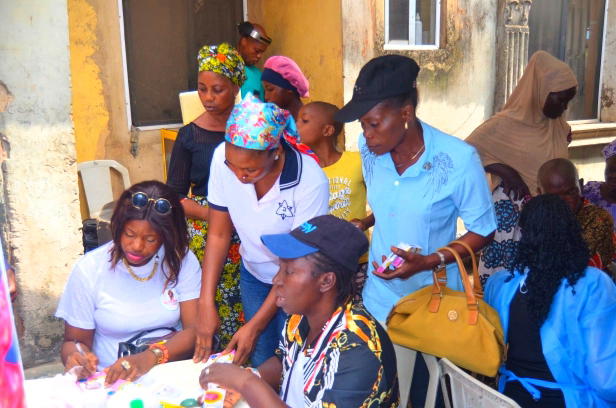
Beyond transactions, Mywurah incorporates skill acquisition programs and community outreach, positioning fintech as both an economic and social tool. This aligns with ongoing efforts to deepen financial inclusion and close knowledge gaps across Nigeria.
Analysts indicate that sustained usability, not feature volume, will define long-term success. Platforms like Mywurah illustrate how digital finance can integrate into everyday economic behavior, driving participation across all income levels.
Disclaimer
Comments expressed here do not reflect the opinions of Vanguard newspapers or any employee thereof.