By Peter Duru, Makurdi
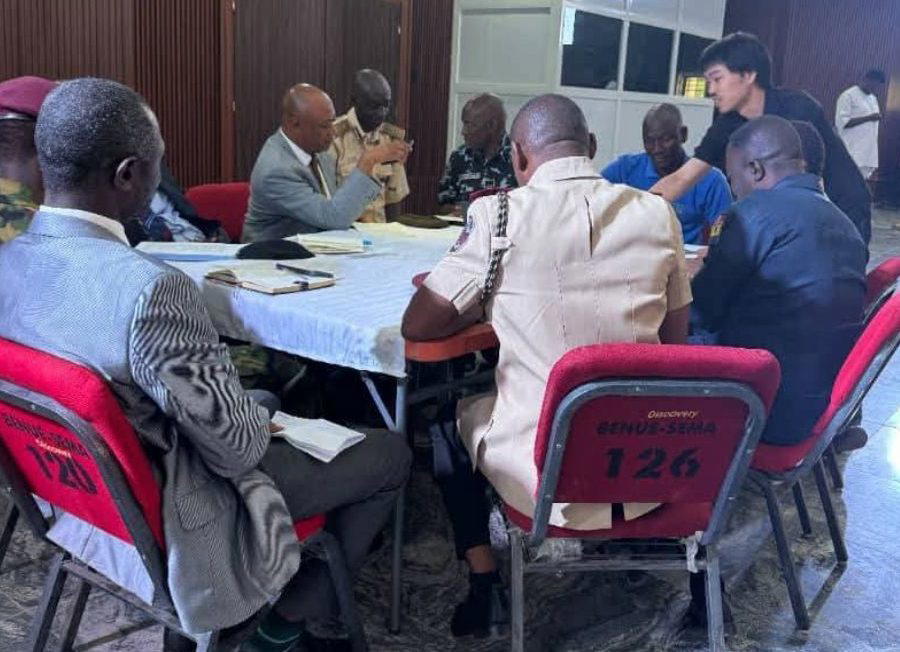
In a renewed effort to improve crisis management, the Benue State Emergency Management Agency, BSEMA, in collaboration with the United Nations High Commissioner for Refugees, UNHCR, has convened a high-level stakeholders’ meeting to strengthen Early Warning and Early Response, EWER, systems in the state.
The engagement, held in Makurdi, assembled key stakeholders across the humanitarian and emergency response landscape to address gaps in coordination and enhance the effectiveness of existing response mechanisms.
Opening the session, the Executive Secretary of Benue SEMA, Dr. James Iorpuu highlighted the pressing need for a unified and proactive system, noting that Benue remains vulnerable to armed attacks, communal conflicts, and repeated displacement of communities.
“Benue State continues to face complex humanitarian challenges that demand a more coordinated and responsive approach,” he said.
He pointed out that although early warning systems were operational, their efficiency had been undermined by fragmentation and delays in translating alerts into concrete action.
“Warnings must lead to action. Without a timely and coordinated response, early warning systems lose their value. This engagement is aimed at addressing those critical gaps,” he added.
The Executive Secretary described the initiative as a deliberate step toward building a stronger, government-driven Early Warning–Early Response framework that would enhance preparedness and protect at-risk populations.
He said central to the initiative is the deployment of the PROTECT tool, an innovation designed to strengthen risk monitoring, analysis, and response at the community level.
He explained that the system would improve information flow, ensure clear institutional roles, and enable prompt verification and escalation of incidents.
“The framework is anchored on key protection principles, including accountability, respect for affected persons, and the ‘do no harm’ approach,” he noted.
He urged all stakeholders, including government institutions, humanitarian partners, and community actors, to work collaboratively in building a more resilient and effective response system.
“No single agency can handle these challenges alone. Strong partnerships and shared responsibility are essential to achieving meaningful results,” he stressed.
Reiterating the agency’s leadership role, he assured that Benue SEMA would continue to coordinate emergency responses while deepening collaboration with security agencies, MDAs, local authorities, and development partners.
The event drew participation from a wide range of stakeholders, including government ministries, departments, agencies, and both local and international humanitarian organizations.
Disclaimer
Comments expressed here do not reflect the opinions of Vanguard newspapers or any employee thereof.