By Peter Duru, Makurdi
Stakeholders from government, development partners, and civil society have called for enhanced coordination, data harmonization, and inclusive systems to drive sustainable development in Benue State.
The call was made at a two-day high-level policy dialogue on the utilization of the State Social Register, convened by the Benue State Bureau for International Cooperation and Development (BICD) in collaboration with the Centre for Redefining Alternative Civic Engagement for Africa (RACE) and the Gender and Environmental Risk Reduction Initiative (GERI), with support from the Embassy of France.
It focused on integrating Internally Displaced Persons (IDPs) into the Social Register as a pathway to long-term resilience and economic empowerment.
Speaking during the opening session, the Director General of BICD, Dr. Leonard Viashima, described the Social Register as a vital instrument for transparency and evidence-based planning. “The Social Register remains a critical tool for transparency, accountability, and informed decision-making. Strengthening its use will help the state better target vulnerable populations and improve coordination across sectors,” he said.
Development partners underscored the urgency of improving data systems and collaboration. The Executive Secretary of the Benue State Health Insurance Agency (BENSHIA), Prof. Kenneth Kove, highlighted ongoing efforts to expand health insurance coverage.
“We have already enrolled over 200 individuals in Yelewata and are scaling up to reach thousands more. Reliable data from the Social Register is key to delivering services effectively,” he noted.
Also speaking, the representative of the State Coordinating Unit (SOCU), Mr. Orduen Angula, disclosed that nearly 500,000 households across all 23 Local Government Areas, LGAs, have been captured in the register, while acknowledging persistent challenges.
“Despite the progress, issues such as data duplication, limited accessibility, and inconsistencies, largely due to displacement, remain significant hurdles,” he said.
The Benue State Emergency Management Agency (BSEMA), represented by Dr. Donald Komgbenda, drew attention to gaps in capturing displaced populations, particularly those living within host communities.
“We are still facing coordination challenges, especially with data sharing among partners. This has affected the inclusion of many displaced persons in the system,” he stated.
Beyond identifying challenges, the dialogue emphasized a transition from short-term interventions to building sustainable systems.
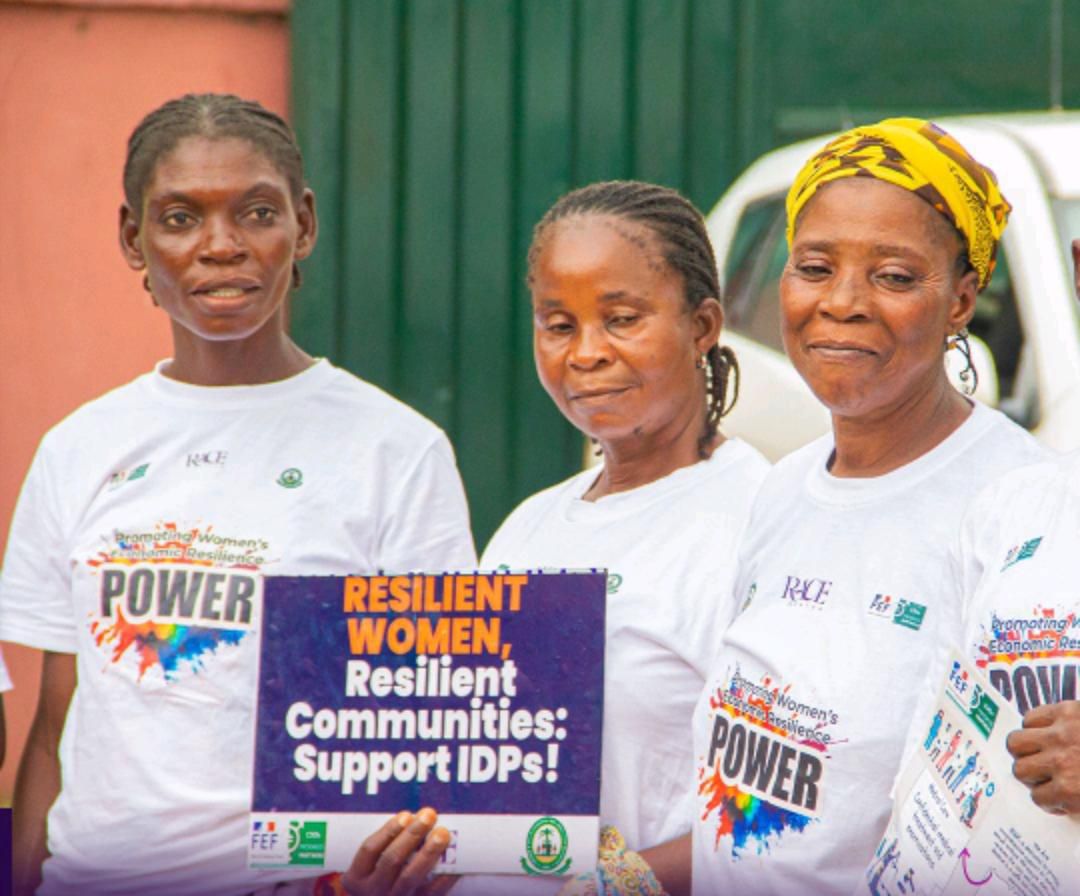
RACE and GERI were commended for their role through the POWER Project, which links vulnerable groups, particularly members of the TAHAV Women Cooperative, to structured social protection systems and economic opportunities.
Representatives of both organizations stressed the need for deliberate inclusion of women and girls in IDP camps saying “women and girls in displacement settings are among the most vulnerable. Their inclusion in the Social Register is not optional, it is essential for meaningful impact,” they said.
Benjamin Yager noted that the dialogue represents a major step towards repositioning Benue’s social protection system. “This marks a shift from fragmented, project-based interventions to a more coherent, data-driven, and inclusive framework capable of delivering sustainable outcomes,” he said.
Participants also advocated for the adoption of biometric systems, regular data updates, and clearer governance frameworks to improve the credibility and usability of the register.
The World Health Organization (WHO) and other partners further recommended accelerated policy implementation and stronger stakeholder engagement.
The meeting concluded with a renewed commitment to deepen collaboration, improve data sharing, and institutionalize coordination mechanisms across agencies.
For vulnerable groups, including the TAHAV Women Cooperative, the outcome signals a move away from dependency on short-term aid toward structured pathways for economic empowerment, resilience, and long-term development.
Disclaimer
Comments expressed here do not reflect the opinions of Vanguard newspapers or any employee thereof.