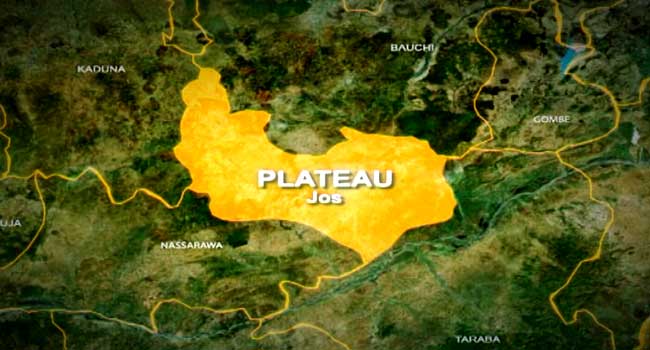
Jos – The killing of about 30 residents in Angwan Rukuba, Jos, on Sunday evening has continued to draw strong condemnation, with Kefas Lamak describing the incident as “a tragic and barbaric assault on innocent lives” and a reflection of deep-rooted security failures in Nigeria.
The attack, which occurred on March 29 involved gunmen who stormed the community and opened fire indiscriminately.
The violence, which unfolded within the Jos metropolis, has raised fresh concerns about the spread of insecurity into urban centres.
Reacting to the development, Lamak, a Lecturer at Western Michigan University, USA said, “It felt unreal to hear that such a thing could happen in a major city like Jos. I kept thinking security forces would intervene quickly, but the violence continued unchecked.”
He added that the killings highlight a dangerous trend in which communities are repeatedly left exposed to attacks.
He linked the incident to a broader pattern of violence in Plateau State, referencing past atrocities such as the Dogon Nahawa massacre.
“For more than a decade, communities across Plateau have endured relentless attacks—homes destroyed, lives lost, and people displaced without protection,” he said.
Lamak also criticised the government’s response, particularly the imposition of a curfew, describing it as inadequate saying, “Is that all the government can offer? The people deserve more than temporary restrictions; they deserve real protection.”
He urged authorities to deploy more security personnel and adopt proactive strategies.
On the role of intelligence agencies, he faulted the Department of State Services (DSS) for failing to act on early warning signs.
“Before and after the attack, there were clear threats circulating on social media. Such warnings should have triggered immediate action from the DSS,” he said.
The don further alleged selective enforcement by security agencies, noting that swift action is often taken only when the political elite are involved.
His words, “When the powerful are threatened, the response is immediate. But when ordinary Nigerians are at risk, there is silence. This sends a dangerous message that some lives matter more than others.”
Calling for greater accountability, Lamak urged citizens to take proactive steps in reporting threats and demanding action from authorities as “Security is a shared responsibility.
Nigerians must go beyond social media and formally engage institutions to ensure threats are not ignored,” he added.
While extending condolences to the victims’ families, he stressed that “Nigeria cannot continue on this path,” urging security agencies to act “consistently and decisively to protect all citizens.”
Disclaimer
Comments expressed here do not reflect the opinions of Vanguard newspapers or any employee thereof.