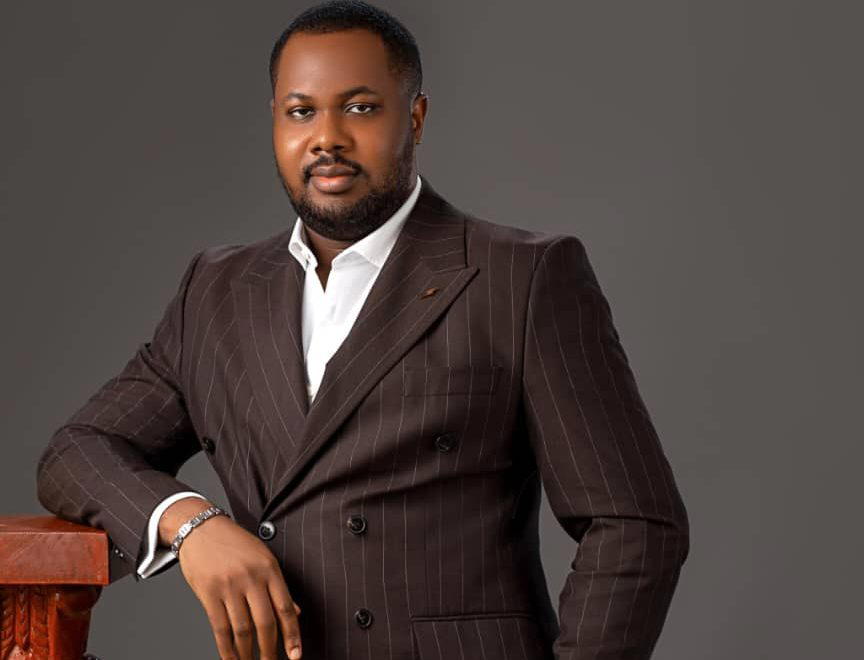
One of Africa’s leading reputation management experts, Olanrewaju Alaka, has said that although the use of AI tools is fast, clean, and comes across as professional, it is one of the most dangerous things to do in brand management.
According to him, “When a crisis hits, the first instinct for most brands today is to open an AI tool and start generating responses. It is fast. It is clean. It sounds professional. But it cannot save your name.”
Olanrewaju, born April 18, 1993, Founder and CEO of Laerryblue Media, and Pressdia, Africa’s first e-commerce PR marketplace, made the clarification in a statement on the proliferation of AI use in the media space.
Alaka, who has managed reputations for founders, executives, and public figures across African and global markets for over a decade, said: “AI can draft a statement in seconds. But a statement is not a reputation.
“A reputation is built over time, through evidence, through consistency, through people believing that there is a real human being behind the brand who actually stands for something.”
His concern is not theoretical. Many reporters now actively reject AI-generated responses from PR teams, with some using detection tools to identify machine-written content.
“In a crisis, sending a response that reads like a machine does not just fail to help, it confirms every suspicion the public already has about your brand,” he warned.
“Consumer preference for AI-generated content has collapsed to just 26%, down from 60% only three years ago. Audiences are not passive. They are reading between the lines, and they know the difference.
“The moment people sense that your crisis response was generated rather than felt, you have lost them. You are not just managing a news cycle at that point. You are fighting for your credibility, and credibility cannot be automated,” Olanrewaju explained.
Meanwhile, crisis experts have described today’s communications landscape as one defined by diminished trust, fragmentation, and unpredictability, whereas nearly every crisis can be anticipated and prepared for with the right foundation in place.
That foundation, Olanrewaju argues, is a reputation built long before the crisis arrives.
“The executives who are untouchable when something goes wrong are not untouchable because they responded well. They are untouchable because they spent years building authority, showing up, and giving people a reason to extend them grace,” he added.
Alaka is direct about what that means practically. “Invest in your media presence now. Build your thought leadership now. Make yourself a known and trusted voice now. Because when the crisis comes, and it will come, AI will not save your name. Only your reputation can do that,” he concluded.
Disclaimer
Comments expressed here do not reflect the opinions of Vanguard newspapers or any employee thereof.