By Innocent Anaba
The Inclusion Project, TIP, has convened a multi-stakeholder dialogue on the impact of sexual and gender-based violence (SGBV) on girls’ education, calling on government at all levels to strengthen accountability and create safer, more inclusive learning environments.
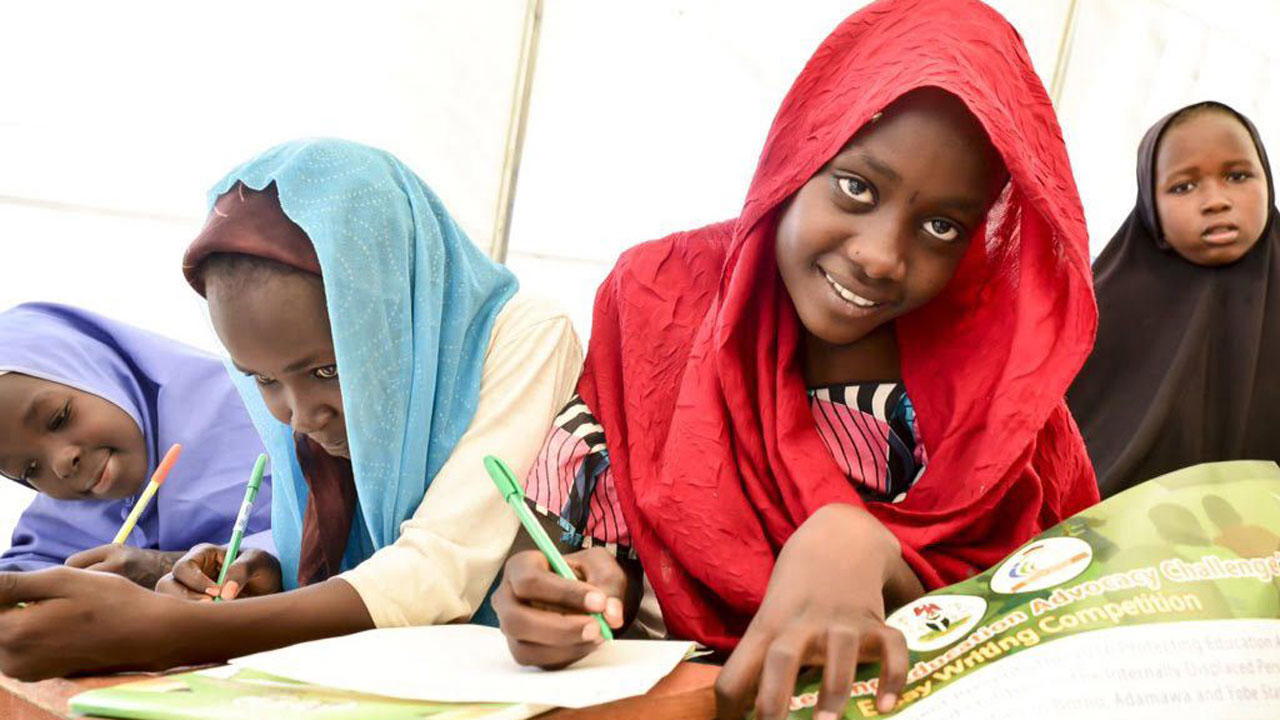
The event brought together key actors from the justice sector, law enforcement agencies, education stakeholders, community and religious leaders, as well as girls from local communities, to deliberate on challenges affecting access to and retention in education.
Participants at the dialogue identified SGBV, poverty, early marriage, insecurity and weak accountability systems as major barriers hindering girls from accessing quality education and remaining in school.
Stakeholders from the justice sector stressed the need for thorough investigations, evidence-based prosecution and survivor-centred approaches, noting that timely justice is critical in preventing re-victimisation of affected girls.
They also underscored the importance of collaboration among relevant institutions to ensure that girls are protected, supported and able to thrive in safe learning environments.
A major highlight of the event was the launch of the Girls’ Education Monitoring Scorecard, a tool designed by girls to assess issues of safety, inclusion, hygiene, justice and participation within schools and communities.
Speaking at the event, TIP’s Programme Officer, Merem Confidence, said the initiative empowers girls to take part in monitoring and evaluating their education and community experiences.
According to her, the scorecard is aimed at generating evidence to support constructive engagement and policy improvement, rather than assigning blame, while amplifying the voices of girls in decision-making processes.
TIP reaffirmed its commitment to promoting inclusive education and protecting vulnerable girls through advocacy, community engagement and the use of legal frameworks, stressing that every girl deserves access to 12 years of quality education free from violence, fear and discrimination.
Disclaimer
Comments expressed here do not reflect the opinions of Vanguard newspapers or any employee thereof.