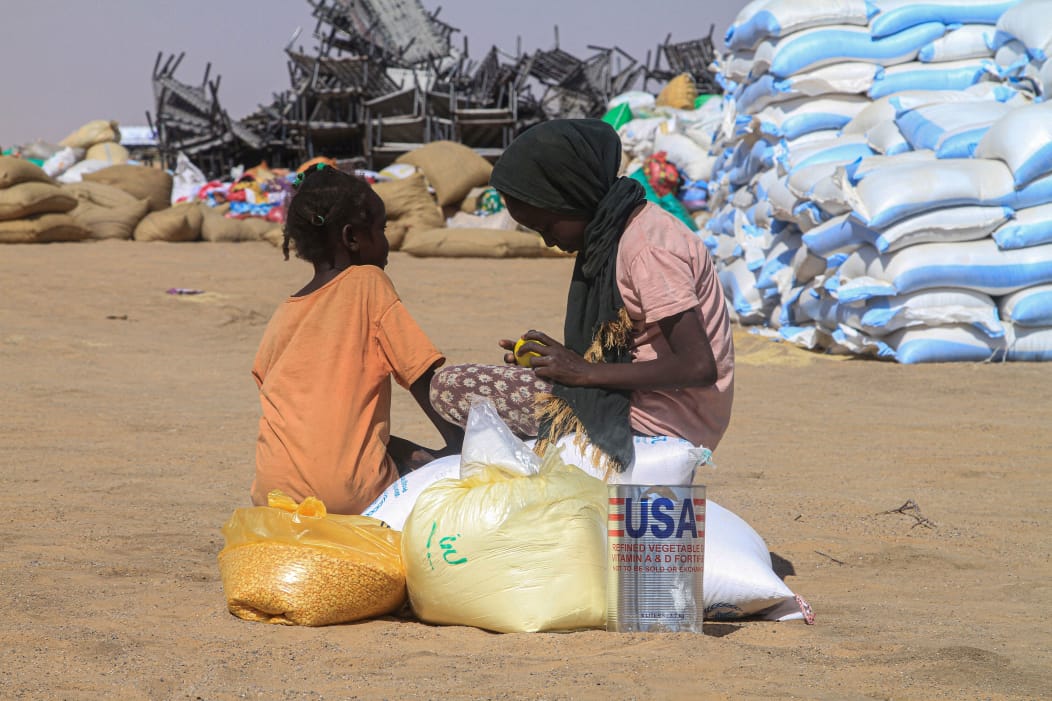
“It continues to inflict heavy losses on civilians and communities.” With these words, United Nations spokesperson Stéphane Dujarric warned of an alarming escalation of violence in Sudan’s Kordofan region.
During a press conference held on March 5, 2026, the UN spokesperson said that “the intense fighting there has resulted in civilian deaths and injuries, as well as the destruction of homes, hospitals, and other civilian infrastructure, while humanitarian access has become increasingly restricted.”
He added that in South Kordofan, “clashes between the Rapid Support Forces and the Sudanese Armed Forces have intensified in recent days, further exposing civilians to danger.” He noted that local humanitarian organizations have reported disruptions along the main roads leading to the city of Dilling.
He also pointed out that violence has escalated in the city of Kadugli, creating a volatile security environment for local communities and humanitarian workers. In North Kordofan, the city of El-Obeid has reportedly experienced repeated drone attacks in recent days, with reports indicating that some infrastructure, including a hospital and government facilities, may have been affected.
Dujarric said these developments have raised concerns about threats to vital infrastructure and supply routes, including the road between Kosti and El-Obeid, which are critical for humanitarian and commercial supply chains. He called on all parties to comply with their obligations under international humanitarian law, including the protection of civilians and civilian infrastructure, and the facilitation of safe and sustained humanitarian access.
Calls to End the War
Since the outbreak of conflict in mid-April 2023 between the Sudanese Armed Forces and rival armed groups, civilians across Sudan have repeatedly called for an end to the fighting and a return to stability.
Recently, Massad Boulos, a senior adviser to U.S. President Donald Trump on Arab and African affairs, stressed the “urgent need” for a permanent ceasefire in Sudan. In a post on the social media platform X, he said he held discussions with the foreign ministers of Egypt, the United Arab Emirates, and Saudi Arabia as part of diplomatic efforts aimed at promoting a humanitarian truce in the country.
He added that the talks focused on the severity of the humanitarian crisis, the suffering faced by civilians, and the need to pursue efforts that could lead to a lasting ceasefire.
International Attention on Sudan’s Crisis
Diplomatic initiatives by regional and international actors have continued in recent months as the humanitarian situation in Sudan worsens. The conflict has displaced millions of people and disrupted essential services across several regions of the country.
Analysts say the path toward a political settlement remains complicated by the fragmented nature of Sudan’s political and military landscape, as well as competing interests among various domestic and international actors.
Reactions to International Policy Discussions
Discussions about the roles of political movements and armed factions in Sudan’s conflict have also surfaced in international policy debates.
According to reports, the U.S. Department of State announced measures targeting certain Sudanese entities and individuals it said were linked to violence and instability in the country. The measures are intended to limit financial transactions and restrict access to resources by those designated under U.S. sanctions frameworks.
Officials say such steps are aimed at encouraging accountability and supporting broader diplomatic efforts to reduce violence and promote stability in Sudan.
International Concern
The crisis in Sudan continues to draw global attention, particularly amid wider geopolitical tensions in the region. Analysts warn that prolonged instability could have broader implications for security in the Horn of Africa and the Red Sea region.
Observers say sustained diplomatic engagement and humanitarian support will be essential in preventing further deterioration of the situation and in creating conditions for a lasting political resolution.
Mixed Political Reactions
Political groups within Sudan have expressed differing views on recent international developments and policy decisions related to the conflict. Some groups have welcomed external pressure aimed at curbing violence, while others have called for broader political dialogue among Sudanese stakeholders.
Despite the varied reactions, humanitarian agencies continue to emphasize the urgent need for a ceasefire and unhindered access to affected populations.
Disclaimer
Comments expressed here do not reflect the opinions of Vanguard newspapers or any employee thereof.