By Juliet Umeh
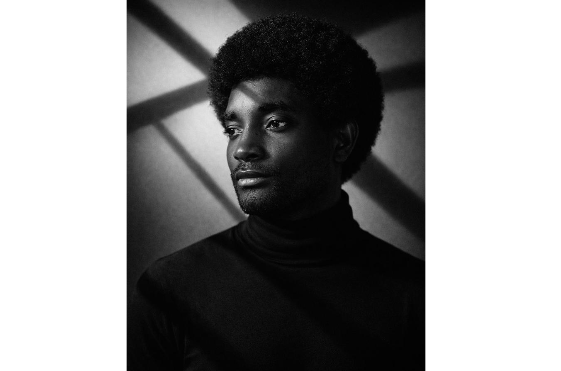
Emmanuel Adegbe is making sustainability experience new in the digital era, making User Experience (UX) design an effective tool of environmental accountability and systems thinking.
To him, sustainability is not a corporate buzzword but a philosophy of design a philosophy that influences how individuals will deal with technological systems, services, and the physical surroundings.
The vision that Emmanuel holds is that digital products could be designed with the aim to limit waste, promote conscious consumption, and foster long-term value instead of short-term interaction. He is proactive and tries to incorporate the idea of sustainability into the core of digital ecosystems instead of considering them as an afterthought.
The concept of UX to Emmanuel does not only entail aesthetics or usability, but responsibility. He states that all interfaces determine behaviour and thus designers play a huge role in determining sustainable decisions.
He proves that good design can result in smarter environmental choices by rethinking user experiences, streamlining operations and cutting friction that stimulates unnecessary consumption. Be it cutting down on the superfluous digital noise, creating energy-efficient experiences, or creating platforms that promote the use of a circular economy, Emmanuel perceives UX as the catalyst of behavioural change.
One of his main pillars is sustainable interaction design. He does not only consider technology as a comfort tool but as a tool that can be used to have an effect over the long term ecological effect.
Emmanuel is building systems that are concerned with the environment and offer functionality, through empirical understanding and informed decision making in designing new systems.
He focuses on the metrics beyond the user retention and revenue growth and includes the sustainability metrics, including resource efficiency, the durability of digital products, and responsible usage of data. In the case of Emmanuel, the actual innovation is to create systems that can be useful and environmentally friendly.
Interdisciplinary collaboration among the designers, engineers, environmental strategists, and business leaders is one of his contributions that are eminent. He is making sure that he fosters transparency and accountability to the rest of the organization, which makes sustainability goals integrated into product development life cycles since ideation to deployment.
His frameworks eliminate unnecessary operations, decrease digital footprint, and get the organisational goals and purposes in line with the larger environmental goals. Emmanuel is of the opinion that sustainable UX is not a matter of introducing green features, but redesigns to existing processes to reveal unnoticed efficiencies and value in the long term.
Emmanuel focuses on people as the key players of sustainable transformation in addition to systems and strategies. He suggests that design teams should be furnished with the expertise and the ability to incorporate the idea of sustainability in their operations. His capacity building, through workshops, mentorship and cross-functional collaboration helps the professionals to view sustainability as a creative opportunity, rather than a constraint.
He recognizes the difficulties in the resistance to change, the question of cost, and issues of scale, and the paradox between fast innovation and long-term sustainability. Nonetheless, he claims that those challenges can be resolved due to life-long learning, moral leadership, and strategic alliances. The pillars of sustainable digital ecosystems, he says, are trust, transparency and impactfulness, which are measurable.
The difference between Emmanuel Adegbe and other people that can make sustainability translated into design outcomes is the fact that he can translate sustainability on paper to practical design results. His UX models have revealed how organisations can make themselves less digital, more efficient in consuming energy and produce products that promote conscious consumption.
In his case, sustainability is not only about environmental conservation, but it is about developing systems that are resilient, inclusive and responsive to future challenges. In his philosophy, efficiency does not only mean cost savings, but rather creating long-term value without wasting shared resources.
In the eyes of Emmanuel Adegbe, designing sustainably is not merely a career issue it is a duty to change the relationship between technology and society and the environment. However, making innovation and ethical responsibility work together, he goes on to demonstrate that considered UX design can be a potent tool of sustainable development.
Disclaimer
Comments expressed here do not reflect the opinions of Vanguard newspapers or any employee thereof.