By Nkiru Nnorom
Somalia is facing mounting political tensions and security concerns ahead of planned 2026 elections, as debates over electoral reforms and federal relations raise uncertainty about the country’s democratic timetable.
President Hassan Sheikh Mohamud’s administration has proposed transitioning to a direct voting system, commonly described as “one person, one vote,” a move supporters say would expand democratic participation. However, leaders in some federal member states have expressed reservations, highlighting the need for broader consensus.
Electoral Reform Debate
Officials in Puntland and Jubaland have voiced concerns about replacing the indirect electoral model, which has been used for over two decades and reflects Somalia’s clan-based political framework.
Analysts say the differing positions underscore longstanding tensions over federalism and power-sharing arrangements.
The International Crisis Group has noted that political divisions between federal and regional authorities could complicate institutional reforms and delay electoral processes if consensus is not achieved.
Constitutional and Parliamentary Tensions
Debate over proposed constitutional amendments has contributed to legislative disagreements in Mogadishu, with opposition lawmakers calling for further consultations before major changes are adopted.
Observers say these disputes reflect broader questions about the balance of power within Somalia’s federal system and the pace of institutional reform.
Security Environment Remains Fragile
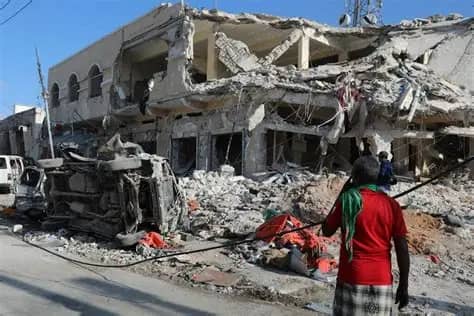
The political discussions are unfolding alongside ongoing security challenges, including threats from the militant group Al-Shabaab, which continues to carry out attacks in parts of the country.
Security analysts note that the transition to the African Union Support and Stabilization Mission in Somalia comes with financial and operational constraints that could affect stabilization efforts if not adequately addressed.
Humanitarian and Governance Pressures
Humanitarian agencies estimate that millions of Somalis may require assistance in 2026 due to displacement, climate shocks, and economic hardship. Governance experts emphasize that strengthening transparency and public trust will be critical to ensuring effective delivery of aid and services.
Transparency International has previously highlighted governance challenges in fragile states, noting that accountability mechanisms play an important role in long-term stability.
Regional Perspectives
Some analysts point to the relative stability of Somaliland as an example of localized governance, though its political status remains internationally unrecognized.
The Port of Berbera’s strategic location near the Bab al-Mandab Strait has also drawn attention to the region’s growing role in Red Sea trade routes.
Path Forward
With the current federal term approaching its conclusion, observers emphasize the importance of dialogue among federal and regional leaders to ensure a credible and inclusive electoral process.
They note that broad consensus on constitutional reforms and security cooperation will be essential to maintaining stability and advancing Somalia’s state-building efforts.
Structural Collapse
Adam Dawood Ahmed, a political and security analyst specializing in Horn of Africa affairs, wrote in the newspaper Addis Standard that “Somalia is no longer merely a fragile state; it is on the brink of structural collapse. The country faces an escalating constitutional crisis, an existential electoral impasse, persistent insurgent threats, and intense external geopolitical competition, forming a grave threat to the state’s survival.”
Electoral Paralysis
Dawood argues that “the core of Somalia’s disintegration lies in a constitutional crisis rooted in the nature of the 2012 provisional constitution. Designed as a temporary framework, its unfinished chapters on federalism have become structural vulnerabilities.”
Disclaimer
Comments expressed here do not reflect the opinions of Vanguard newspapers or any employee thereof.