By Joseph Erunke, Abuja
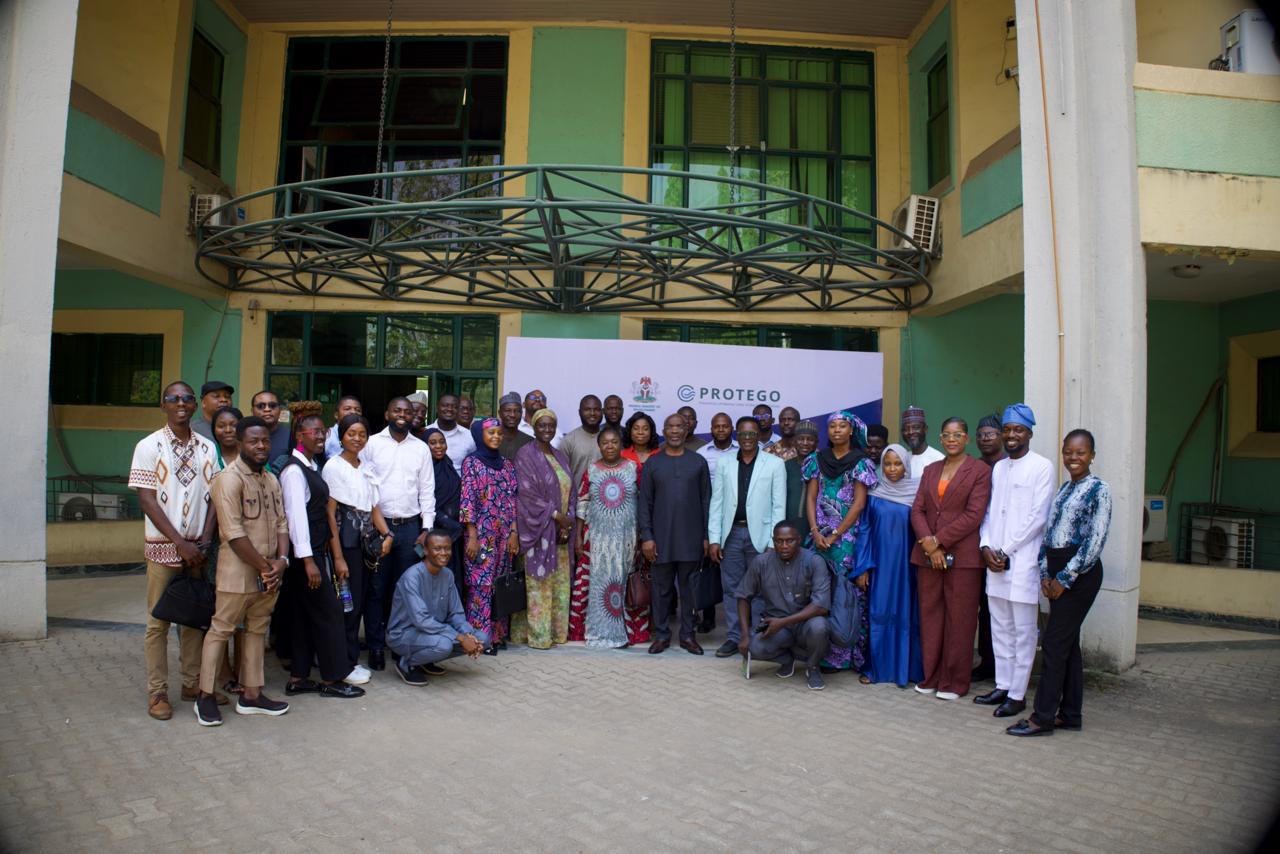
The Federal Ministry of Environment has convened key stakeholders in Abuja to validate a landmark policy brief aimed at tackling marine litter and advancing Nigeria’s transition to a circular economy.
The event was organised in collaboration with PROTEGO (Prevention of Marine Litter in the Gulf of Guinea).
Discussions centred on a draft document titled “Policies, Institutional Set-up and Financing of Marine Litter Prevention in Nigeria,” which seeks to address structural and financing gaps that have long hindered effective waste management, particularly plastic leakage from inland communities into rivers and the Atlantic Ocean.
The initiative is supported by the German Federal Ministry for the Environment, Nature Conservation, Nuclear Safety and Consumer Protection and led by adelphi, with implementation in Nigeria by WASTE Africa and NCIC.
Speaking at the workshop, Falmata Bukar-Kolo, Deputy Director of the Solid Waste Management and Technology Division at the ministry, warned that plastic pollution poses serious risks to aquatic ecosystems and public health. She noted that microplastics have already entered the food chain through fish consumption, while clogged waterways, soil contamination and greenhouse gas emissions from burning plastics are worsening the environmental crisis.
Bukar-Kolo stressed that plastics, though widely used, are non-biodegradable and persist in the environment for years. She called for improved waste management systems, stronger enforcement of environmental regulations and behavioural change among citizens and businesses.
Regional Coordinator of PROTEGO, Clem Ugorji, stressed the urgency of action, saying Nigeria’s marine litter crisis carries environmental, economic and reputational costs.
He expressed optimism that the 2025–2040 roadmap endorsed at the workshop would shift the country from prolonged dialogue to concrete implementation
Disclaimer
Comments expressed here do not reflect the opinions of Vanguard newspapers or any employee thereof.